Department of Bioengineering and Therapeutic Sciences, University of California, San Francisco, San Francisco, United States.
Department of Pharmaceutical Chemistry, University of California, San Francisco, San Francisco, United States.
Elife. 2018 Jan 29;7:e31097. doi: 10.7554/eLife.31097.
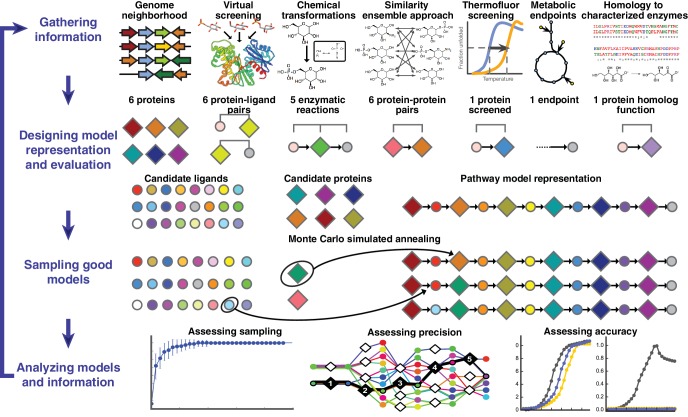
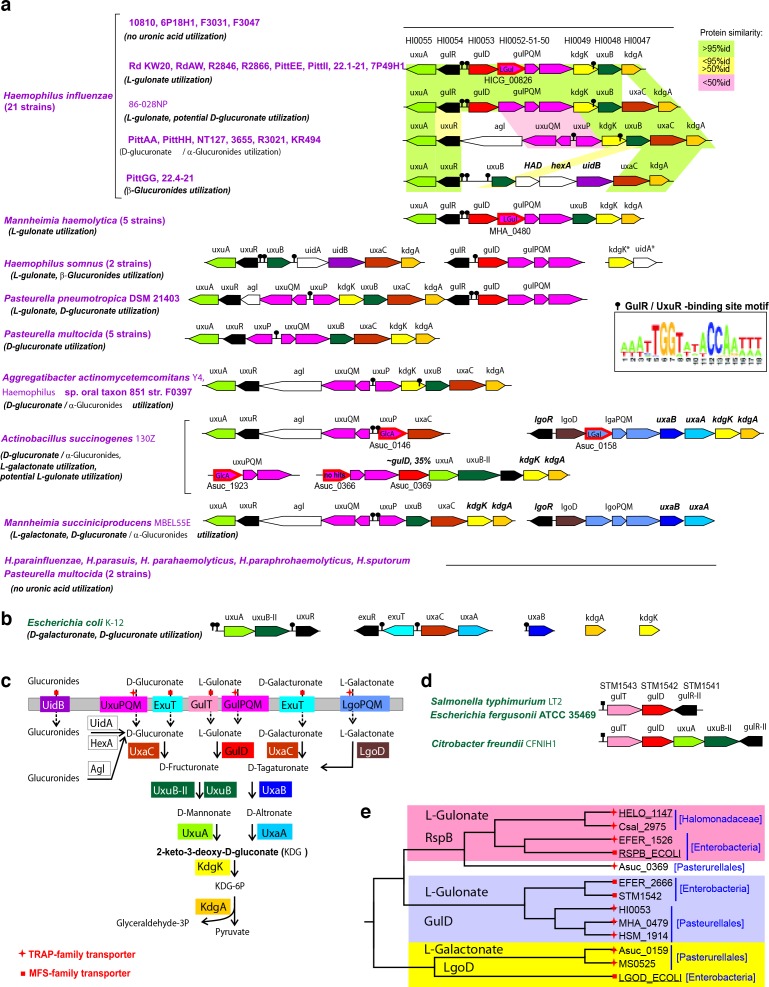
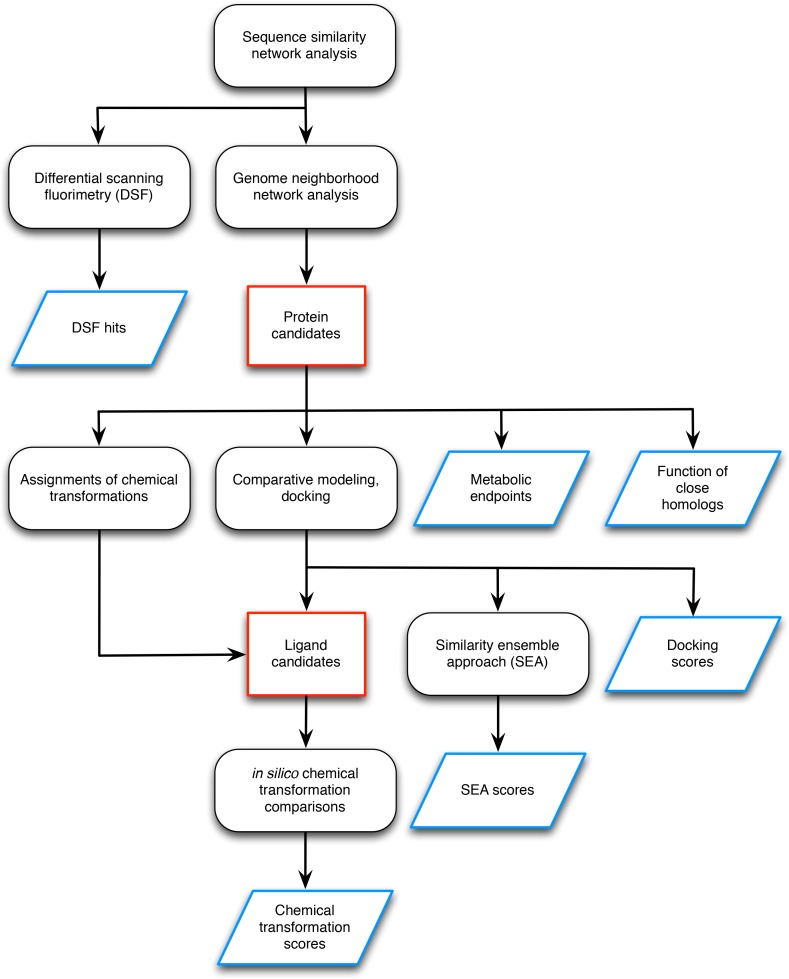
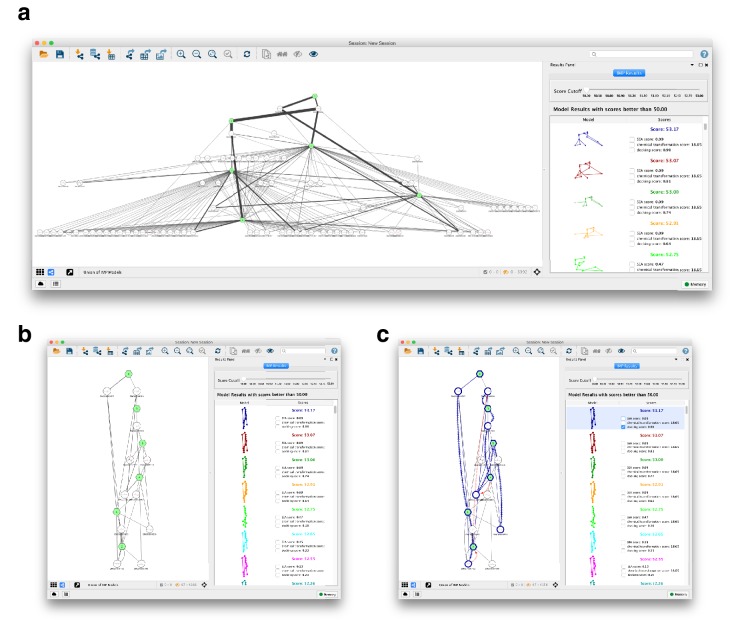
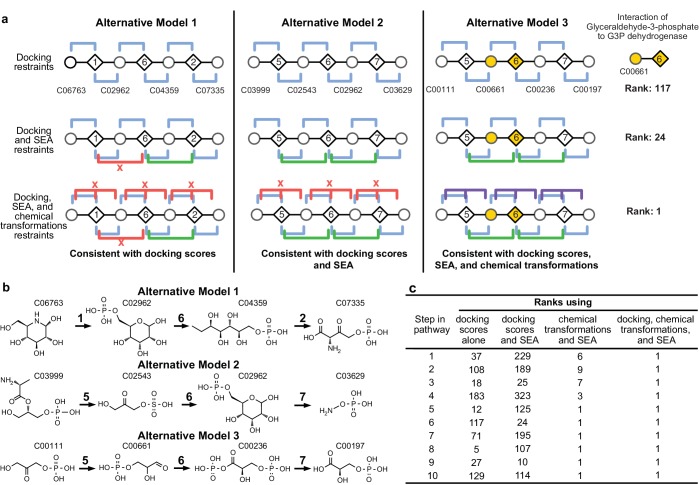
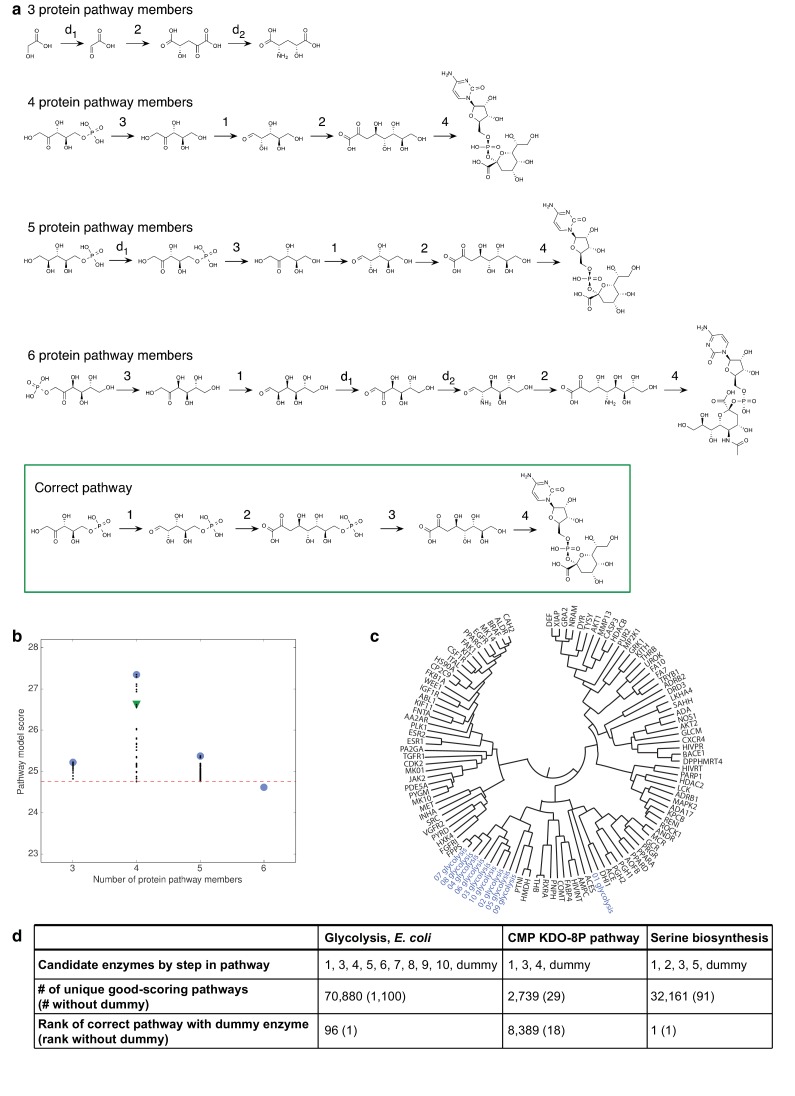
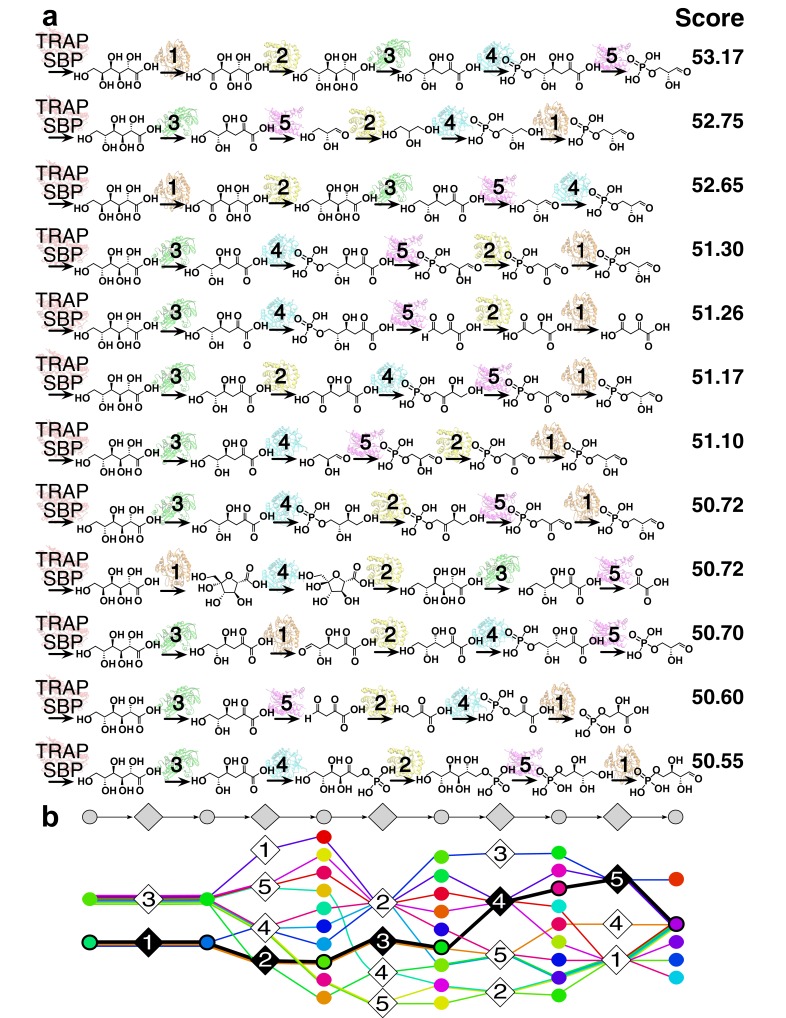
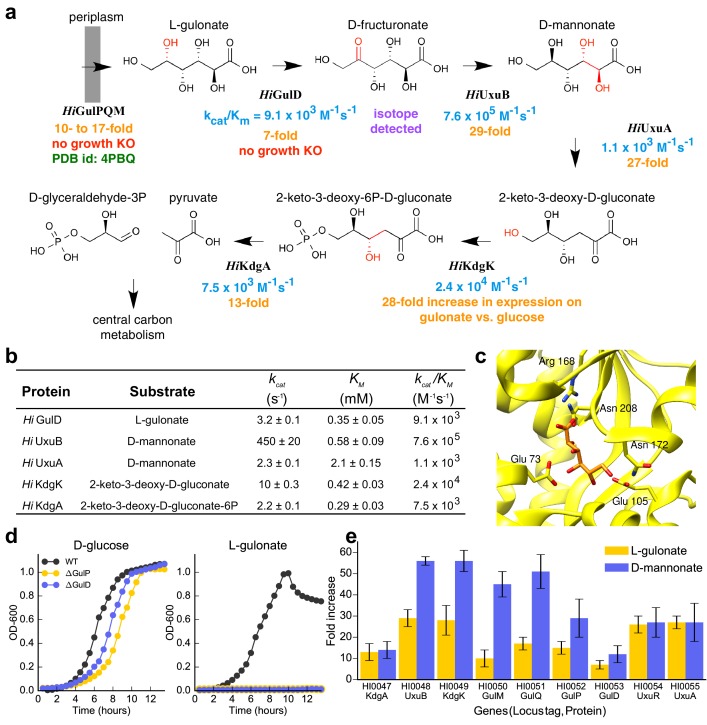
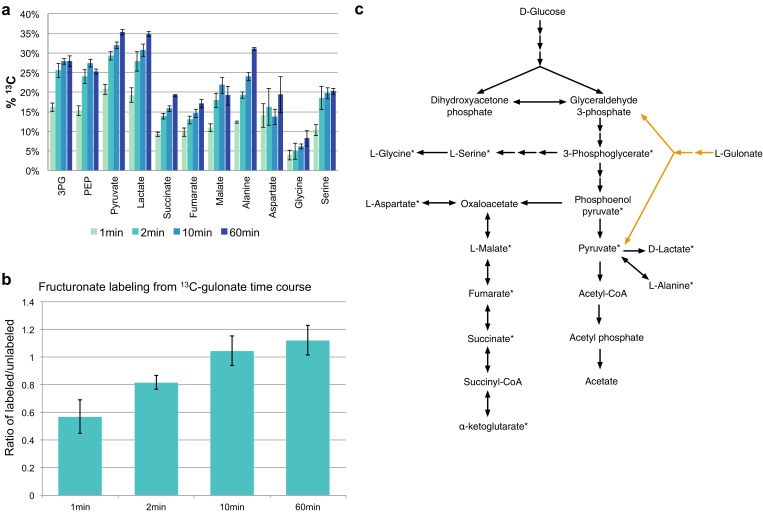
The functions of most proteins are yet to be determined. The function of an enzyme is often defined by its interacting partners, including its substrate and product, and its role in larger metabolic networks. Here, we describe a computational method that predicts the functions of orphan enzymes by organizing them into a linear metabolic pathway. Given candidate enzyme and metabolite pathway members, this aim is achieved by finding those pathways that satisfy structural and network restraints implied by varied input information, including that from virtual screening, chemoinformatics, genomic context analysis, and ligand -binding experiments. We demonstrate this integrative pathway mapping method by predicting the L-gulonate catabolic pathway in Rd KW20. The prediction was subsequently validated experimentally by enzymology, crystallography, and metabolomics. Integrative pathway mapping by satisfaction of structural and network restraints is extensible to molecular networks in general and thus formally bridges the gap between structural biology and systems biology.
大多数蛋白质的功能尚未确定。酶的功能通常通过其相互作用的伙伴来定义,包括其底物和产物,以及它在更大的代谢网络中的作用。在这里,我们描述了一种通过将孤儿酶组织成线性代谢途径来预测它们功能的计算方法。给定候选酶和代谢物途径成员,通过找到满足不同输入信息(包括虚拟筛选、化学生物信息学、基因组背景分析和配体结合实验)所暗示的结构和网络限制的途径来实现这一目标。我们通过预测 Rd KW20 中的 L-古洛糖酸代谢途径来验证这种综合途径映射方法。该预测随后通过酶学、晶体学和代谢组学实验进行了验证。通过满足结构和网络限制的综合途径映射可扩展到一般的分子网络,从而在结构生物学和系统生物学之间架起了正式的桥梁。