Zabicki Bartosz, Limphaibool Nattakarn, Holstad Marte Johanne Veilemand, Juszkat Robert
Department of Diagnostic and Interventional Radiology, Poznan University of Medical Sciences, Poznan, Poland.
PLoS One. 2018 Jan 29;13(1):e0191998. doi: 10.1371/journal.pone.0191998. eCollection 2018.
To present the various techniques used in the management of pancreatitis-related pseudoaneurysms of visceral vessels.
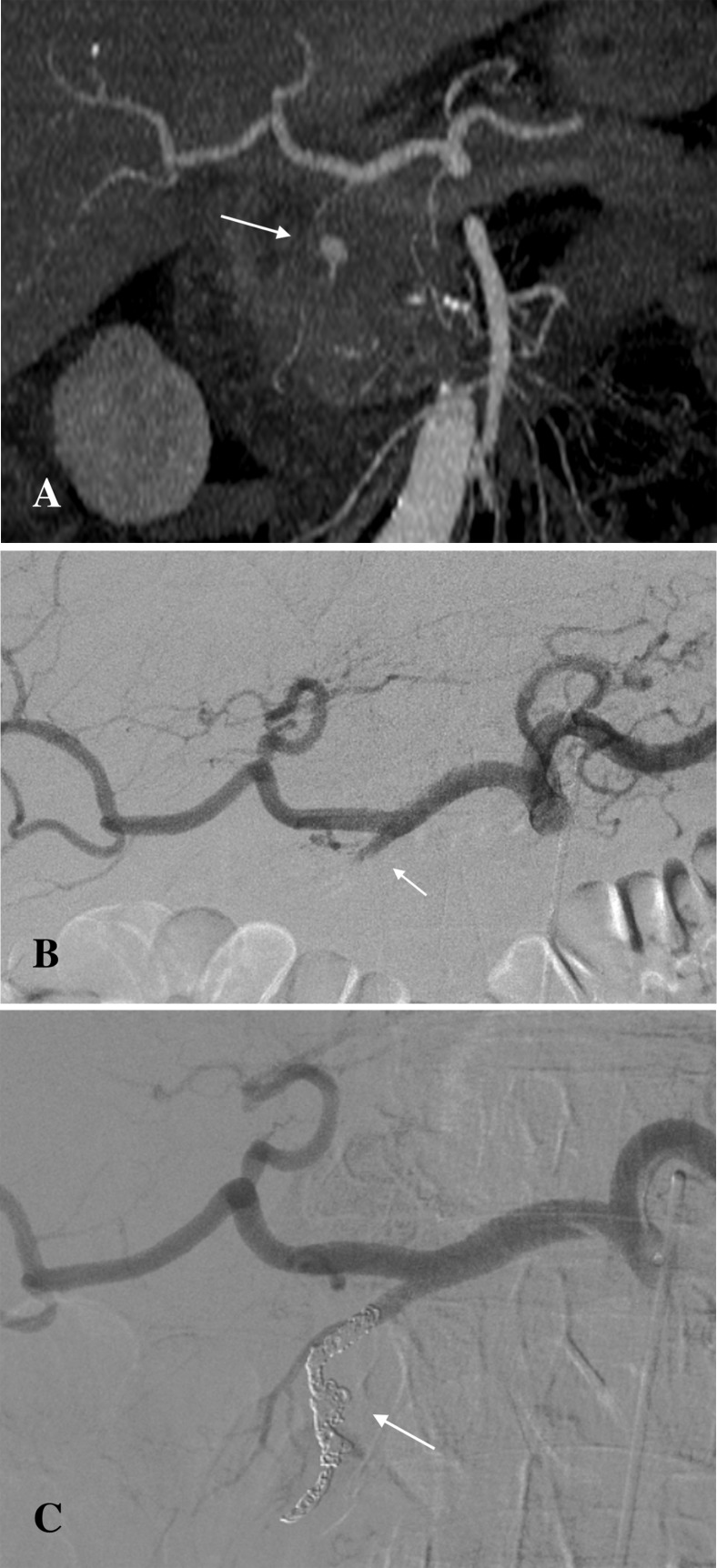
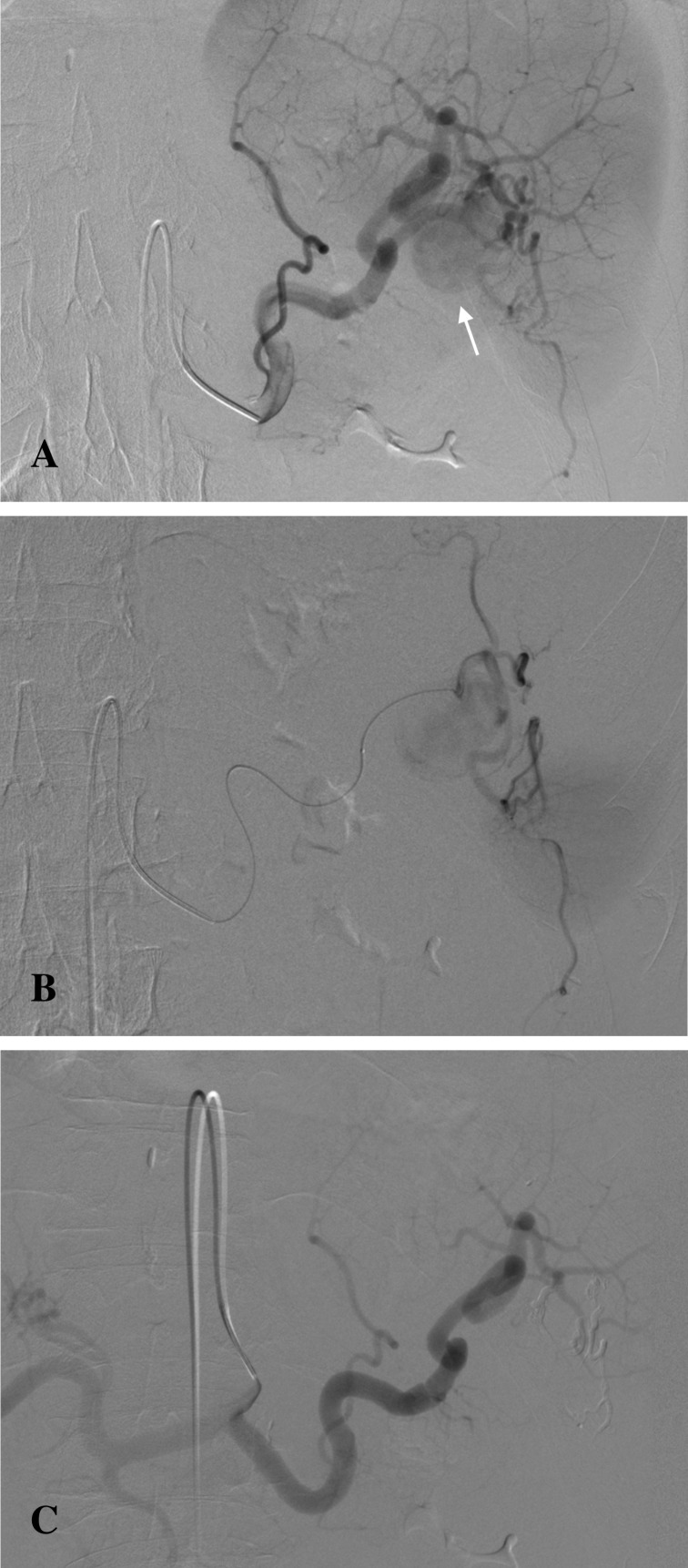
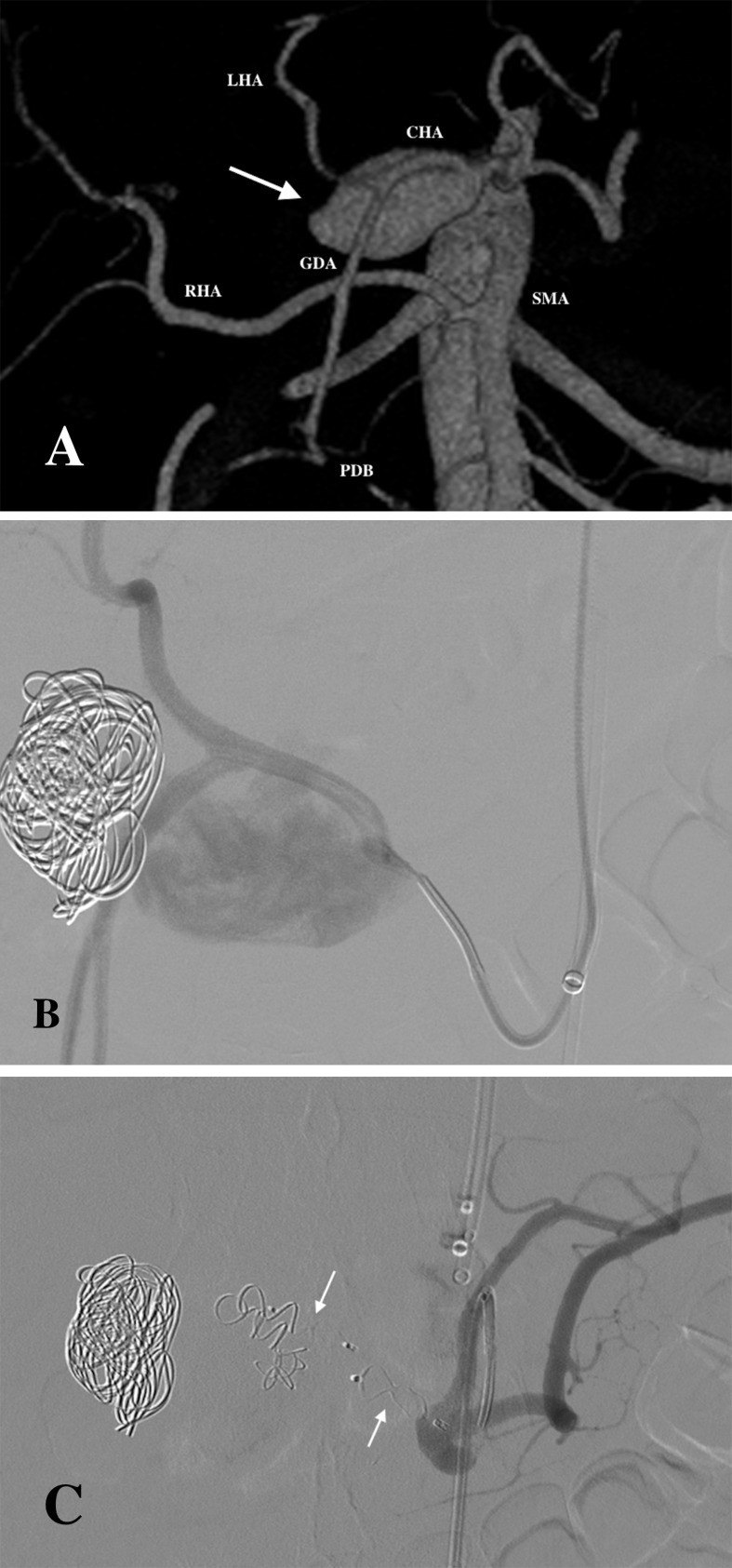
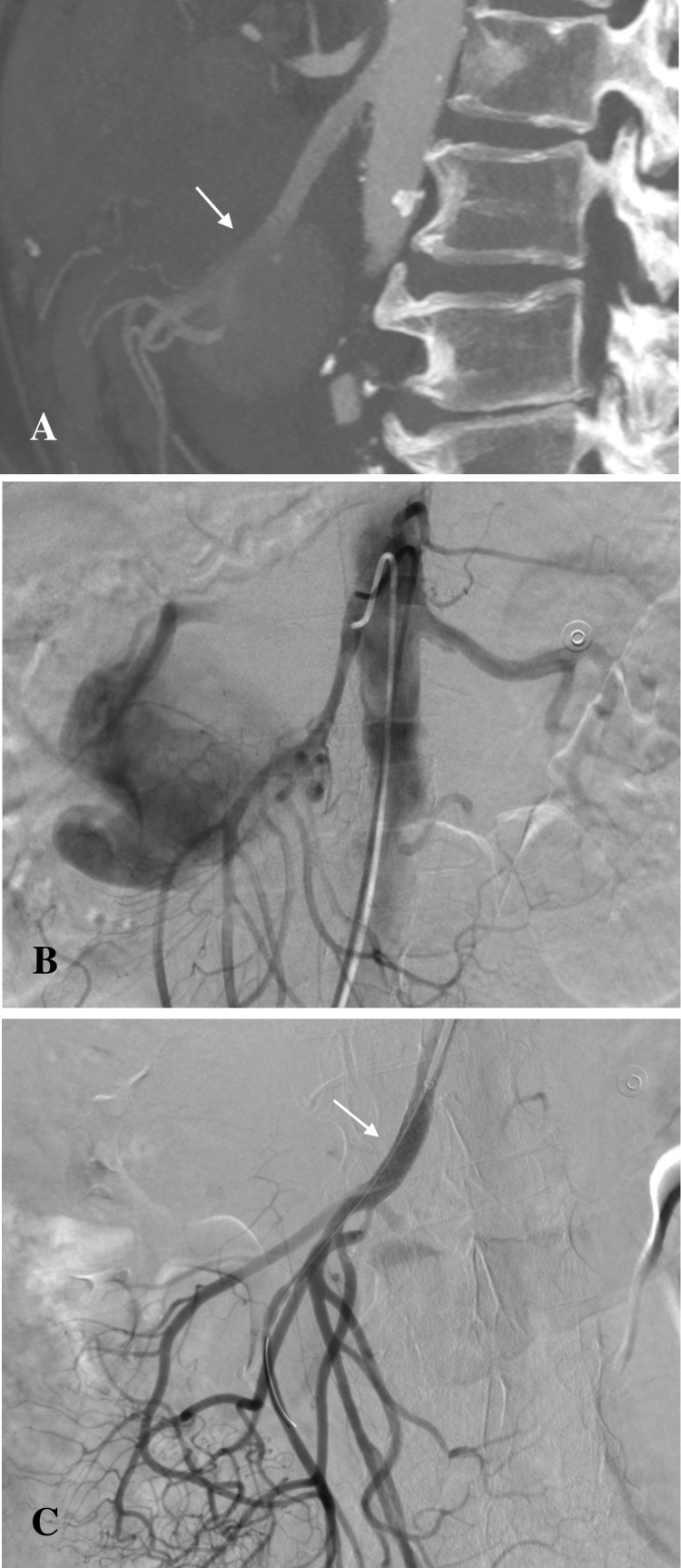
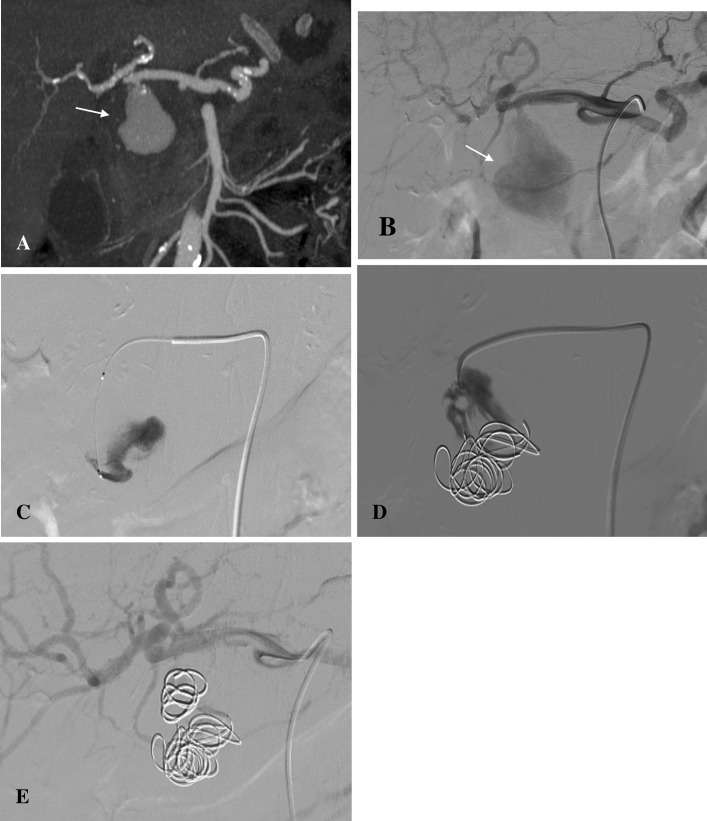
The retrospective clinical study was carried out at the Department of Diagnostic and Interventional Radiology at Poznan University of Medical Sciences from 2011 to 2016. The fifteen patients included in the study were diagnosed with pseudoaneurysms of visceral arteries, as a complication of chronic pancreatitis. The diagnosis was made using contrast-enhanced computed tomography, followed by angiography. On admission, all patients were symptomatic, with varying degrees of abdominal pain. One patient was haemodynamically unstable. Treatments with endovascular techniques were analysed, along with their efficacy and outcomes. Coil embolisation was performed in 5 patients. Stent graft was used in 1 patient. Liquid embolic agents were used in 7 cases, of which 5 patients were treated with thrombin injection and 2 with Squid. A combination of techniques was used in 2 patients.
The most common artery affected by pseudoaneurysm formation was the splenic artery (7/15; 46.7%), and the size of the pseudoaneurysms ranged from 27 mm to 85 mm. Primary technical success was achieved in 14 out of 15 patients (93.3%). One patient required reintervention. Two patients required splenectomy after embolisation due to splenic ischemia. No recanalisation was present at the follow-up computed tomography performed after 1 to 3 weeks, and no mortality was observed within 30 days.
Vascular complications of pancreatitis require accurate diagnosis and immediate treatment. Endovascular intervention is highly effective and is the preferred treatment option. The technique used is determined based on vascular anatomy and the patient's haemodynamic status.
介绍用于处理胰腺炎相关内脏血管假性动脉瘤的各种技术。
2011年至2016年在波兹南医科大学诊断与介入放射科开展了一项回顾性临床研究。纳入研究的15例患者被诊断为内脏动脉假性动脉瘤,为慢性胰腺炎的并发症。诊断采用对比增强计算机断层扫描,随后进行血管造影。入院时,所有患者均有症状,伴有不同程度的腹痛。1例患者血流动力学不稳定。分析了血管内技术的治疗情况及其疗效和结果。5例患者采用弹簧圈栓塞。1例患者使用了覆膜支架。7例使用了液体栓塞剂,其中5例患者采用凝血酶注射治疗,2例采用鱿鱼(栓塞剂)治疗。2例患者采用了联合技术。
受假性动脉瘤形成影响最常见的动脉是脾动脉(7/15;46.7%),假性动脉瘤大小在27毫米至85毫米之间。15例患者中有14例(93.3%)取得了初次技术成功。1例患者需要再次干预。2例患者栓塞后因脾缺血需要行脾切除术。在1至3周后进行的随访计算机断层扫描中未发现再通情况,30天内未观察到死亡病例。
胰腺炎的血管并发症需要准确诊断并立即治疗。血管内介入治疗非常有效,是首选的治疗选择。所采用的技术根据血管解剖结构和患者的血流动力学状态来确定。