Subramani Chitra, Rajakkannu Arivukkodi, Rathinam Arunadevi, Gaidhani Sudesh, Raju Ilavarasan, Kartar Singh Dhiman Vaidya
Department of Biochemistry, Captain Srinivasa Murthy Regional Ayurveda Drug Development Institute, Central Council for Research in Ayurvedic Sciences, M/o AYUSH, Govt. of India, A.A. Hospital Campus, Arumbakkam, Chennai 600106, India.
Department of Pharmacology, Captain Srinivasa Murthy Regional Ayurveda Drug Development Institute, Central Council for Research in Ayurvedic Sciences, M/o AYUSH, Govt. of India, A.A. Hospital Campus, Arumbakkam, Chennai 600106, India.
J Pharm Anal. 2017 Apr;7(2):123-128. doi: 10.1016/j.jpha.2016.12.002. Epub 2016 Dec 30.
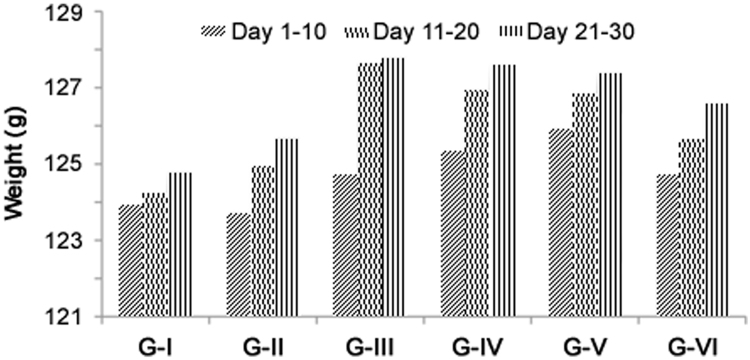
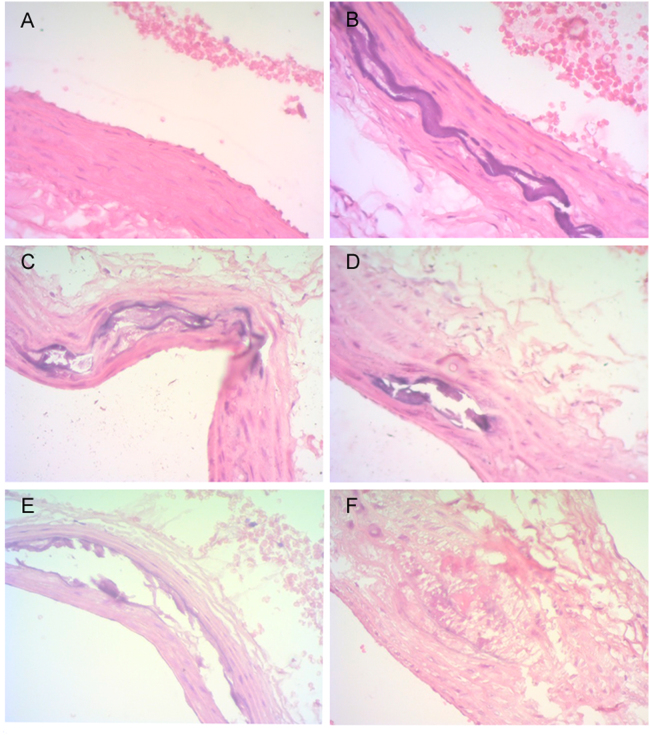
Linn. is a medicinal plant used in "Dhasamula" drug preparation of Ayurvedic systems of medicine in the treatment of various ailments like bronchitis, dyspepsia, liver disorders, piles, constipation, hyperlipidemia and fever. The anti-atherosclerotic activity of hydroalcoholic extract (HAE) of root bark of was evaluated in high fat diet induced atherosclerosis rats. Sixty Wistar rats were divided into six groups: the first group served as control, the second group was fed with high fat diet and the other three groups were fed with high fat diet along with various concentrations of HAE and the last group was treated with atorvastatin for 30 days. Lipid and lipoprotein profile, atherogenic index, and cardiac markers and histopathological evaluation of aorta were determined in high fat diet induced atherosclerosis rats. HAE of produced a significant and dose-dependent anti-atherosclerotic activity in terms of reduction in lipids and lipoprotein profile, atherogenic index, HMG-CoA reductase activity, marker enzymes such as lactate dehydrogenase (LDH), creatine phosphokinase (CPK), aspartate transaminase (AST), alanine transaminase (ALT) and alkaline phosphatase (ALP), alteration in collagen and calcium contents, mild mineralization and focal rupture of intima and media of aorta was noticed in treated groups as compared to the control. The results suggested that anti-atherosclerotic activity of HAE of Linn. was due to its modulatory activity on metabolic pathway of lipid. The results contribute to the validation of the traditional use of Agnimantha in high fat diet induced atherosclerosis rats.
林恩。是一种药用植物,用于阿育吠陀医学体系的“达萨穆拉”药物制剂中,治疗各种疾病,如支气管炎、消化不良、肝脏疾病、痔疮、便秘、高脂血症和发烧。对林恩根皮的水醇提取物(HAE)在高脂饮食诱导的动脉粥样硬化大鼠中的抗动脉粥样硬化活性进行了评估。将60只Wistar大鼠分为六组:第一组作为对照,第二组喂食高脂饮食,其他三组喂食高脂饮食并同时给予不同浓度的HAE,最后一组用阿托伐他汀治疗30天。在高脂饮食诱导的动脉粥样硬化大鼠中测定脂质和脂蛋白谱、动脉粥样硬化指数、心脏标志物以及主动脉的组织病理学评估。林恩的HAE在降低脂质和脂蛋白谱、动脉粥样硬化指数、HMG-CoA还原酶活性、乳酸脱氢酶(LDH)、肌酸磷酸激酶(CPK)、天冬氨酸转氨酶(AST)、丙氨酸转氨酶(ALT)和碱性磷酸酶(ALP)等标志物酶方面产生了显著的剂量依赖性抗动脉粥样硬化活性,与对照组相比,治疗组的主动脉内膜和中膜的胶原蛋白和钙含量发生改变、轻度矿化和局灶性破裂。结果表明,林恩的HAE的抗动脉粥样硬化活性归因于其对脂质代谢途径的调节活性。这些结果有助于验证阿尼曼塔在高脂饮食诱导的动脉粥样硬化大鼠中的传统用途。