Biomechanics Section, KU Leuven, Celestijnenlaan 300C, PB 2419, 3000 Leuven, Belgium and Biomechanics Research Unit, University of Liège, Chemin des Chevreuils 1 - BAT 52/3, 4000, Liège 1, Belgium.
Prometheus, Division of Skeletal Tissue Engineering, KU Leuven, O&N 1, Herestraat 49, PB 813, 3000, Leuven, Belgium.
Sci Rep. 2018 Feb 6;8(1):2465. doi: 10.1038/s41598-018-20737-y.
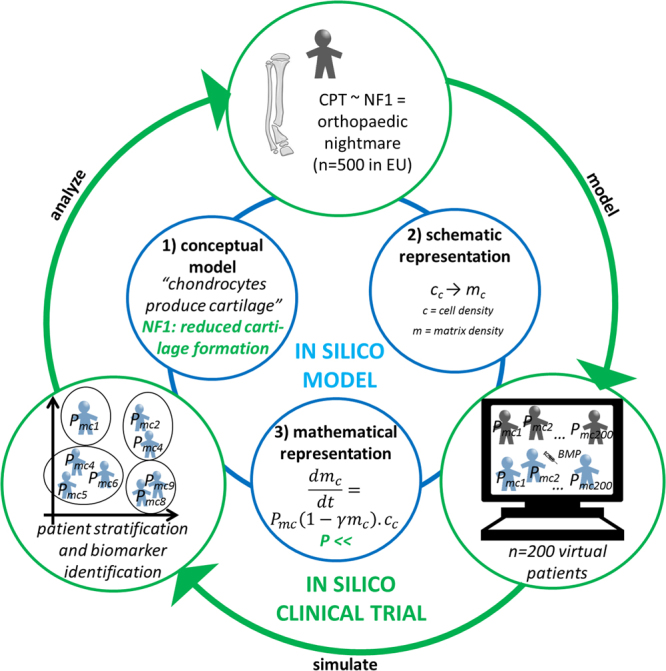
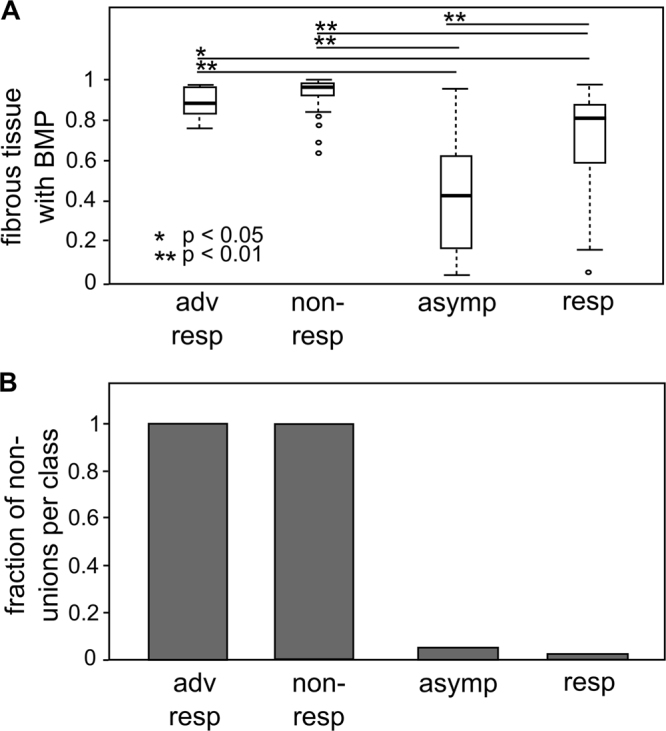
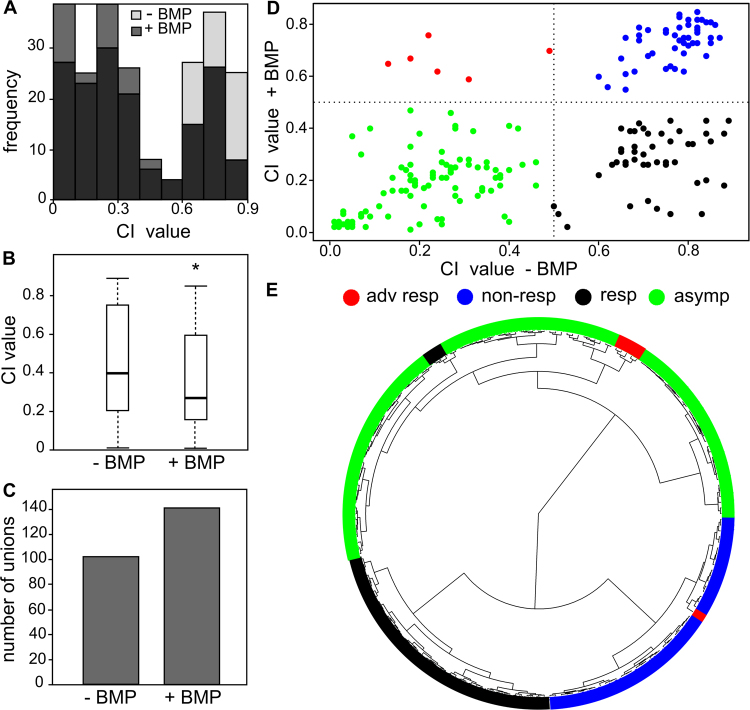
To date poor treatment options are available for patients with congenital pseudarthrosis of the tibia (CPT), a pediatric orphan disease. In this study we have performed an in silico clinical trial on 200 virtual subjects, generated from a previously established model of murine bone regeneration, to tackle the challenges associated with the small, pediatric patient population. Each virtual subject was simulated to receive no treatment and bone morphogenetic protein (BMP) treatment. We have shown that the degree of severity of CPT is significantly reduced with BMP treatment, although the effect is highly subject-specific. Using machine learning techniques we were also able to stratify the virtual subject population in adverse responders, non-responders, responders and asymptomatic. In summary, this study shows the potential of in silico medicine technologies as well as their implications for other orphan diseases.
迄今为止,患有先天性胫骨假关节(CPT)的患者(儿科罕见病)可选择的治疗方法有限。在这项研究中,我们在 200 个虚拟对象上进行了一项计算机临床试验,这些虚拟对象是根据之前建立的小鼠骨再生模型生成的,以解决与小患者人群相关的挑战。每个虚拟对象都被模拟为不接受治疗和骨形态发生蛋白(BMP)治疗。我们已经表明,BMP 治疗可显著降低 CPT 的严重程度,尽管效果高度因人而异。我们还使用机器学习技术将虚拟对象人群分为不良反应者、无反应者、有反应者和无症状者。总之,这项研究表明了计算机医学技术的潜力,以及它们对其他罕见病的影响。