Eichenberger Ramon M, Talukder Md Hasanuzzaman, Field Matthew A, Wangchuk Phurpa, Giacomin Paul, Loukas Alex, Sotillo Javier
Centre for Biodiscovery and Molecular Development of Therapeutics, Australian Institute of Tropical Health and Medicine, James Cook University, Cairns, QLD, Australia.
Faculty of Veterinary Sciences, Bangladesh Agricultural University, Mymensingh, Bangladesh.
J Extracell Vesicles. 2018 Jan 21;7(1):1428004. doi: 10.1080/20013078.2018.1428004. eCollection 2018.
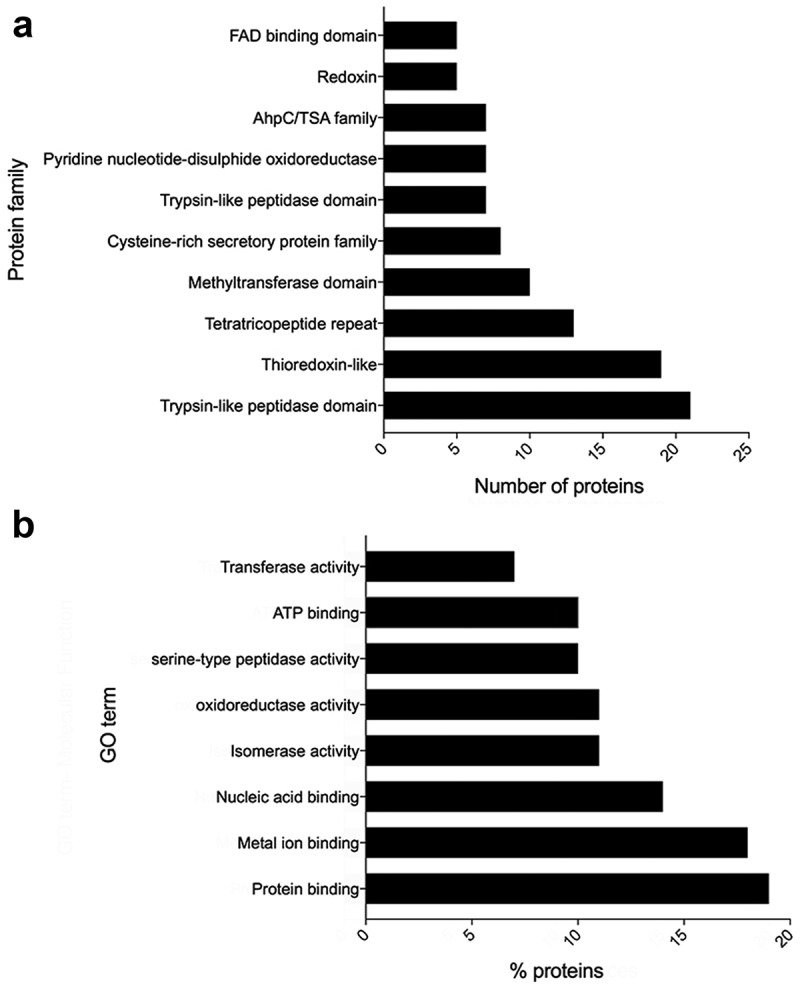
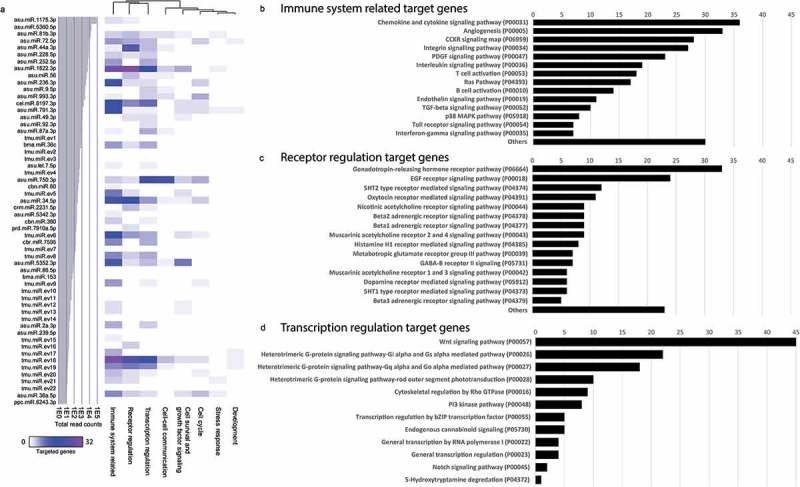
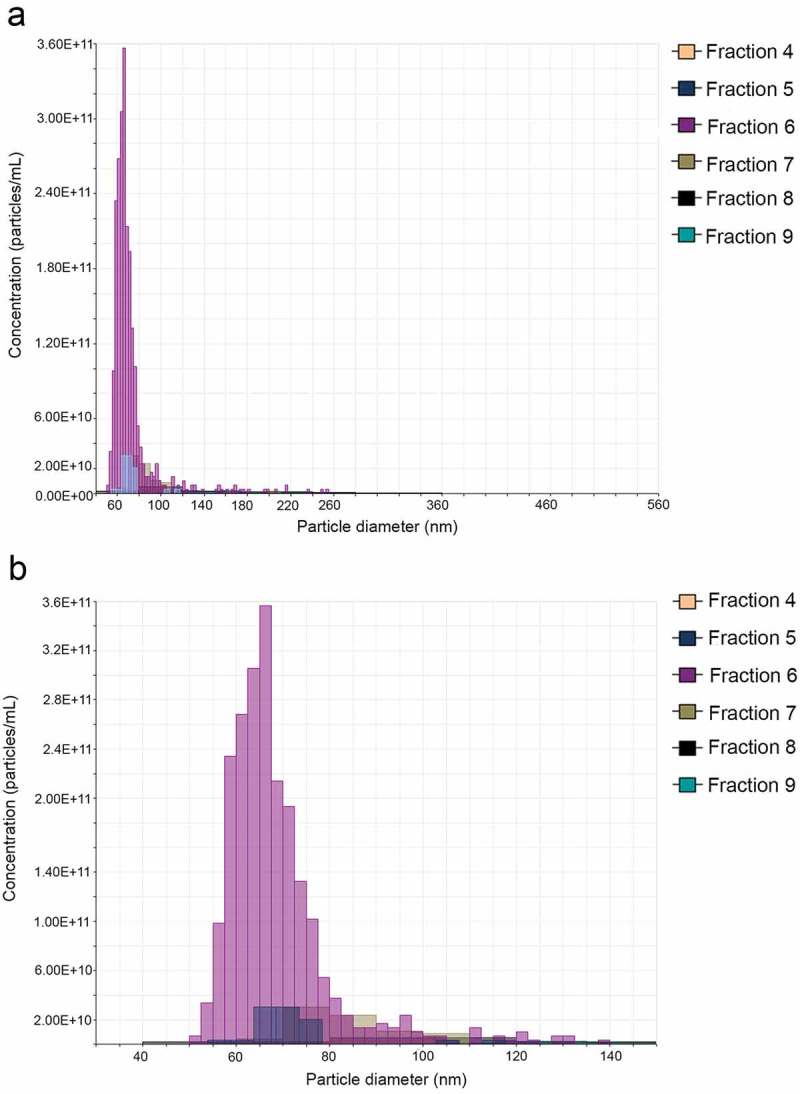
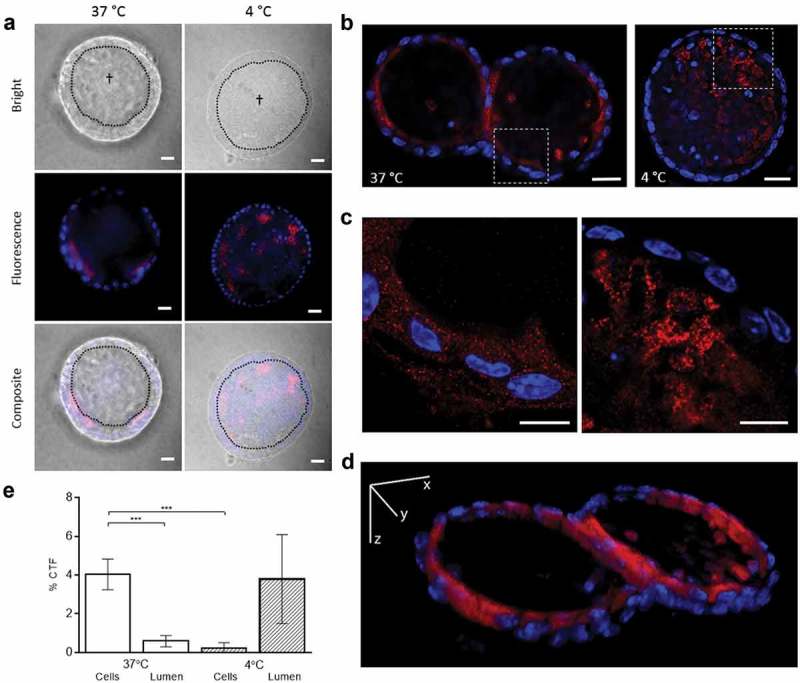
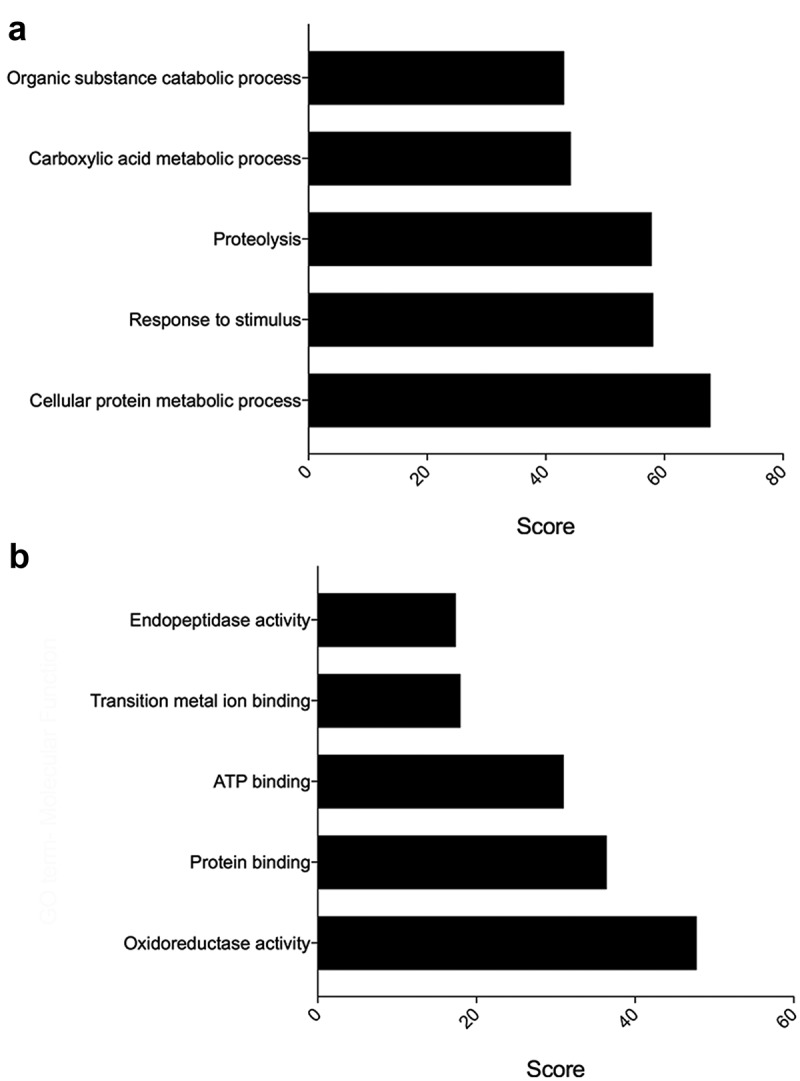
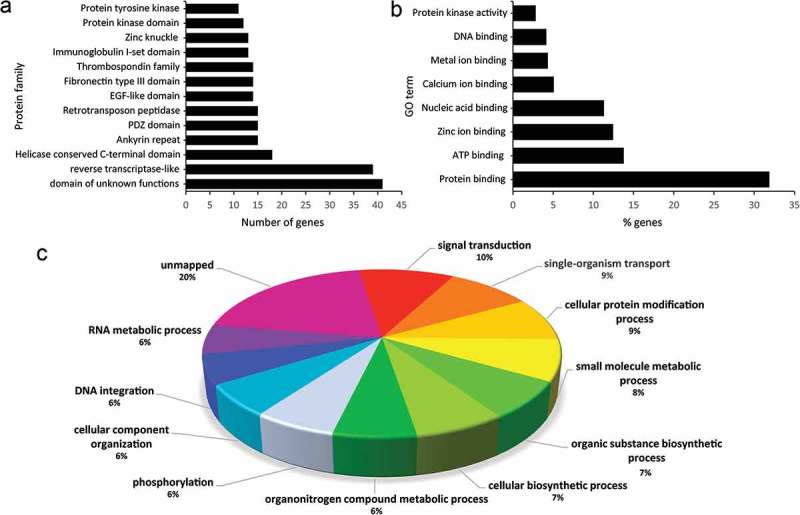
Whipworms are parasitic nematodes that live in the gut of more than 500 million people worldwide. Owing to the difficulty in obtaining parasite material, the mouse whipworm has been extensively used as a model to study human whipworm infections. These nematodes secrete a multitude of compounds that interact with host tissues where they orchestrate a parasitic existence. Herein we provide the first comprehensive characterization of the excretory/secretory products of . We identify 148 proteins secreted by and show for the first time that the mouse whipworm secretes exosome-like extracellular vesicles (EVs) that can interact with host cells. We use an Optiprep® gradient to purify the EVs, highlighting the suitability of this method for purifying EVs secreted by a parasitic nematode. We also characterize the proteomic and genomic content of the EVs, identifying >350 proteins, 56 miRNAs (22 novel) and 475 full-length mRNA transcripts mapping to gene models. Many of the miRNAs putatively mapped to mouse genes are involved in regulation of inflammation, implying a role in parasite-driven immunomodulation. In addition, for the first time to our knowledge, colonic organoids have been used to demonstrate the internalization of parasite EVs by host cells. Understanding how parasites interact with their host is crucial to develop new control measures. This first characterization of the proteins and EVs secreted by provides important information on whipworm-host communication and forms the basis for future studies.
鞭虫是寄生性线虫,全球有超过5亿人的肠道中有其寄生。由于获取寄生虫材料存在困难,小鼠鞭虫已被广泛用作研究人类鞭虫感染的模型。这些线虫分泌多种化合物,与宿主组织相互作用,从而维持其寄生生活。在此,我们首次对[未提及具体名称的某种鞭虫]的排泄/分泌产物进行了全面表征。我们鉴定出[未提及具体名称的某种鞭虫]分泌的148种蛋白质,并首次表明小鼠鞭虫分泌可与宿主细胞相互作用的外泌体样细胞外囊泡(EVs)。我们使用Optiprep®梯度法纯化EVs,凸显了该方法对于纯化寄生性线虫分泌的EVs的适用性。我们还对EVs的蛋白质组和基因组内容进行了表征,鉴定出超过350种蛋白质、56种microRNA(22种为新发现)以及475条全长mRNA转录本,这些转录本对应于[未提及具体名称的某种基因]模型。许多推测映射到小鼠基因的microRNA参与炎症调节,这意味着它们在寄生虫驱动的免疫调节中发挥作用。此外,据我们所知,首次使用结肠类器官来证明宿主细胞对寄生虫EVs的内化。了解寄生虫如何与宿主相互作用对于开发新的控制措施至关重要。对[未提及具体名称的某种鞭虫]分泌的蛋白质和EVs的首次表征为鞭虫与宿主的交流提供了重要信息,并为未来的研究奠定了基础。