Oncology, Georgetown University, Washington, DC 20057, USA.
Department of Clinical Laboratory Sciences, College of Applied Medical Sciences, King Khalid University, Abha, 61413, Saudi Arabia.
Dis Model Mech. 2018 Jan 29;11(1):dmm031716. doi: 10.1242/dmm.031716.
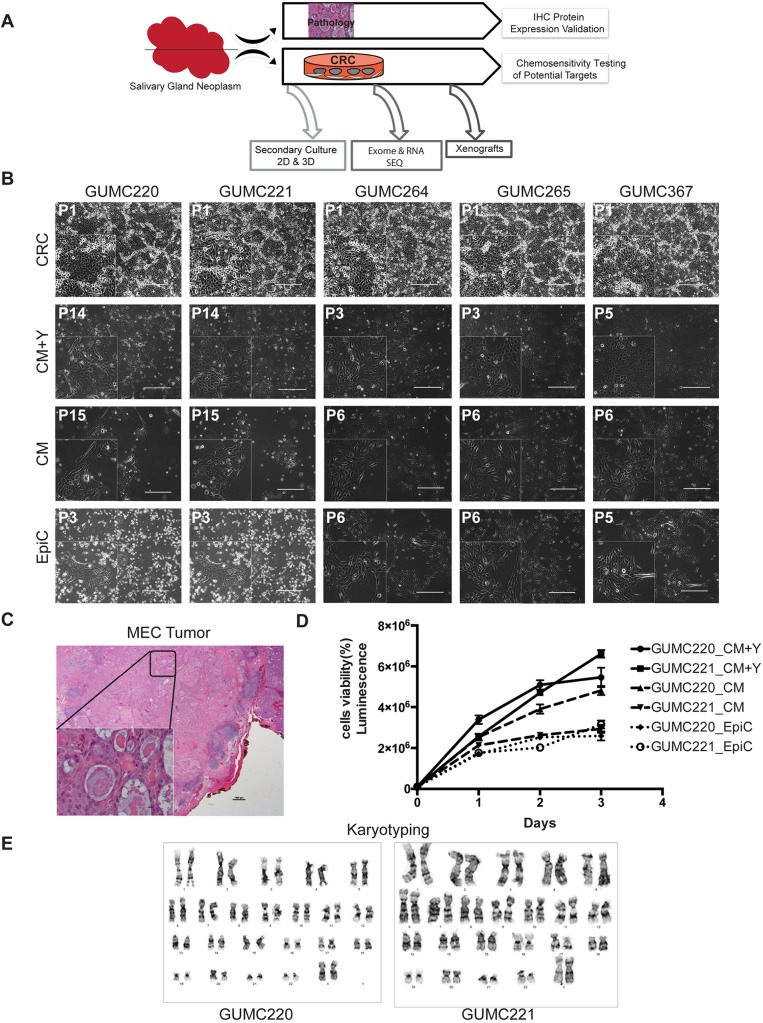
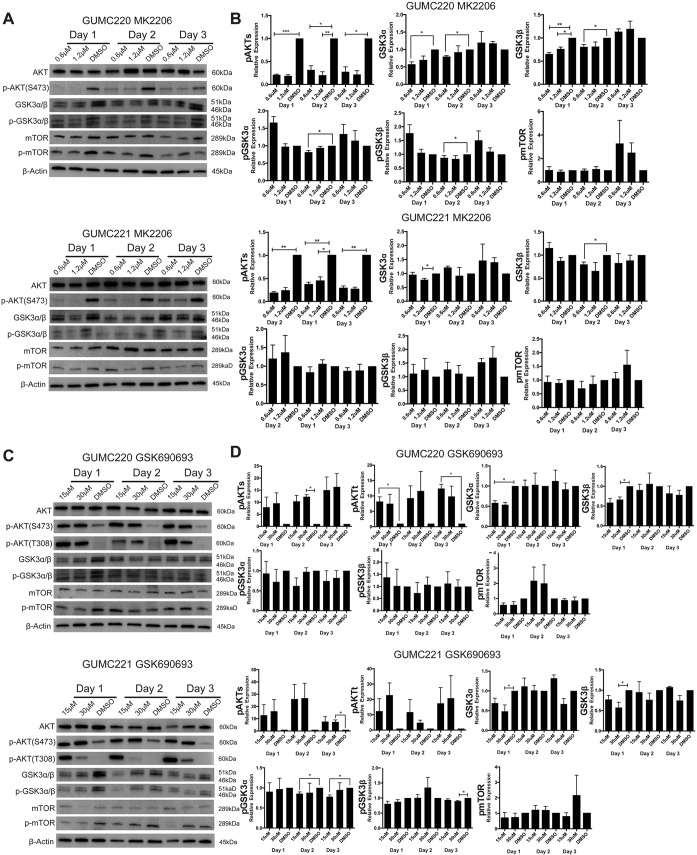
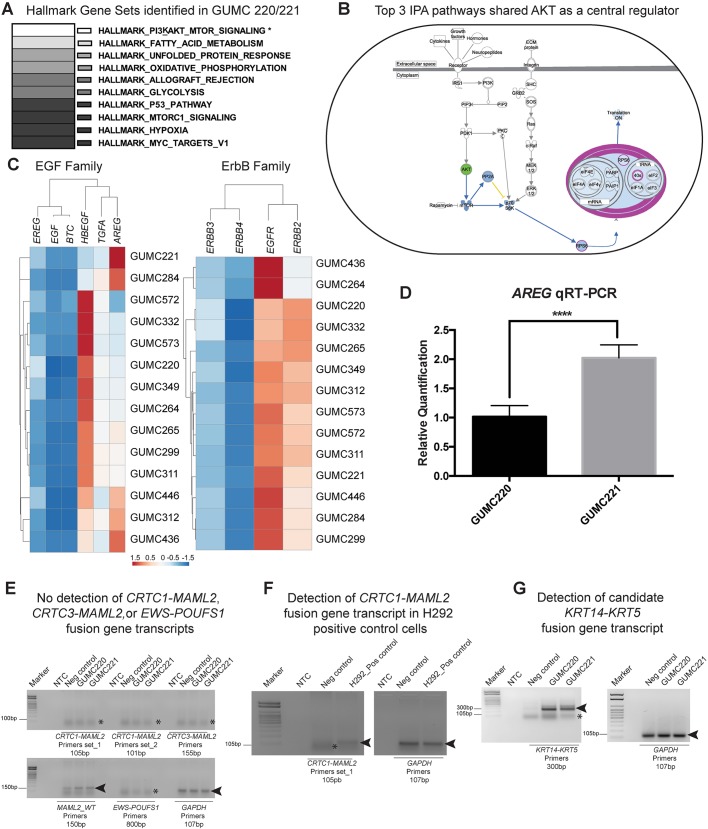
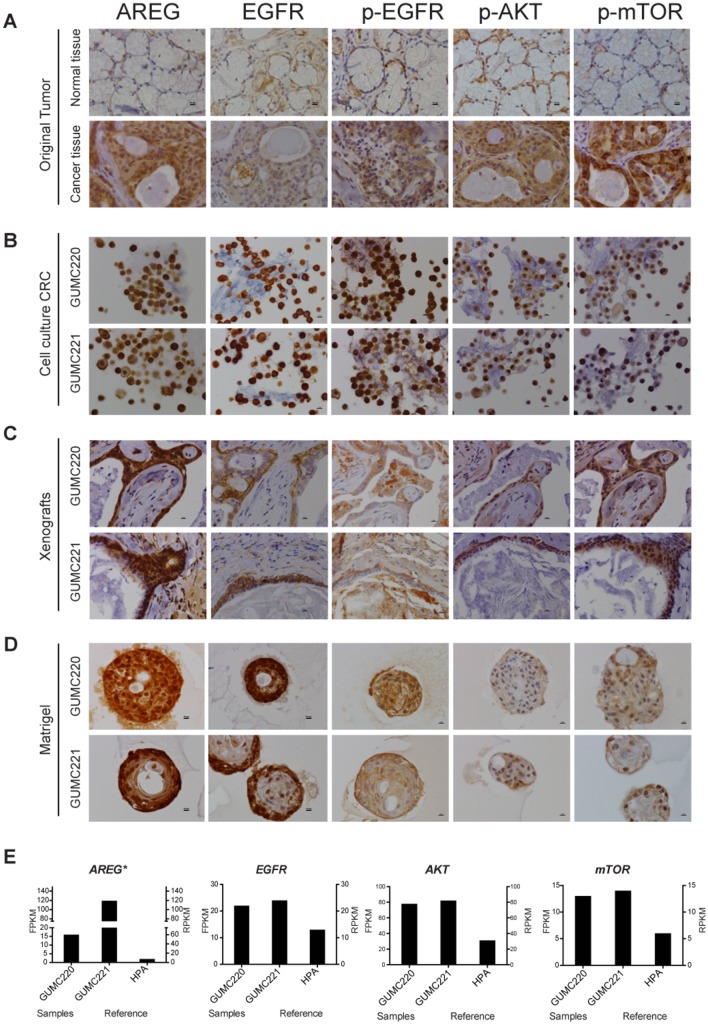
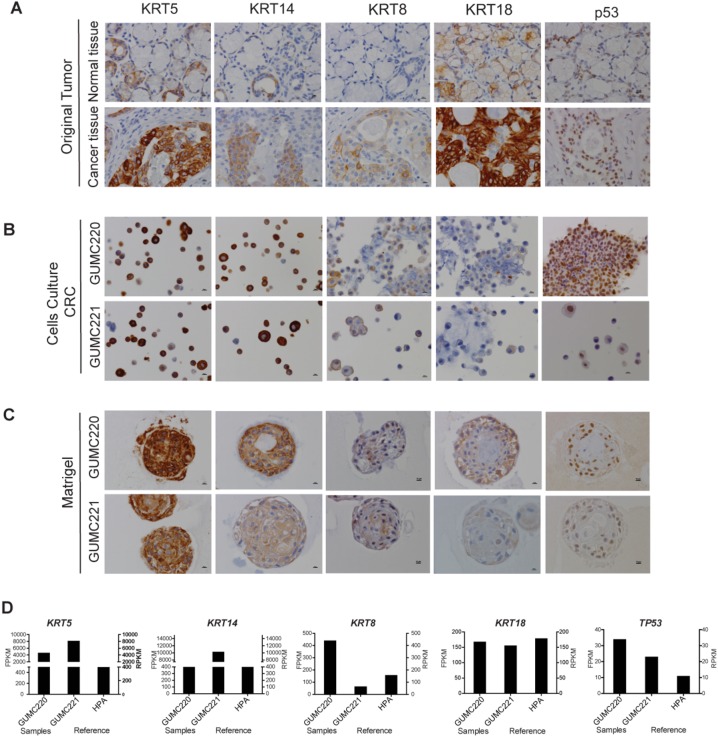
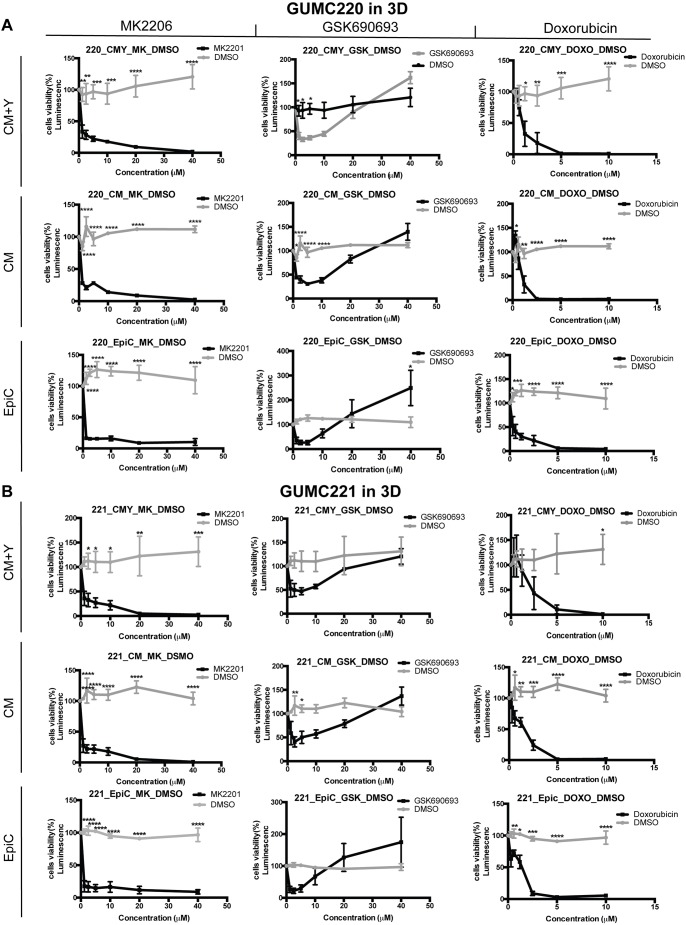
Restricted availability of cell and animal models is a rate-limiting step for investigation of salivary gland neoplasm pathophysiology and therapeutic response. Conditionally reprogrammed cell (CRC) technology enables establishment of primary epithelial cell cultures from patient material. This study tested a translational workflow for acquisition, expansion and testing of CRC-derived primary cultures of salivary gland neoplasms from patients presenting to an academic surgical practice. Results showed that cultured cells were sufficient for epithelial cell-specific transcriptome characterization to detect candidate therapeutic pathways and fusion genes, and for screening for cancer risk-associated single nucleotide polymorphisms (SNPs) and driver gene mutations through exome sequencing. Focused study of primary cultures of a low-grade mucoepidermoid carcinoma demonstrated amphiregulin-mechanistic target of rapamycin-protein kinase B (AKT; AKT1) pathway activation, identified through bioinformatics and subsequently confirmed as present in primary tissue and preserved through different secondary 2D and 3D culture media and xenografts. Candidate therapeutic testing showed that the allosteric AKT inhibitor MK2206 reproducibly inhibited cell survival across different culture formats. By contrast, the cells appeared resistant to the adenosine triphosphate competitive AKT inhibitor GSK690693. Procedures employed here illustrate an approach for reproducibly obtaining material for pathophysiological studies of salivary gland neoplasms, and other less common epithelial cancer types, that can be executed without compromising pathological examination of patient specimens. The approach permits combined genetic and cell-based physiological and therapeutic investigations in addition to more traditional pathologic studies, and can be used to build sustainable bio-banks for future inquiries.This article has an associated First Person interview with the first author of the paper.
唾液腺肿瘤发生机制和治疗反应的研究受到细胞和动物模型资源有限的限制。条件重编程细胞(CRC)技术可从患者标本中建立原发性上皮细胞培养物。本研究测试了一种从学术外科实践中就诊的患者唾液腺肿瘤中获取、扩增和测试 CRC 衍生的原发性培养物的转化工作流程。结果表明,培养的细胞足以进行上皮细胞特异性转录组特征分析,以检测候选治疗途径和融合基因,并通过外显子组测序筛选癌症风险相关的单核苷酸多态性(SNP)和驱动基因突变。对低级别黏液表皮样癌的原发性培养物进行的重点研究表明,通过生物信息学鉴定并随后在原发性组织中证实存在并通过不同的二级 2D 和 3D 培养基和异种移植物保存的 Amphiregulin-雷帕霉素靶蛋白激酶 B(AKT;AKT1)通路激活。候选治疗测试表明,变构 AKT 抑制剂 MK2206 在不同培养体系中可重复抑制细胞存活。相比之下,细胞似乎对三磷酸腺苷竞争 AKT 抑制剂 GSK690693 有抗性。此处采用的程序说明了一种可重复性地获得唾液腺肿瘤和其他罕见上皮癌类型发生机制研究材料的方法,而不会影响患者标本的病理检查。该方法允许进行遗传和基于细胞的生理和治疗联合研究,以及更传统的病理研究,并可用于建立未来研究的可持续生物库。本文有该论文第一作者的相关第一人称采访。