Pusterla N, Vin R, Leutenegger C M, Mittel L D, Divers T J
Department of Medicine and Epidemiology, School of Veterinary Medicine, University of California, Davis, CA 95616, USA.
Myhre Equine Clinic, Rochester, NH 03867, USA.
Vet J. 2018 Jan;231:13-18. doi: 10.1016/j.tvjl.2017.11.004. Epub 2017 Nov 20.
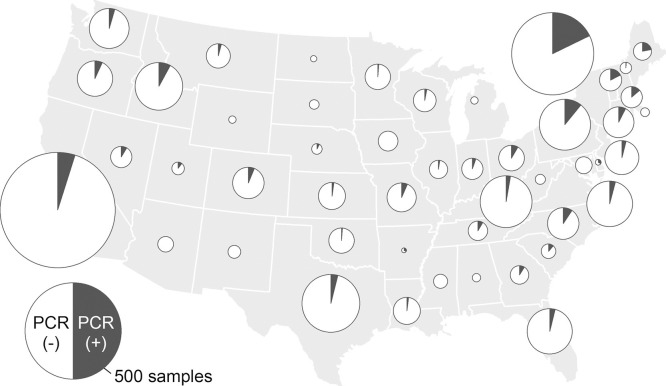
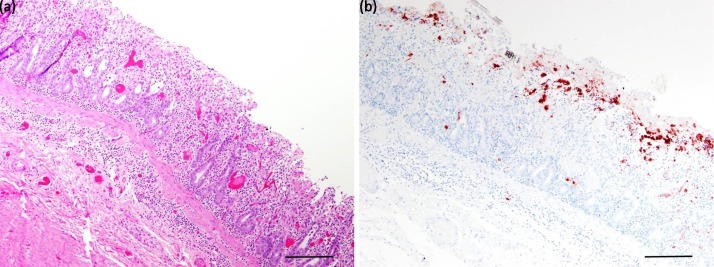
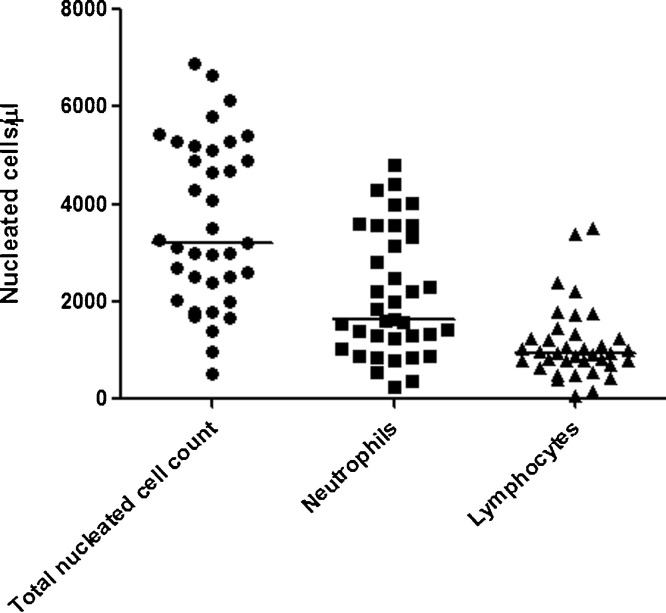
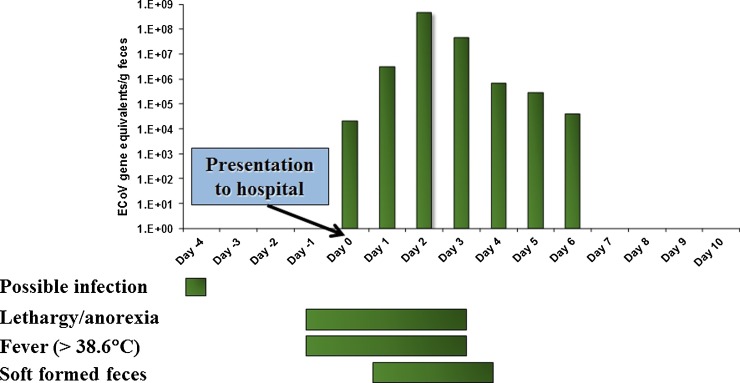
A new enteric virus of adult horses, equine coronavirus (ECoV), has recently been recognized. It is associated with fever, lethargy, anorexia, and less frequently, colic and diarrhea. This enteric virus is transmitted via the feco-oral route and horses become infected by ingesting fecally contaminated feed and water. Various outbreaks have been reported since 2010 from Japan, Europe and the USA. While the clinical signs are fairly non-specific, lymphopenia and neutropenia are often seen. Specific diagnosis is made by the detection of ECoV in feces by either quantitative real-time PCR, electron microscopy or antigen-capture ELISA. Supportive treatment is usually required, as most infections are self-limiting. However, rare complications, such as endotoxemia, septicemia and hyperammonemia-associated encephalopathy, have been reported, and have been related to the loss of barrier function at the intestinal mucosa. This review article will focus on the latest information pertaining to the virus, epidemiology, clinical signs, diagnosis, pathology, treatment and prevention of ECoV infection in adult horses.
一种新发现的成年马肠道病毒——马冠状病毒(ECoV),最近已被确认。它与发热、嗜睡、厌食有关,较少情况下还会引发绞痛和腹泻。这种肠道病毒通过粪口途径传播,马匹因摄入受粪便污染的饲料和水而感染。自2010年以来,日本、欧洲和美国均有各种疫情报告。虽然临床症状相当不具特异性,但淋巴细胞减少和中性粒细胞减少较为常见。通过定量实时PCR、电子显微镜或抗原捕获ELISA检测粪便中的ECoV进行特异性诊断。由于大多数感染具有自限性,通常需要支持性治疗。然而,已报告了罕见的并发症,如内毒素血症、败血症和高氨血症相关脑病,这些与肠黏膜屏障功能丧失有关。这篇综述文章将重点关注与成年马ECoV感染的病毒、流行病学、临床症状、诊断、病理学、治疗和预防相关的最新信息。