Institute of Microbiology, University Hospital of Lausanne, Institute of Microbiology, Lausanne, Switzerland.
Becton Dickinson Kiestra, Le Pont-de-Claix, France.
Biomed J. 2017 Dec;40(6):317-328. doi: 10.1016/j.bj.2017.09.001. Epub 2017 Dec 26.
Automation in microbiology laboratories impacts management, workflow, productivity and quality. Further improvements will be driven by the development of intelligent image analysis allowing automated detection of microbial growth, release of sterile samples, identification and quantification of bacterial colonies and reading of AST disk diffusion assays. We investigated the potential benefit of intelligent imaging analysis by developing algorithms allowing automated detection, semi-quantification and identification of bacterial colonies.
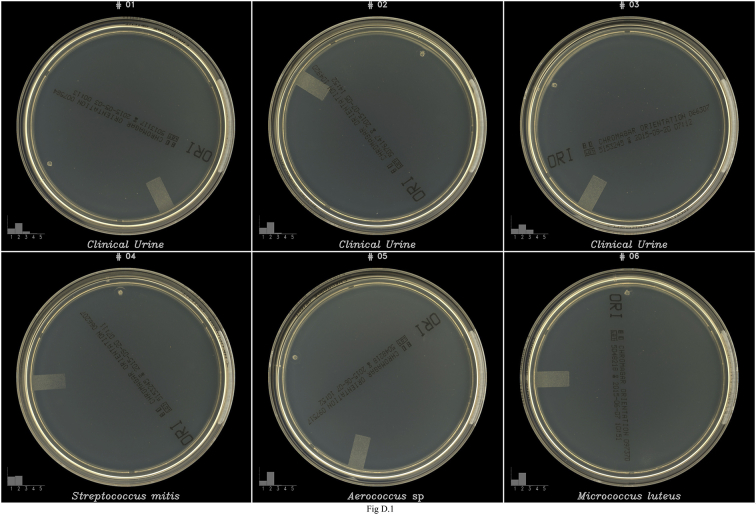
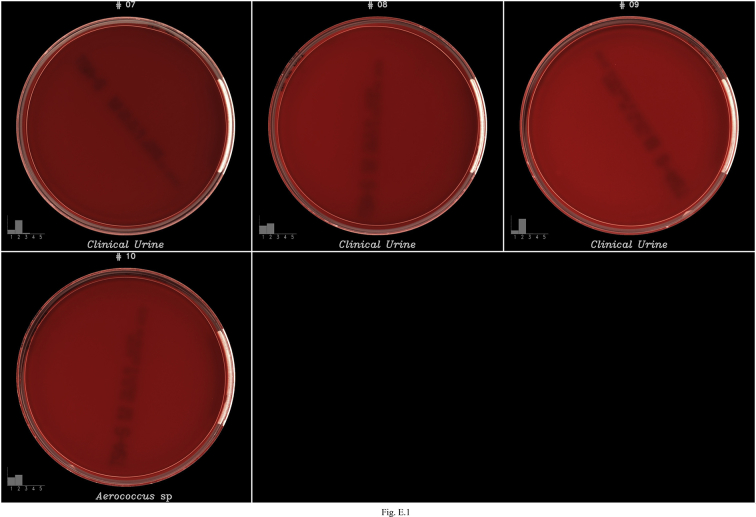
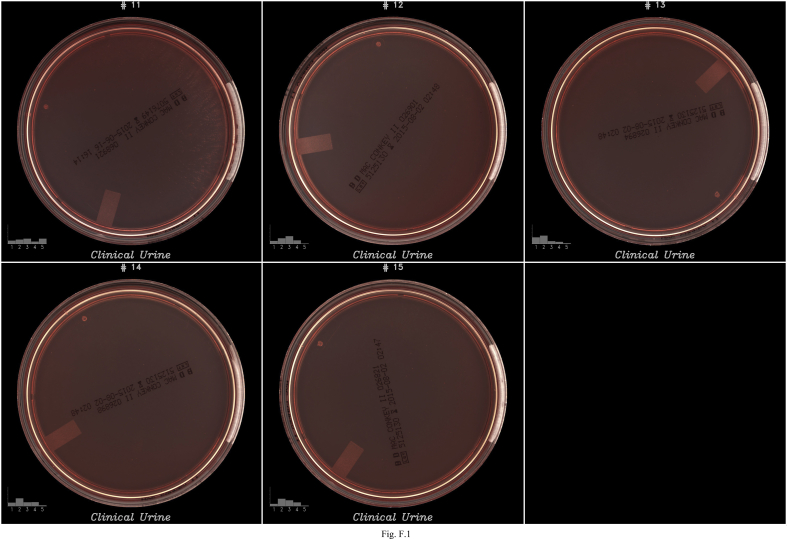
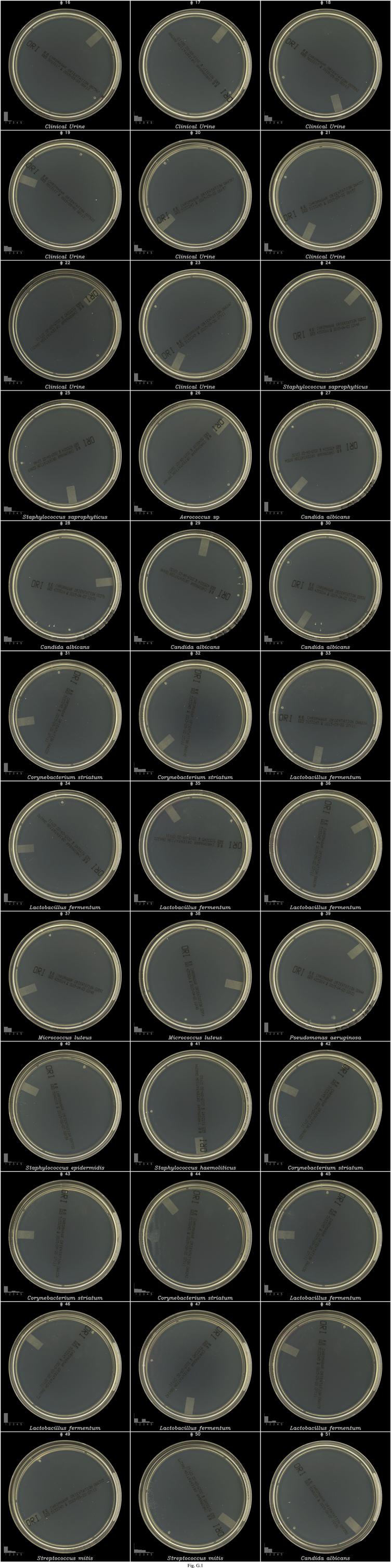
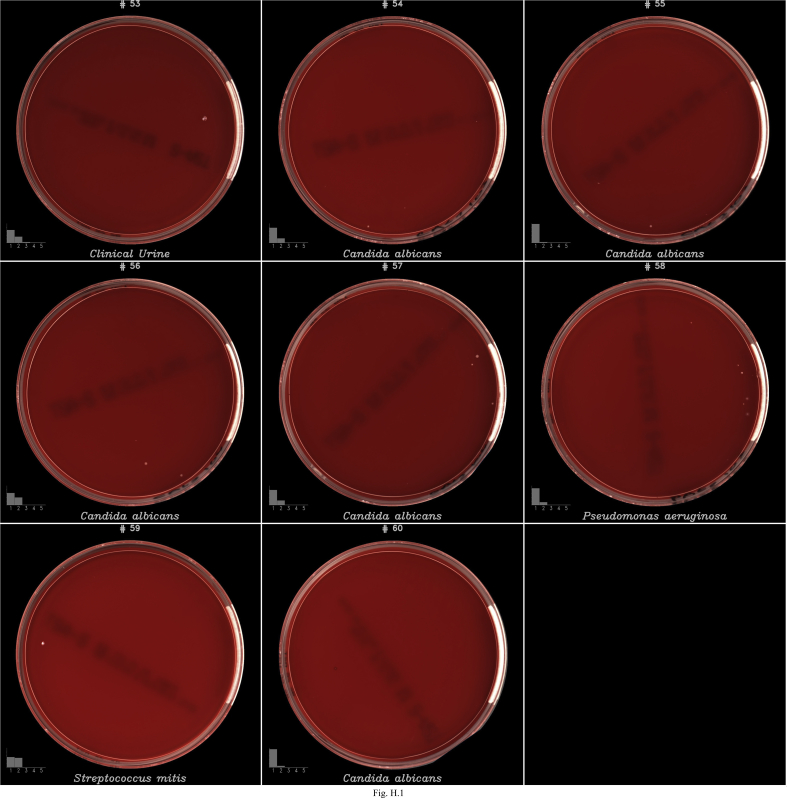
Defined monomicrobial and clinical urine samples were inoculated by the BD Kiestra™ InoqulA™ BT module. Image acquisition of plates was performed with the BD Kiestra™ ImagA BT digital imaging module using the BD Kiestra™ Optis™ imaging software. The algorithms were developed and trained using defined data sets and their performance evaluated on both defined and clinical samples.
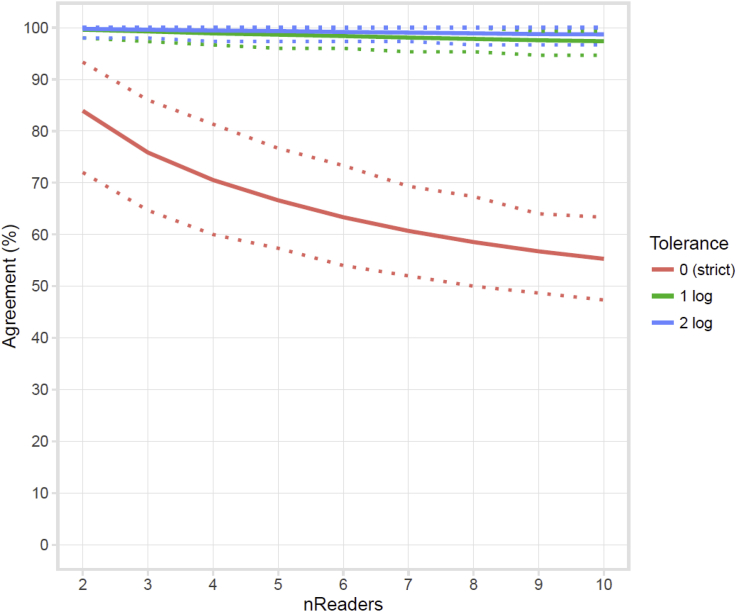
The detection algorithms exhibited 97.1% sensitivity and 93.6% specificity for microbial growth detection. Moreover, quantification accuracy of 80.2% and of 98.6% when accepting a 1 log tolerance was obtained with both defined monomicrobial and clinical urine samples, despite the presence of multiple species in the clinical samples. Automated identification accuracy of microbial colonies growing on chromogenic agar from defined isolates or clinical urine samples ranged from 98.3% to 99.7%, depending on the bacterial species tested.
The development of intelligent algorithm represents a major innovation that has the potential to significantly increase laboratory quality and productivity while reducing turn-around-times. Further development and validation with larger numbers of defined and clinical samples should be performed before transferring intelligent imaging analysis into diagnostic laboratories.
微生物学实验室的自动化对管理、工作流程、生产力和质量产生影响。智能图像分析的发展将进一步推动这一进程,实现微生物生长的自动检测、无菌样本的释放、细菌菌落的自动识别和定量以及 AST 药敏纸片扩散试验的读取。我们通过开发允许自动检测、半定量和细菌菌落识别的算法,研究了智能成像分析的潜在益处。
通过 BD Kiestra™InoqulA™BT 模块对定义的单微生物和临床尿液样本进行接种。使用 BD Kiestra™ImagA BT 数字成像模块对平板进行图像采集,使用 BD Kiestra™Optis™成像软件。使用定义的数据集开发和训练算法,并在定义的和临床样本上评估其性能。
微生物生长检测的检测算法表现出 97.1%的灵敏度和 93.6%的特异性。此外,对于定义的单微生物和临床尿液样本,即使在临床样本中存在多种微生物,也可以获得 80.2%和接受 1 个对数容差时 98.6%的定量准确性。从定义的分离物或临床尿液样本在显色琼脂上生长的微生物菌落的自动识别准确率为 98.3%至 99.7%,具体取决于测试的细菌种类。
智能算法的开发是一项重大创新,具有显著提高实验室质量和生产力、同时缩短周转时间的潜力。在将智能成像分析转移到诊断实验室之前,应该使用更多的定义和临床样本进行进一步的开发和验证。