Page Nivedita, Nirabhawane Vivek
Cipla Palliative Care and Training Center, Pune, Maharashtra, India.
Indian J Palliat Care. 2018 Jan-Mar;24(1):58-60. doi: 10.4103/IJPC.IJPC_143_17.
Cancer wounds need regular dressing; else they develop infection, foul odor, and in extreme cases, maggots. Patients resist dressing due to the severe incidental pain during dressing. Intranasal ketamine was tried as an analgesic to reduce this incidental pain.
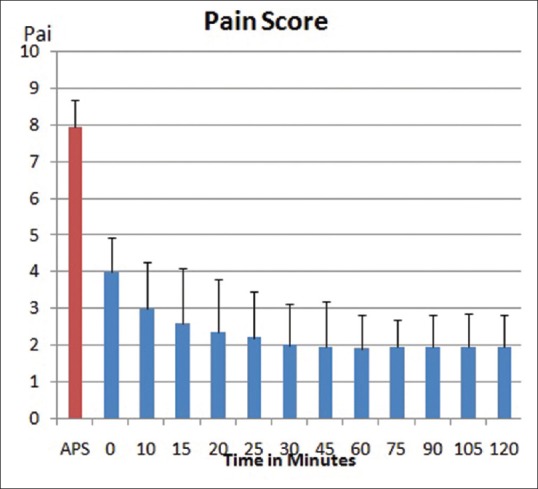
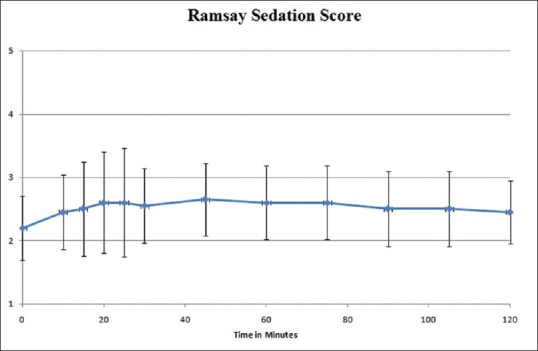
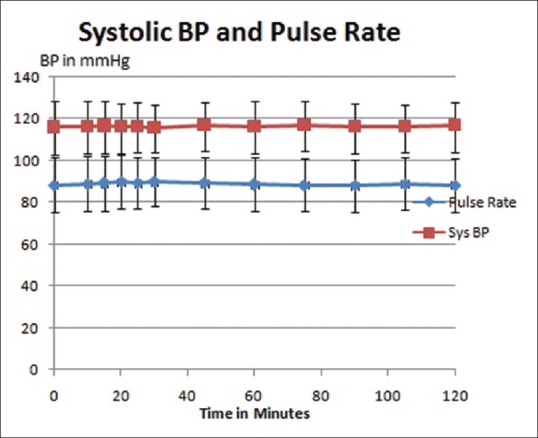
Twenty patients with wounds requiring regular dressing were selected; these patients had a basal pain score of 4/10 and incidental pain score of 7/10 during four consecutive dressings. Ketamine 0.5 mg/kg was administered transmucosally 10 min before dressing, and pain scores, hemodynamic parameters, and sedation were recorded for up to 2 h in six consecutive dressings.
Ketamine produced a significant reduction in incidental pain without any hemodynamic changes or sedation.
Ketamine appears to be a safe and effective analgesic when used intranasally for incidental pain.
癌性伤口需要定期换药;否则会发生感染、产生恶臭,在极端情况下还会滋生蛆虫。由于换药时会伴随剧烈疼痛,患者抗拒换药。尝试使用鼻内氯胺酮作为镇痛药来减轻这种伴随性疼痛。
选取20例需要定期换药的伤口患者;这些患者在连续4次换药期间的基础疼痛评分为4/10,伴随性疼痛评分为7/10。在每次换药前10分钟经黏膜给予0.5毫克/千克氯胺酮,并在连续6次换药过程中记录长达2小时的疼痛评分、血流动力学参数和镇静情况。
氯胺酮能显著减轻伴随性疼痛,且未引起任何血流动力学变化或镇静作用。
鼻内使用氯胺酮治疗伴随性疼痛似乎是一种安全有效的镇痛药。