Guangdong Provincial Key Laboratory of Stomatology, Department of Operative Dentistry and Endodontics, Guanghua School of Stomatology, Sun Yat-sen University, Guangzhou, China.
The Key Laboratory for Stem Cells and Tissue Engineering, Center for Stem Cell Biology and Tissue Engineering, Ministry of Education, Sun Yat-sen University, Guangzhou, China.
Cell Death Dis. 2018 Feb 14;9(2):229. doi: 10.1038/s41419-018-0310-x.
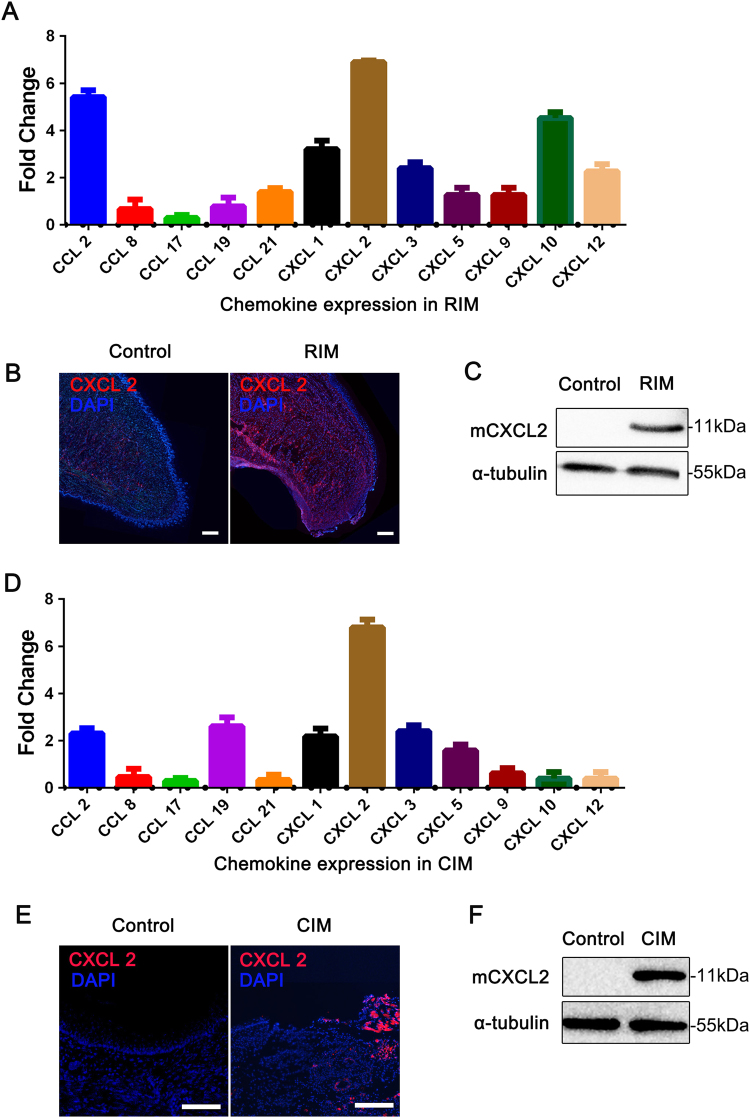
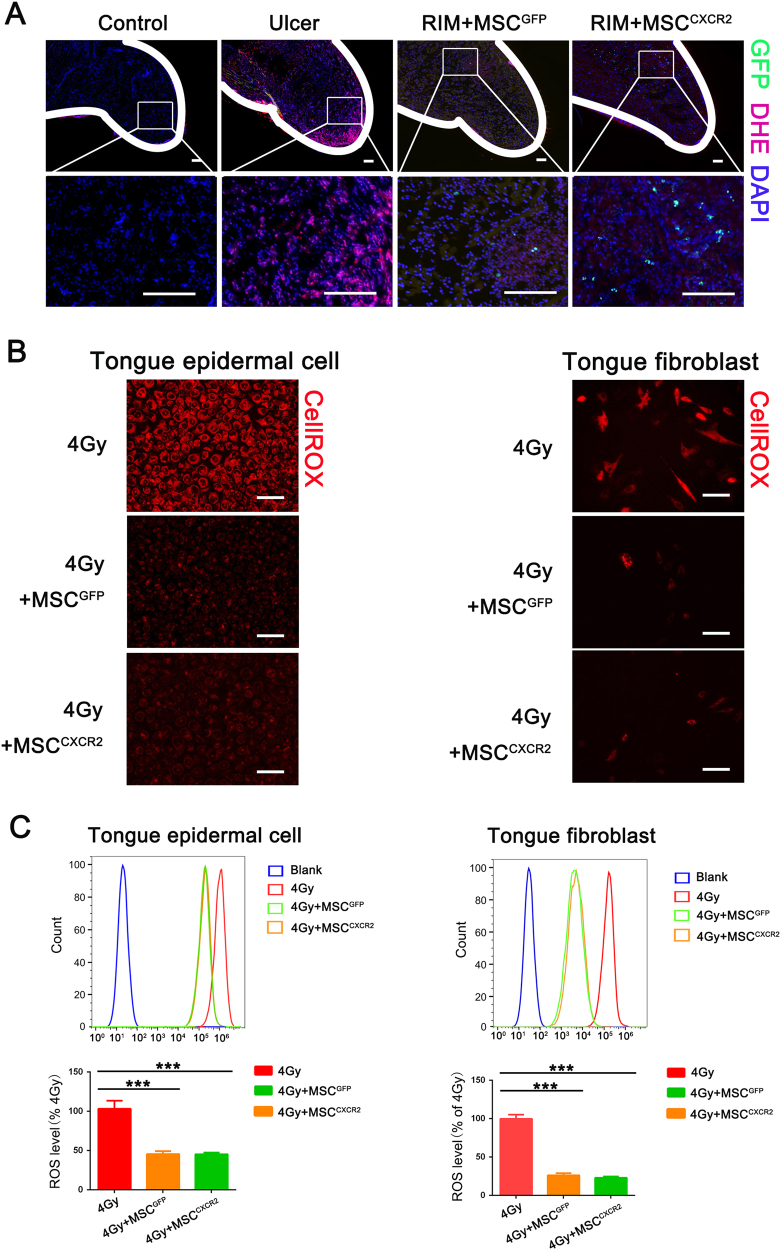
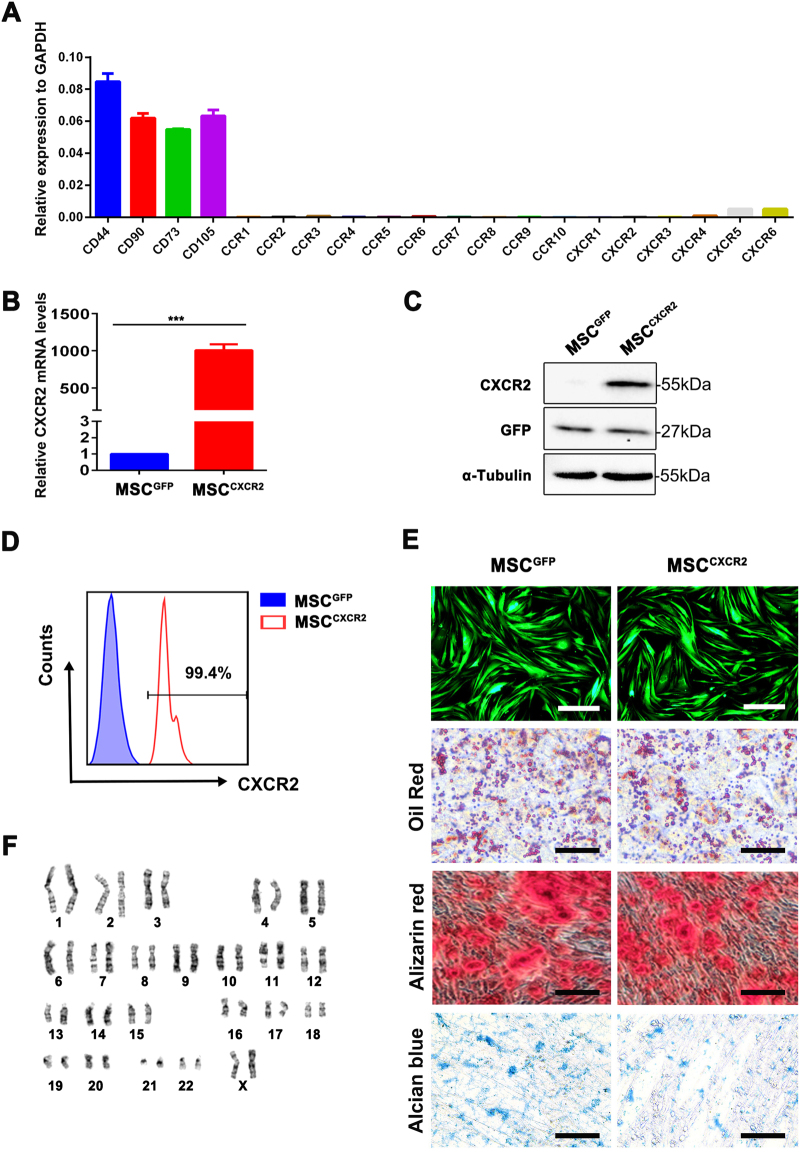
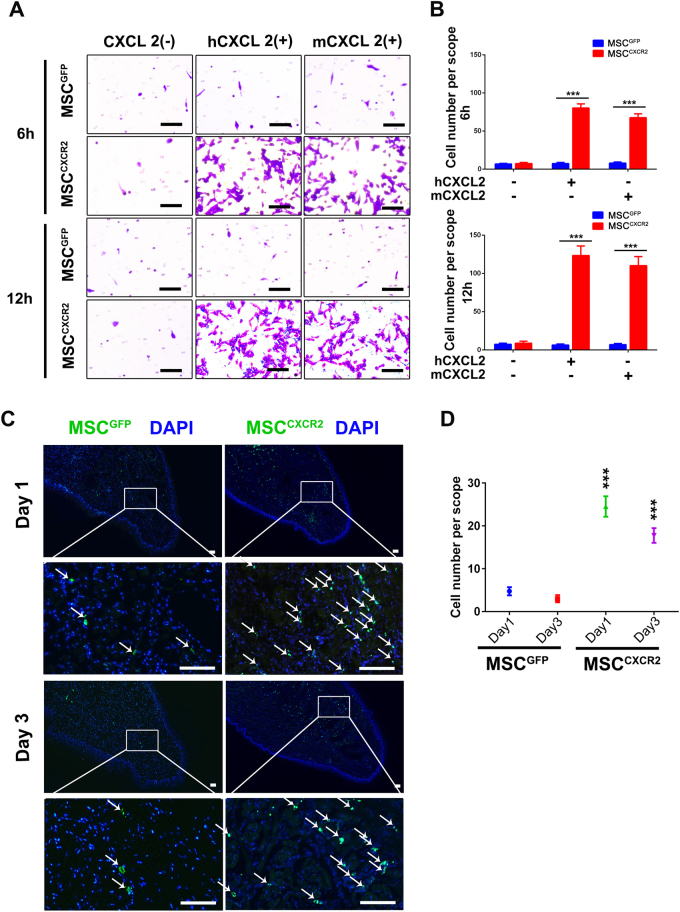
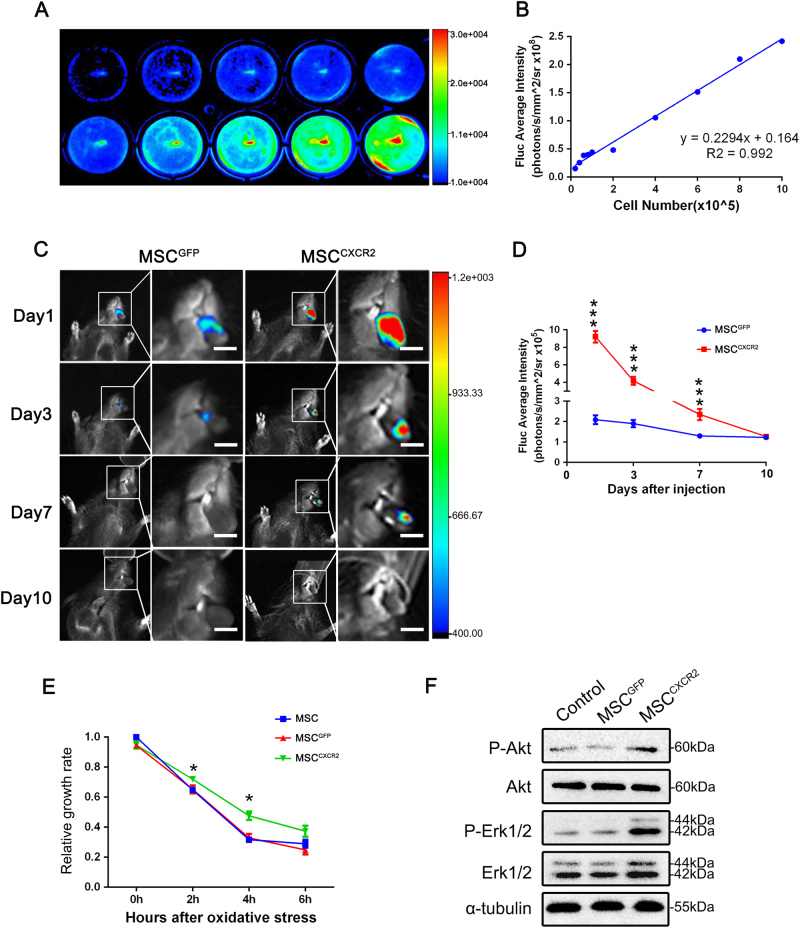
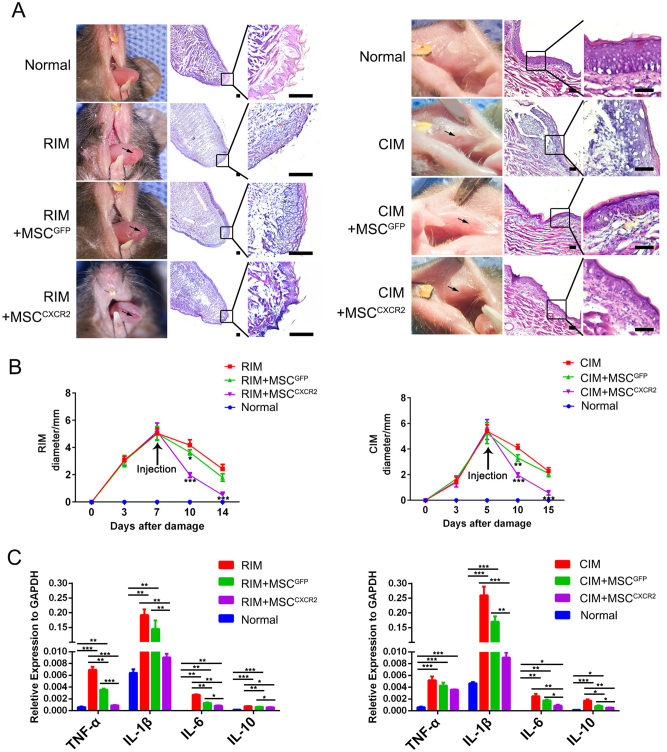
Radiation-induced oral mucositis affects patient quality of life and reduces tolerance to cancer therapy. Unfortunately, traditional treatments are insufficient for the treatment of mucositis and might elicit severe side effects. Due to their immunomodulatory and anti-inflammatory properties, the transplantation of mesenchymal stem cells (MSCs) is a potential therapeutic strategy for mucositis. However, systemically infused MSCs rarely reach inflamed sites, impacting their clinical efficacy. Previous studies have demonstrated that chemokine axes play an important role in MSC targeting. By systematically evaluating the expression patterns of chemokines in radiation/chemical-induced oral mucositis, we found that CXCL2 was highly expressed, whereas cultured MSCs negligibly express the CXCL2 receptor CXCR2. Thus, we explored the potential therapeutic benefits of the transplantation of CXCR-overexpressing MSCs (MSCs) for mucositis treatment. Indeed, MSCs exhibited enhanced targeting ability to the inflamed mucosa in radiation/chemical-induced oral mucositis mouse models. Furthermore, we found that MSC transplantation accelerated ulcer healing by suppressing the production of pro-inflammatory chemokines and radiogenic reactive oxygen species (ROS). Altogether, these findings indicate that CXCR2 overexpression in MSCs accelerates ulcer healing, providing new insights into cell-based therapy for radiation/chemical-induced oral mucositis.
辐射诱导的口腔黏膜炎会影响患者的生活质量,并降低其对癌症治疗的耐受性。不幸的是,传统疗法不足以治疗黏膜炎,并且可能会引发严重的副作用。由于间充质干细胞(MSCs)具有免疫调节和抗炎特性,因此它们的移植是治疗黏膜炎的一种潜在治疗策略。然而,系统输注的 MSCs 很少到达炎症部位,从而影响了其临床疗效。先前的研究表明,趋化因子轴在 MSC 靶向中起着重要作用。通过系统评估辐射/化学诱导的口腔黏膜炎中趋化因子的表达模式,我们发现 CXCL2 高度表达,而培养的 MSC 则很少表达 CXCL2 受体 CXCR2。因此,我们探索了过表达 CXCR 的 MSC(MSCs)移植治疗黏膜炎的潜在治疗益处。事实上,MSCs 在辐射/化学诱导的口腔黏膜炎小鼠模型中表现出增强的靶向炎症黏膜的能力。此外,我们发现 MSC 移植通过抑制促炎趋化因子和放射诱导的活性氧(ROS)的产生来加速溃疡愈合。总之,这些发现表明 MSCs 中 CXCR2 的过表达加速了溃疡愈合,为辐射/化学诱导的口腔黏膜炎的细胞治疗提供了新的见解。