Salgia Ravi, Kulkarni Prakash
Department of Medical Oncology and Therapeutics Research, City of Hope National Medical Center, 1500 East Duarte Road, Duarte, CA 91010, USA.
Department of Medical Oncology and Therapeutics Research, City of Hope National Medical Center, 1500 East Duarte Road, Duarte, CA 91010, USA.
Trends Cancer. 2018 Feb;4(2):110-118. doi: 10.1016/j.trecan.2018.01.001. Epub 2018 Feb 3.
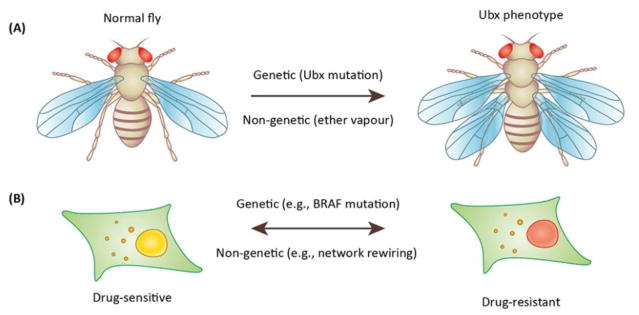
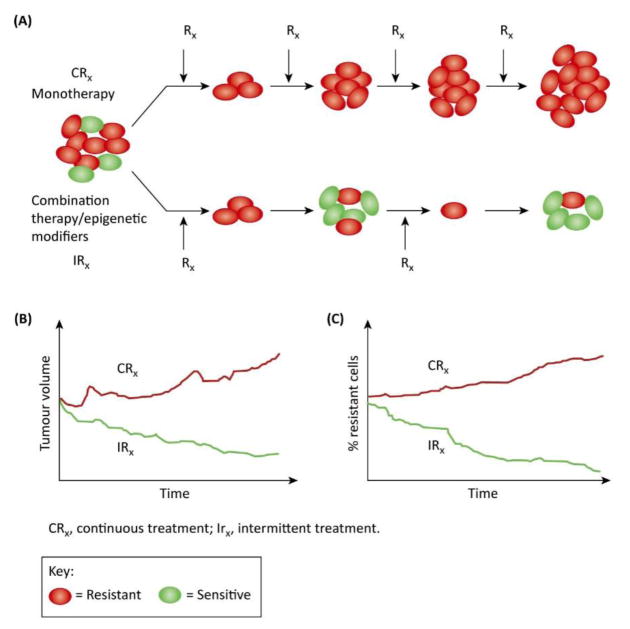
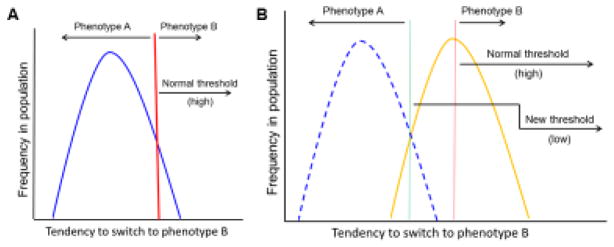
Drug resistance is a serious impediment to the treatment of cancer. However, the mechanisms involved remain poorly understood. While it is widely held that the phenomenon is genetic in nature, emerging evidence suggests that non-genetic mechanisms may also be important. Furthermore, at least in some cases, refractoriness to treatment can be reversed by epigenetic reprogramming, and combination and intermittent therapies, as opposed to sustained monotherapy, appear more effective in attenuating it. Here we iterate the confusion in understanding the phenomenon by which cancer cells evade drug response and underscore the need to recognize the genetic/non-genetic duality of drug resistance in cancer. We discuss how ecological and evolutionary principles may help to reconcile the duality and may even offer new treatment strategies.
耐药性是癌症治疗的严重障碍。然而,其中涉及的机制仍知之甚少。虽然人们普遍认为这种现象本质上是遗传性的,但新出现的证据表明非遗传机制可能也很重要。此外,至少在某些情况下,通过表观遗传重编程可以逆转对治疗的难治性,而且与持续单一疗法相比,联合和间歇疗法在减轻耐药性方面似乎更有效。在这里,我们重申了在理解癌细胞逃避药物反应这一现象时存在的困惑,并强调需要认识到癌症耐药性的遗传/非遗传二元性。我们讨论了生态和进化原理如何有助于调和这种二元性,甚至可能提供新的治疗策略。