Bishehsari Faraz, Engen Phillip A, Preite Nailliw Z, Tuncil Yunus E, Naqib Ankur, Shaikh Maliha, Rossi Marco, Wilber Sherry, Green Stefan J, Hamaker Bruce R, Khazaie Khashayarsha, Voigt Robin M, Forsyth Christopher B, Keshavarzian Ali
Department of Internal Medicine, Division of Gastroenterology, Rush University Medical Center, Chicago, IL USA.
Whistler Center for Carbohydrate Research, Department of Food Science, Purdue University, West Lafayette, IN USA.
Genes (Basel). 2018 Feb 16;9(2):102. doi: 10.3390/genes9020102.
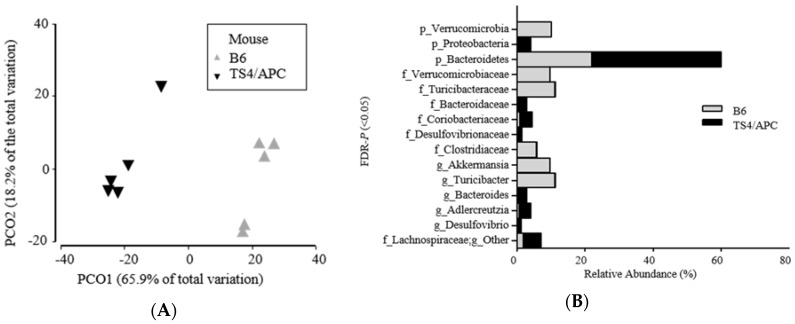
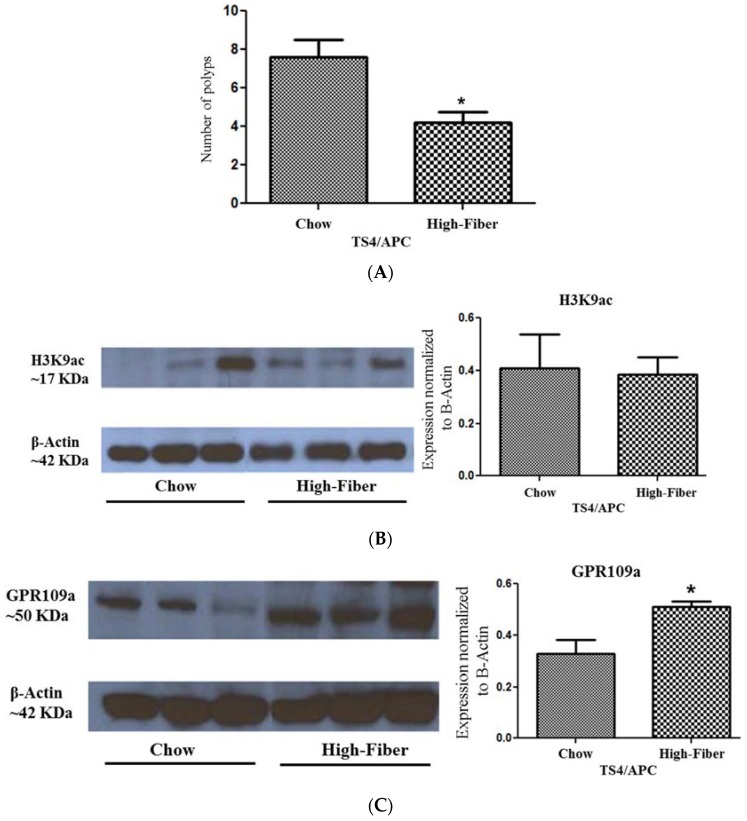
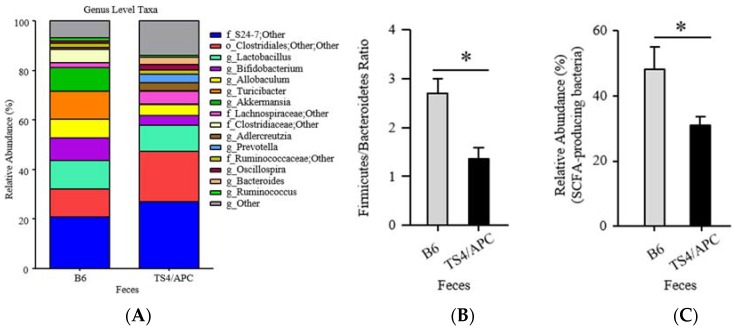
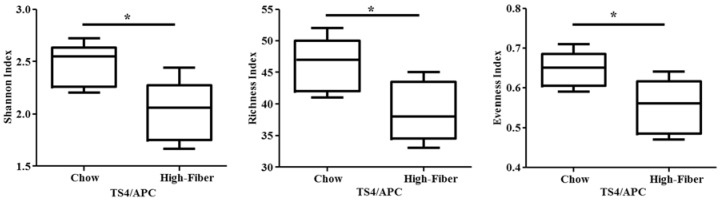
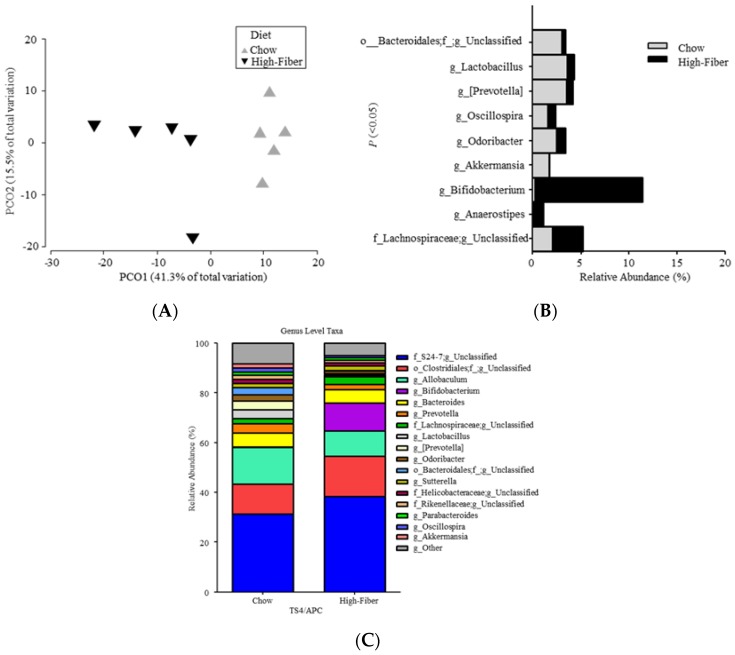
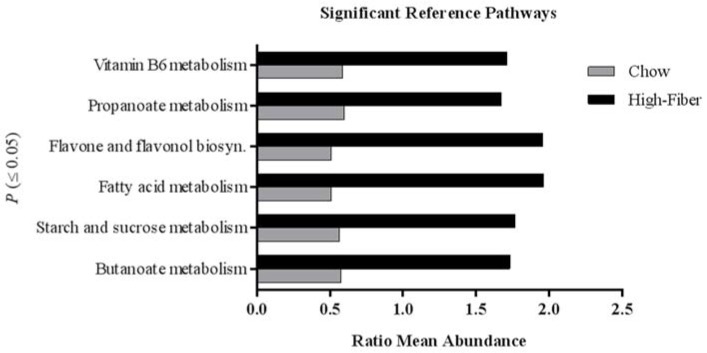
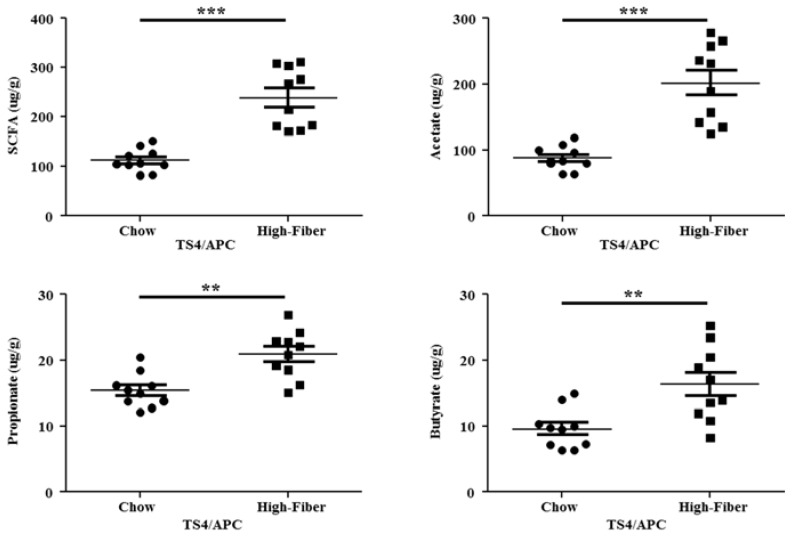
Epidemiological studies propose a protective role for dietary fiber in colon cancer (CRC). One possible mechanism of fiber is its fermentation property in the gut and ability to change microbiota composition and function. Here, we investigate the role of a dietary fiber mixture in polyposis and elucidate potential mechanisms using TS4Cre×cAPC° mice. Stool microbiota profiling was performed, while functional prediction was done using PICRUSt. Stool short-chain fatty acid (SCFA) metabolites were measured. Histone acetylation and expression of SCFA butyrate receptor were assessed. We found that SCFA-producing bacteria were lower in the polyposis mice, suggesting a decline in the fermentation product of dietary fibers with polyposis. Next, a high fiber diet was given to polyposis mice, which significantly increased SCFA-producing bacteria as well as SCFA levels. This was associated with an increase in SCFA butyrate receptor and a significant decrease in polyposis. In conclusion, we found polyposis to be associated with dysbiotic microbiota characterized by a decline in SCFA-producing bacteria, which was targetable by high fiber treatment, leading to an increase in SCFA levels and amelioration of polyposis. The prebiotic activity of fiber, promoting beneficial bacteria, could be the key mechanism for the protective effects of fiber on colon carcinogenesis. SCFA-promoting fermentable fibers are a promising dietary intervention to prevent CRC.
流行病学研究表明膳食纤维在结肠癌(CRC)中具有保护作用。纤维的一种可能机制是其在肠道中的发酵特性以及改变微生物群组成和功能的能力。在此,我们使用TS4Cre×cAPC°小鼠研究膳食纤维混合物在息肉病中的作用并阐明潜在机制。进行了粪便微生物群分析,同时使用PICRUSt进行功能预测。测量了粪便短链脂肪酸(SCFA)代谢产物。评估了组蛋白乙酰化和SCFA丁酸盐受体的表达。我们发现息肉病小鼠中产SCFA的细菌较少,这表明随着息肉病的发展膳食纤维的发酵产物减少。接下来,给息肉病小鼠喂食高纤维饮食,这显著增加了产SCFA的细菌以及SCFA水平。这与SCFA丁酸盐受体的增加以及息肉病的显著减少有关。总之,我们发现息肉病与以产SCFA细菌减少为特征的微生物群失调有关,高纤维治疗可针对该失调,导致SCFA水平升高和息肉病改善。纤维的益生元活性,促进有益细菌生长,可能是纤维对结肠癌发生保护作用的关键机制。促进SCFA产生的可发酵纤维是预防CRC的一种有前景的饮食干预措施。