Molecular and Cellular Cognition Lab, German Center for Neurodegenerative Diseases (DZNE), 53127 Bonn, Germany.
Institute of Pathology, Helmholtz Zentrum München, German Research Center for Environmental Health, 85764 Neuherberg, Germany.
Proc Natl Acad Sci U S A. 2018 Mar 6;115(10):E2348-E2357. doi: 10.1073/pnas.1707337115. Epub 2018 Feb 21.
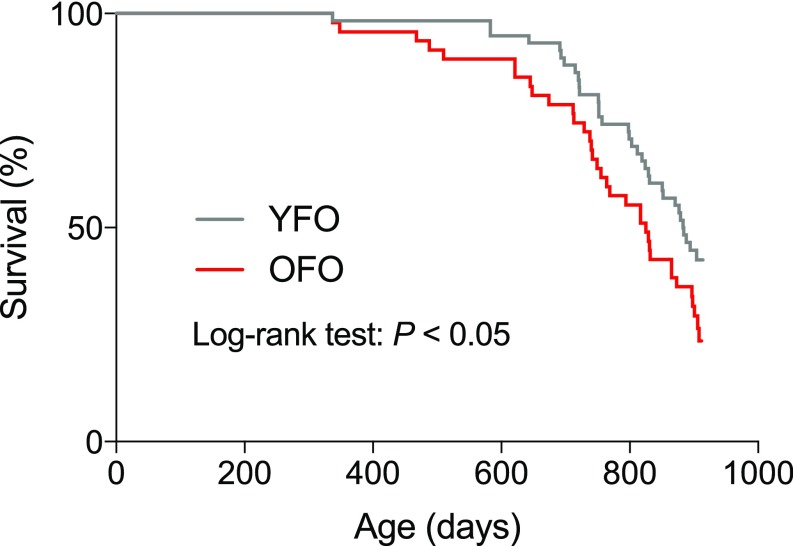
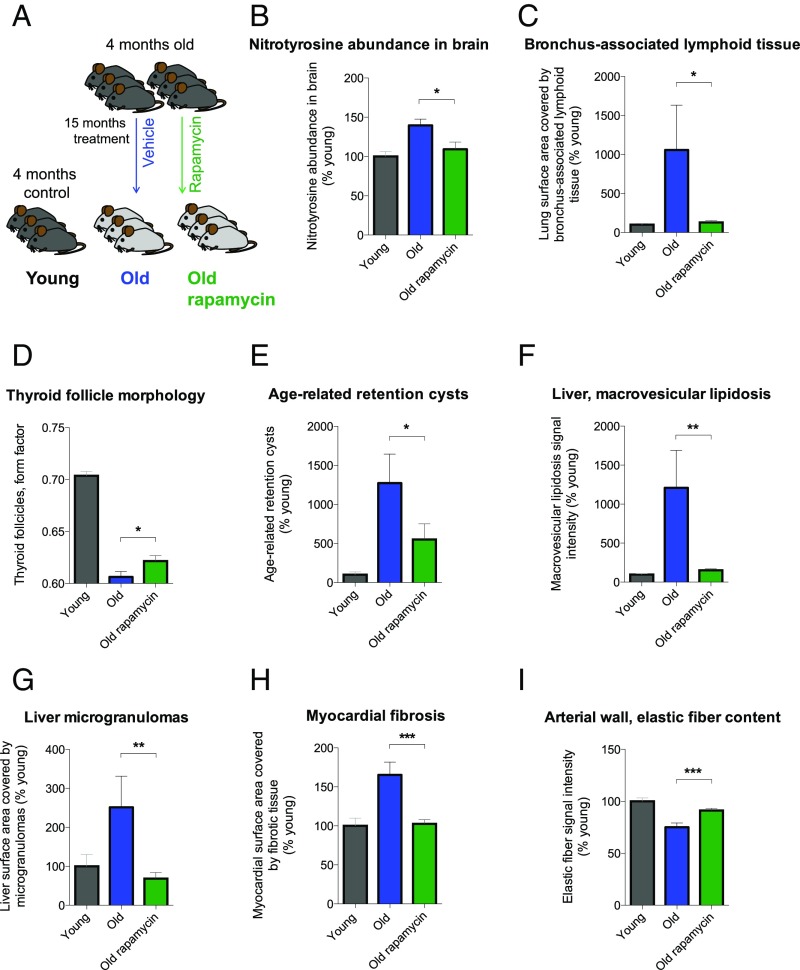
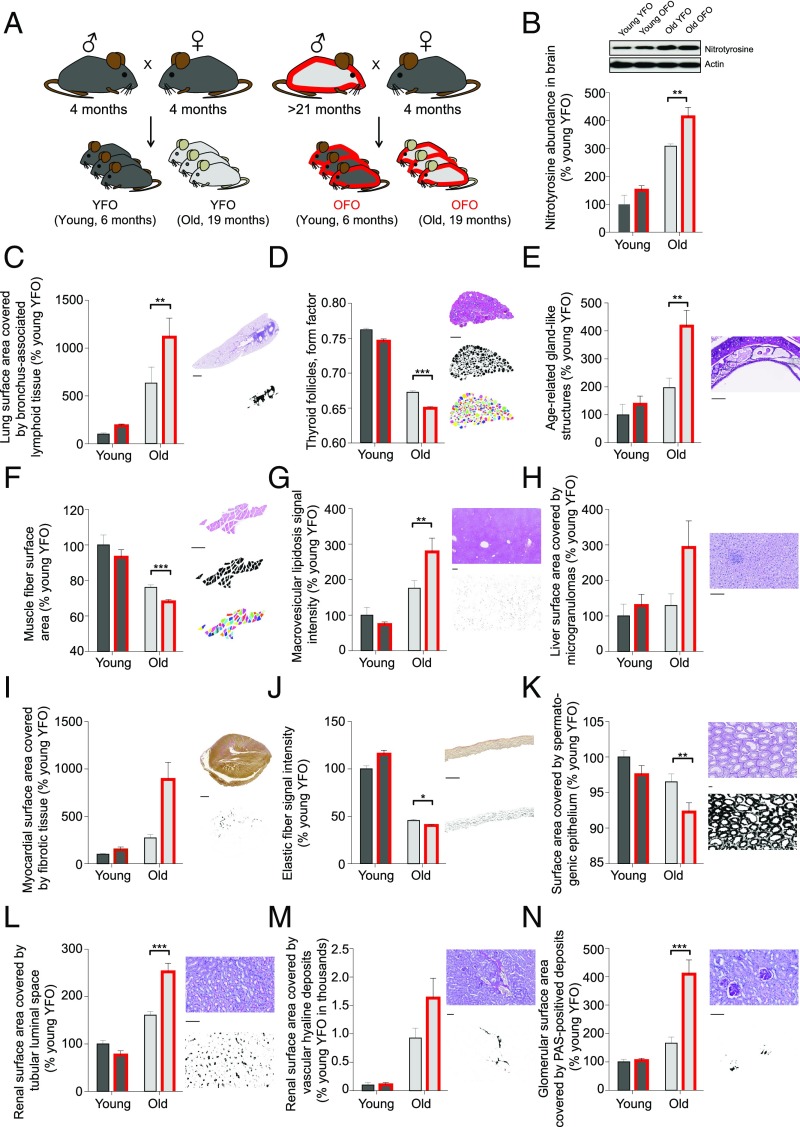
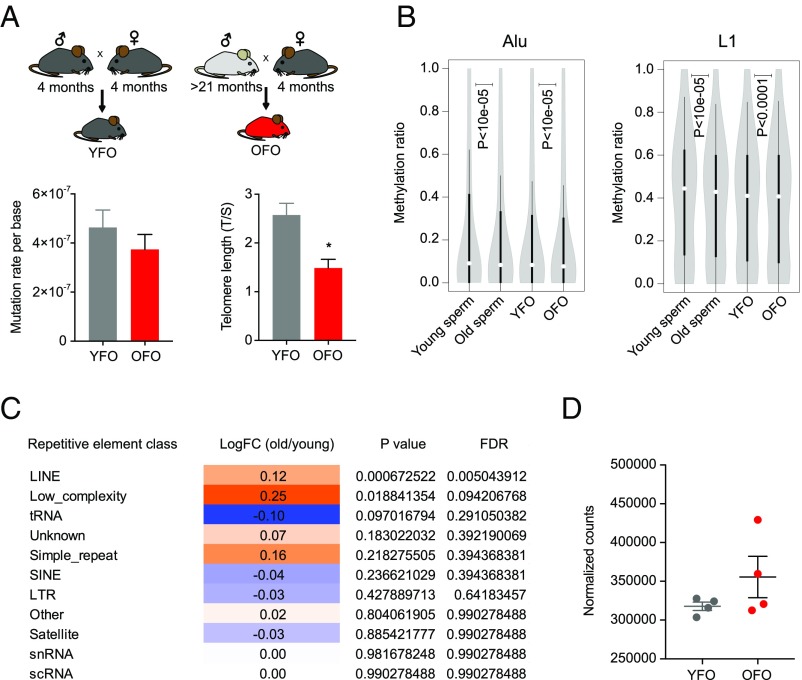
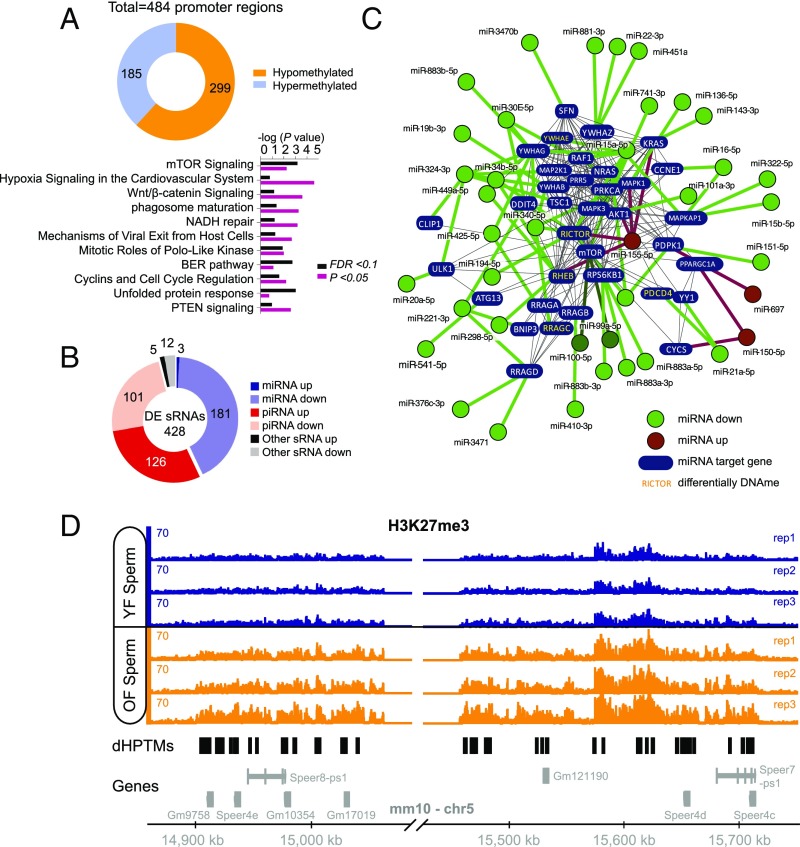
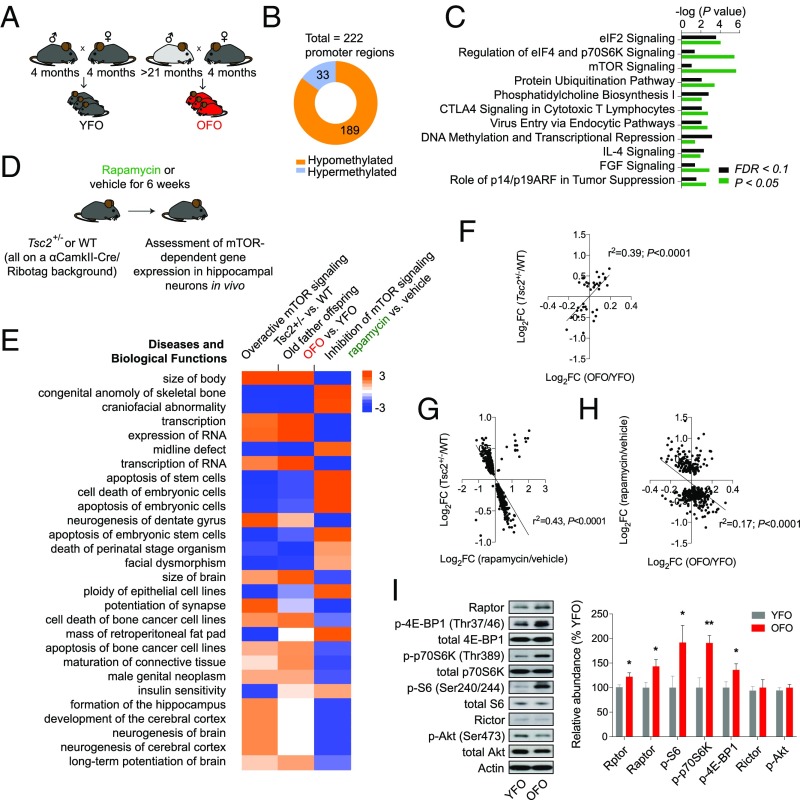
Advanced age is not only a major risk factor for a range of disorders within an aging individual but may also enhance susceptibility for disease in the next generation. In humans, advanced paternal age has been associated with increased risk for a number of diseases. Experiments in rodent models have provided initial evidence that paternal age can influence behavioral traits in offspring animals, but the overall scope and extent of paternal age effects on health and disease across the life span remain underexplored. Here, we report that old father offspring mice showed a reduced life span and an exacerbated development of aging traits compared with young father offspring mice. Genome-wide epigenetic analyses of sperm from aging males and old father offspring tissue identified differentially methylated promoters, enriched for genes involved in the regulation of evolutionarily conserved longevity pathways. Gene expression analyses, biochemical experiments, and functional studies revealed evidence for an overactive mTORC1 signaling pathway in old father offspring mice. Pharmacological mTOR inhibition during the course of normal aging ameliorated many of the aging traits that were exacerbated in old father offspring mice. These findings raise the possibility that inherited alterations in longevity pathways contribute to intergenerational effects of aging in old father offspring mice.
高龄不仅是个体衰老过程中一系列疾病的主要危险因素,也可能增加下一代患病的易感性。在人类中,高龄父亲与许多疾病的风险增加有关。啮齿动物模型的实验提供了初步证据,表明父亲年龄会影响后代动物的行为特征,但父亲年龄对健康和疾病的影响在整个生命周期的总体范围和程度仍未得到充分探索。在这里,我们报告说,与年轻父亲的后代相比,老年父亲的后代小鼠的寿命缩短,衰老特征的发展加剧。对衰老雄性精子和老年父亲后代组织的全基因组表观遗传分析鉴定出了差异甲基化的启动子,这些启动子富含参与进化保守的长寿途径调控的基因。基因表达分析、生化实验和功能研究为老年父亲后代小鼠中过度活跃的 mTORC1 信号通路提供了证据。在正常衰老过程中进行的 mTOR 抑制药理学治疗改善了老年父亲后代小鼠中加剧的许多衰老特征。这些发现提出了一种可能性,即长寿途径的遗传改变可能导致老年父亲后代小鼠的代际衰老效应。