Dhami Navdeep K, Mukherjee Abhijit, Watkin Elizabeth L J
Biologically Activated Materials Laboratory, Department of Civil Engineering, Curtin University, Perth, WA, Australia.
School of Biomedical Sciences, Curtin Health Innovation Research Institute-Biosciences, Curtin University, Perth, WA, Australia.
Front Microbiol. 2018 Feb 2;9:40. doi: 10.3389/fmicb.2018.00040. eCollection 2018.
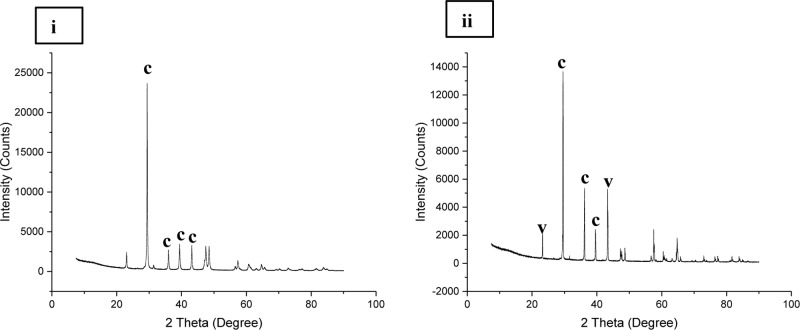
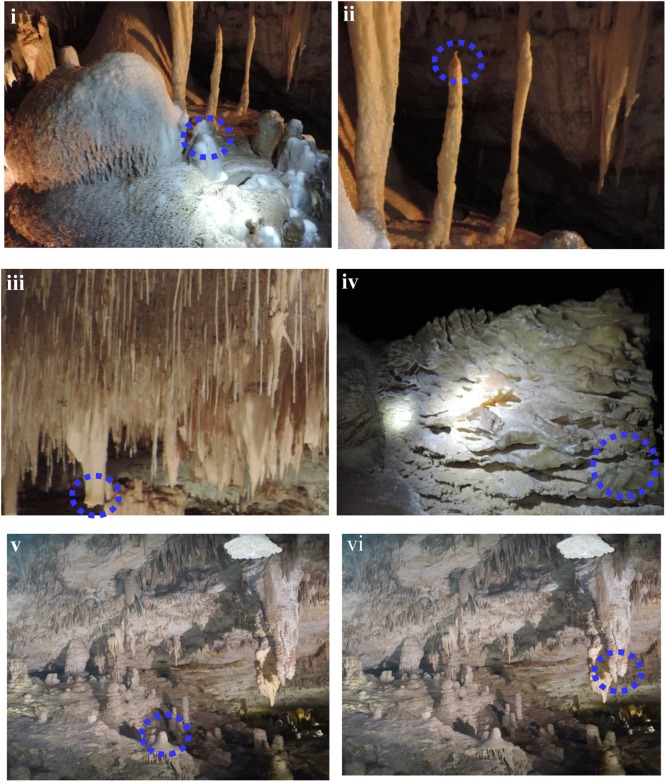
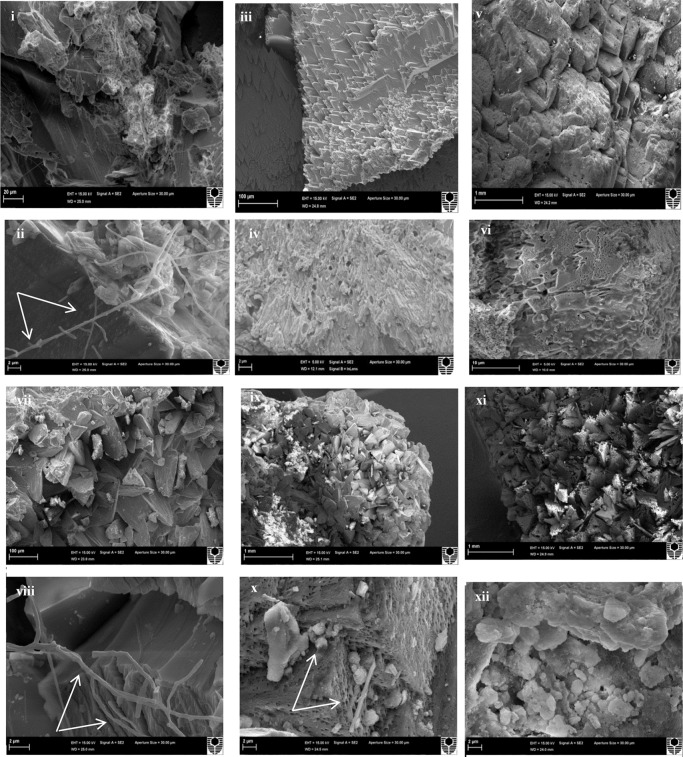
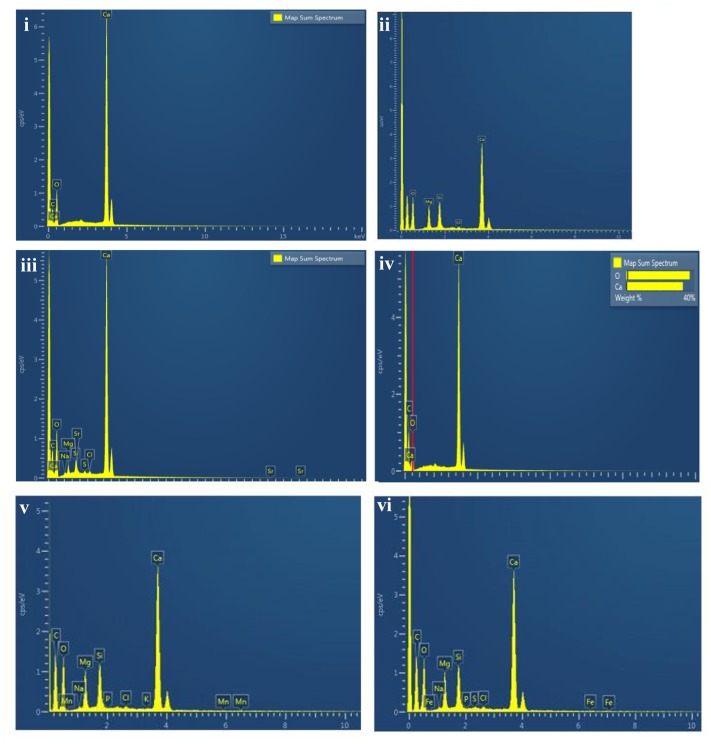
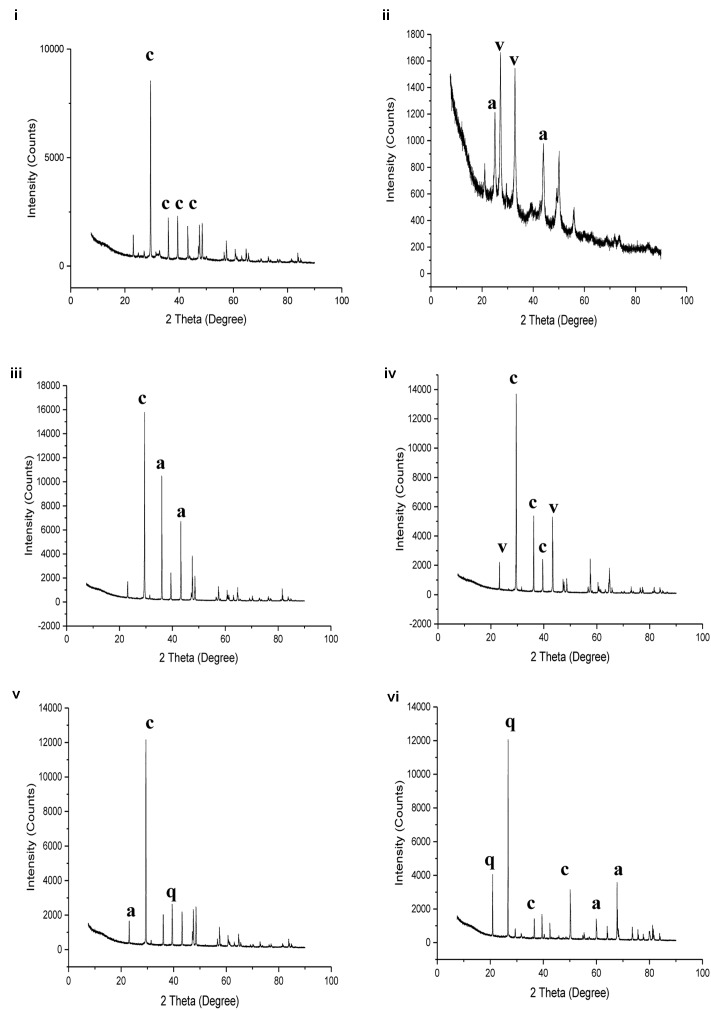
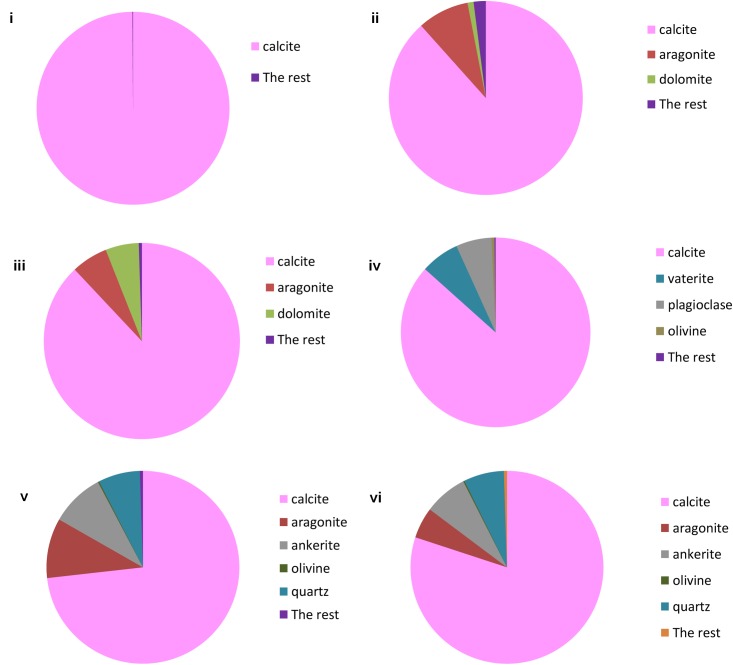
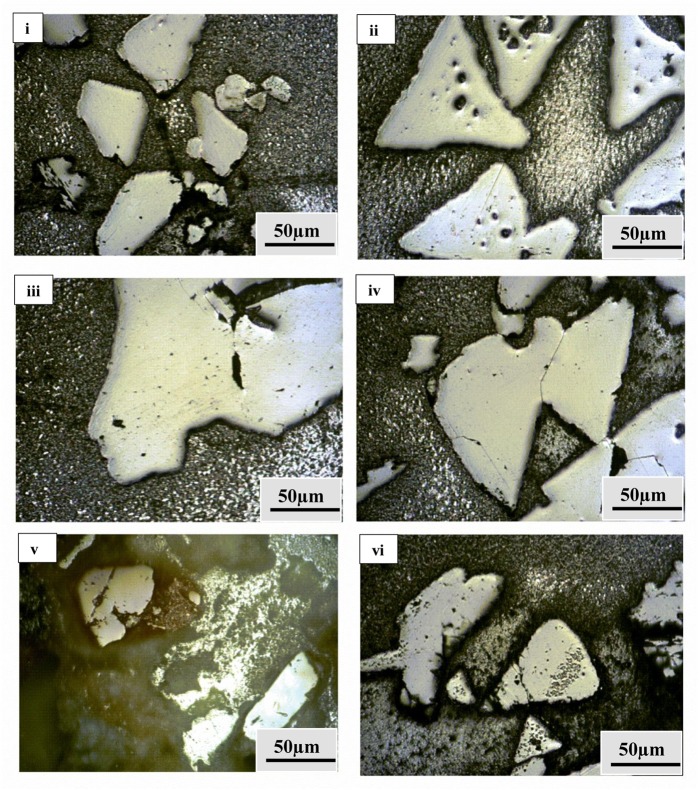
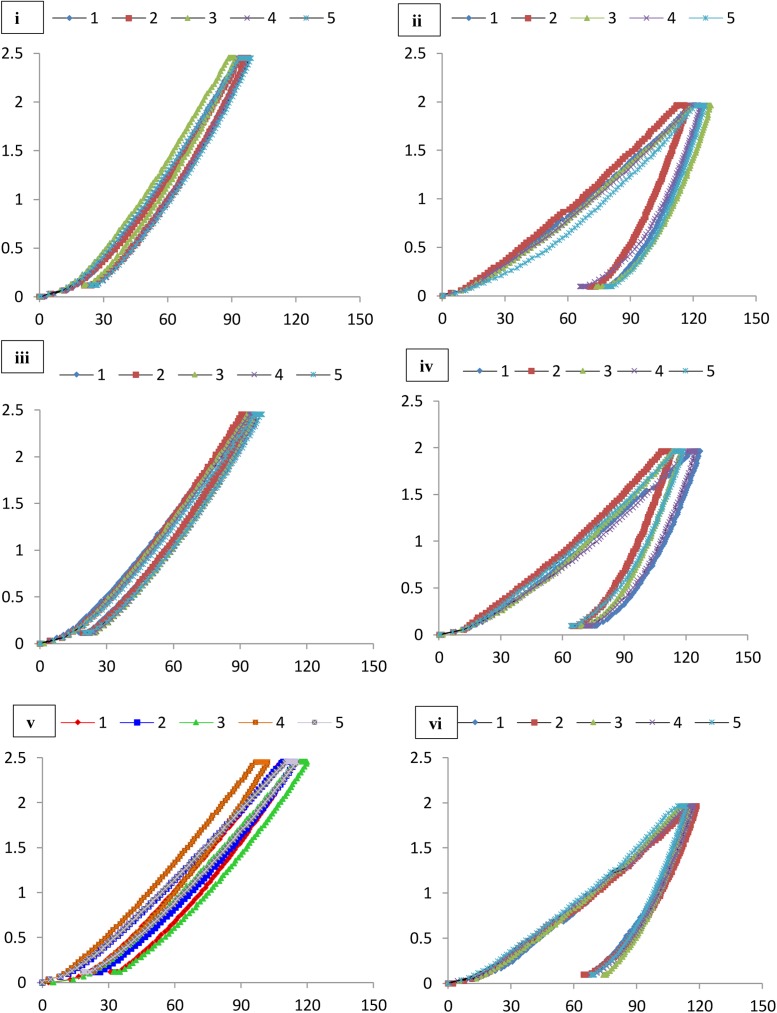
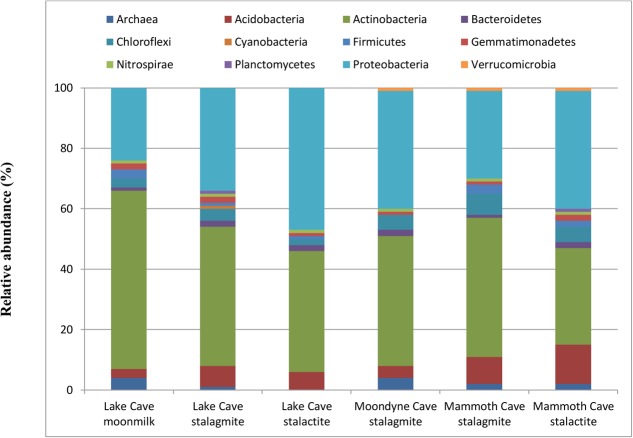
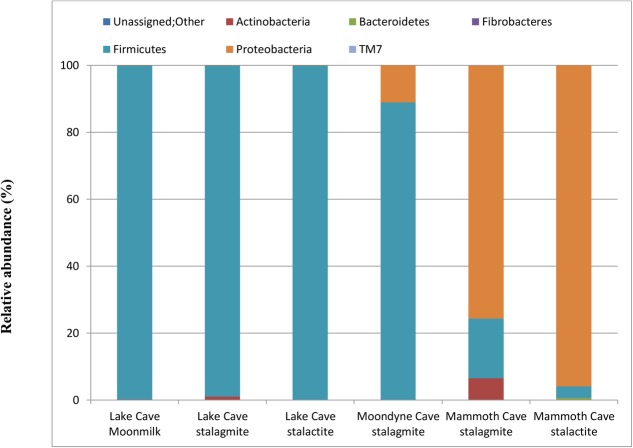
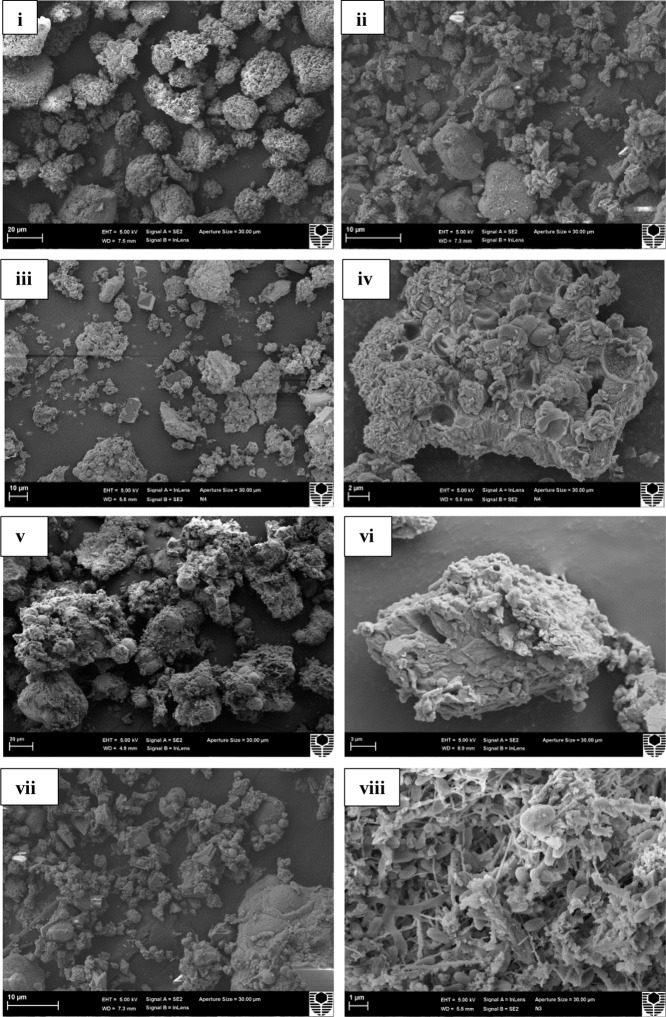
Natural mineral formations are a window into important processes leading to carbon storage and mineralized carbonate structures formed through abiotic and biotic processes. In the current study, we made an attempt to undertake a comprehensive approach to characterize the mineralogical, mechanical, and microbial properties of different kinds of speleothems from karstic caves; with an aim to understand the bio-geo-chemical processes in speleothem structures and their impact on nanomechanical properties. We also investigated the biomineralization abilities of speleothem surface associated microbial communities . Mineralogical profiling using techniques such as X-ray powder Diffraction (XRD) and Tescan Integrated Mineral Analyzer (TIMA) demonstrated that calcite was the dominant mineral in the majority of speleothems with Energy Dispersive X-ray Analysis (EDS) indicating a few variations in the elemental components. Differing proportions of polymorphs of calcium carbonate such as aragonite and vaterite were also recorded. Significant variations in trace metal content were recorded through Inductively Coupled Plasma Mass Spectrometer (ICP-MS). Scanning Electron Microscopy (SEM) analysis revealed differences in morphological features of the crystals which varied from triangular prismatic shapes to etched spiky forms. Microbial imprints and associations were seen in a few sections. Analysis of the associated microbial diversity showed significant differences between various speleothems at Phylum level; although Proteobacteria and Actinobacteria were found to be the predominant groups. Genus level microbial associations showed a relationship with the geochemistry, mineralogical composition, and metal content of the speleothems. The assessment of nanomechanical properties measured by Nanoindentation revealed that the speleothems with a dominance of calcite were stronger than the speleothems with mixed calcium carbonate polymorphs and silica content. The metabolic activity of the microbial communities associated with the surfaces of the speleothems resulted in calcium carbonate crystal precipitation. Firmicutes and Proteobacteria dominated these populations, in contrast to the populations seen in natural systems. The precipitation of calcium carbonate crystals indicated that microbial metabolic activity may also play an important role in the synthesis and dissociation of biominerals in the natural environment. Our study provides novel evidence of the close relationship between mineralogy, microbial ecology, geochemistry, and nanomechanical properties of natural formations.
天然矿物质形成是了解导致碳储存的重要过程以及通过非生物和生物过程形成的矿化碳酸盐结构的一扇窗口。在当前的研究中,我们尝试采用一种综合方法来表征来自岩溶洞穴的不同种类石笋的矿物学、力学和微生物特性;旨在了解石笋结构中的生物地球化学过程及其对纳米力学性能的影响。我们还研究了石笋表面相关微生物群落的生物矿化能力。使用X射线粉末衍射(XRD)和泰思肯综合矿物分析仪(TIMA)等技术进行的矿物学分析表明,方解石是大多数石笋中的主要矿物,能量色散X射线分析(EDS)表明元素成分存在一些差异。还记录到了不同比例的碳酸钙多晶型物,如文石和球霰石。通过电感耦合等离子体质谱仪(ICP-MS)记录到痕量金属含量存在显著差异。扫描电子显微镜(SEM)分析揭示了晶体形态特征的差异,从三角棱柱形状到蚀刻的尖刺形状各不相同。在一些切片中可以看到微生物印记和关联。对相关微生物多样性的分析表明,在门水平上,各种石笋之间存在显著差异;尽管变形菌门和放线菌门被发现是主要类群。属水平的微生物关联显示出与石笋的地球化学、矿物组成和金属含量之间的关系。通过纳米压痕测量对纳米力学性能的评估表明,以方解石为主的石笋比重碳酸钙多晶型物和二氧化硅含量混合的石笋更强。与石笋表面相关的微生物群落的代谢活动导致了碳酸钙晶体沉淀。厚壁菌门和变形菌门在这些种群中占主导地位,这与自然系统中观察到的种群不同。碳酸钙晶体的沉淀表明,微生物代谢活动在自然环境中生物矿物的合成和解离中也可能发挥重要作用。我们的研究为天然地层的矿物学、微生物生态学、地球化学和纳米力学性能之间的密切关系提供了新的证据。