Department of Medical Chemistry, Faculty of Medicine, University of Debrecen, Debrecen, Hungary.
MTA-DE Cell Biology and Signaling Research Group, Debrecen, Hungary.
Redox Biol. 2018 Jun;16:59-74. doi: 10.1016/j.redox.2018.01.015. Epub 2018 Feb 3.
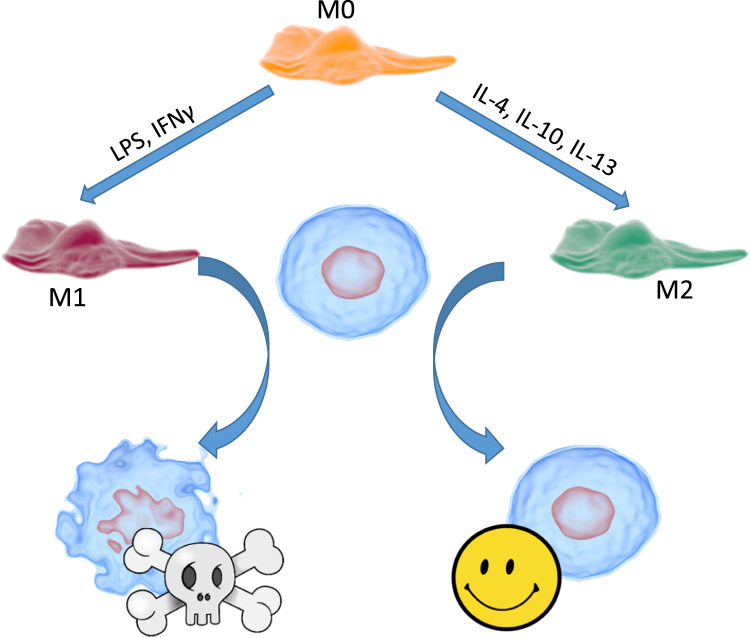
Redox regulation has been proposed to control various aspects of carcinogenesis, cancer cell growth, metabolism, migration, invasion, metastasis and cancer vascularization. As cancer has many faces, the role of redox control in different cancers and in the numerous cancer-related processes often point in different directions. In this review, we focus on the redox control mechanisms of tumor cell destruction. The review covers the tumor-intrinsic role of oxidants derived from the reduction of oxygen and nitrogen in the control of tumor cell proliferation as well as the roles of oxidants and antioxidant systems in cancer cell death caused by traditional anticancer weapons (chemotherapeutic agents, radiotherapy, photodynamic therapy). Emphasis is also put on the role of oxidants and redox status in the outcome following interactions between cancer cells, cytotoxic lymphocytes and tumor infiltrating macrophages.
氧化还原调节被认为可以控制癌变、癌细胞生长、代谢、迁移、侵袭、转移和癌症血管生成等各个方面。由于癌症有多种表现形式,氧化还原控制在不同癌症和众多与癌症相关的过程中的作用通常指向不同的方向。在这篇综述中,我们重点关注肿瘤细胞破坏的氧化还原控制机制。该综述涵盖了来源于氧和氮还原的氧化剂在控制肿瘤细胞增殖方面的肿瘤内在作用,以及氧化剂和抗氧化系统在传统抗癌武器(化疗药物、放疗、光动力疗法)引起的癌细胞死亡中的作用。此外,还强调了氧化剂和氧化还原状态在癌细胞、细胞毒性淋巴细胞和肿瘤浸润巨噬细胞相互作用后的结果中的作用。