Friedman J M, Babiss L E, Clayton D F, Darnell J E
Mol Cell Biol. 1986 Nov;6(11):3791-7. doi: 10.1128/mcb.6.11.3791-3797.1986.
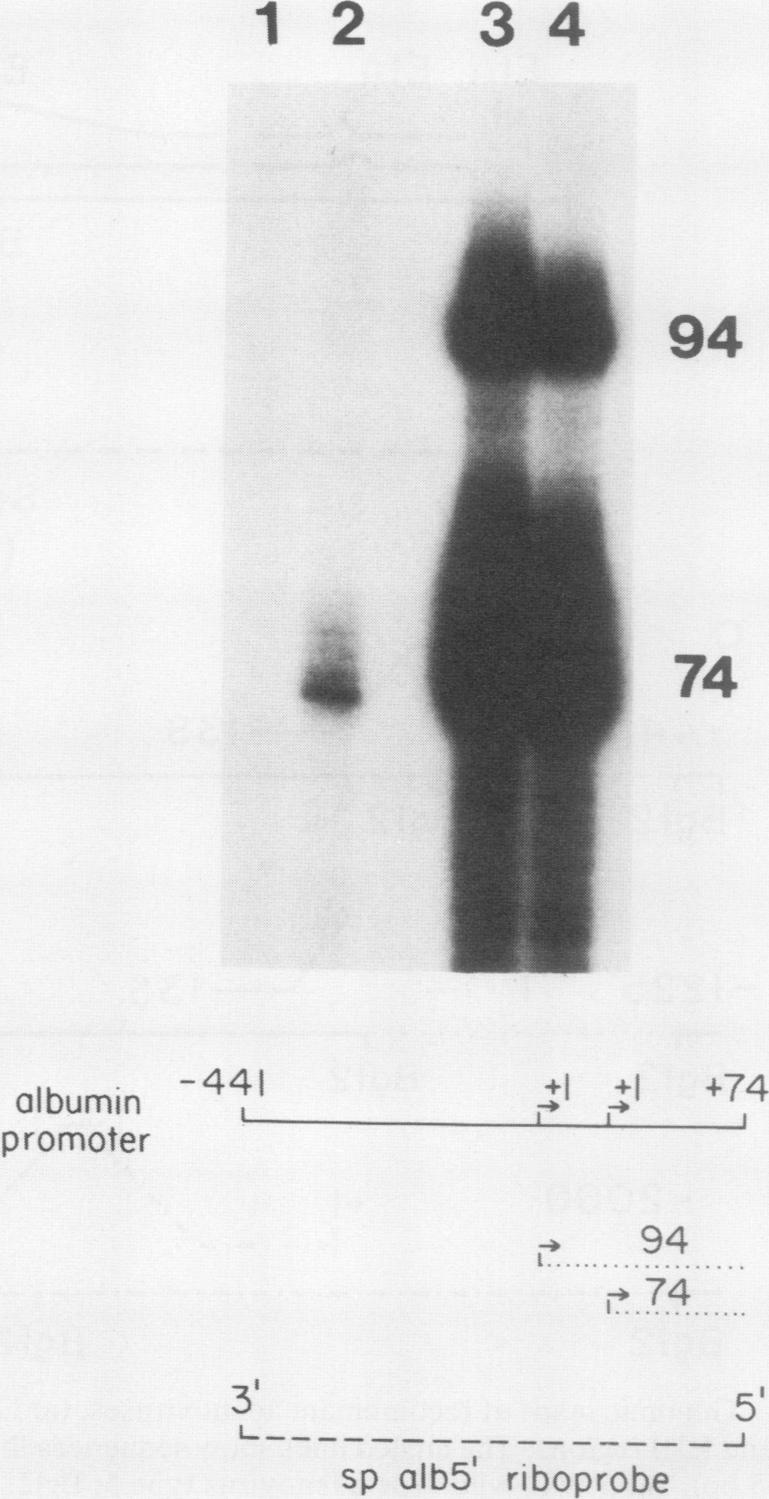
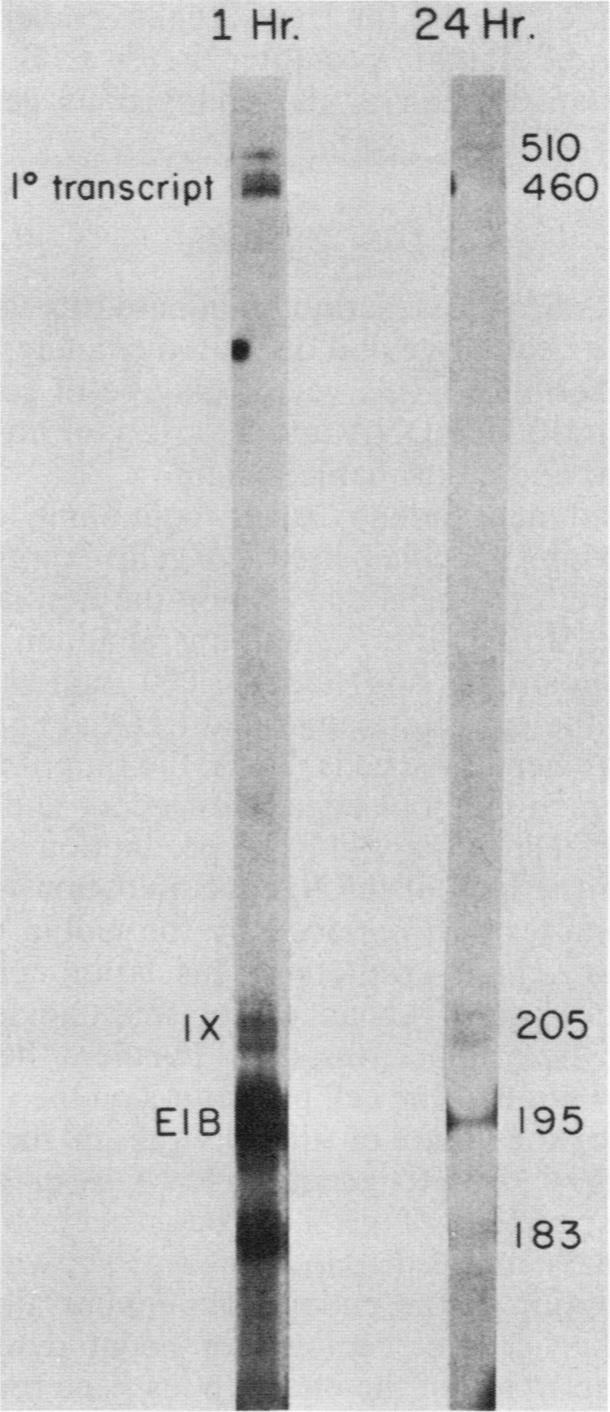
Recombinant adenoviruses were constructed in which the viral E1A gene was deleted and the E1B promoter was replaced by the rat albumin, mouse beta-major globin, or mouse immunoglobulin heavy-chain promoter. After infection of human or rat hepatoma cells, E1B-containing mRNAs could be detected only from the virus containing the albumin promoter. Conversely, only the immunoglobulin promoter was active in virus-infected myeloma cells. However, in hepatoma cells transcription from the albumin promoter in the virus was much less than that of the endogenous cellular albumin gene or of other viral genes. In primary mouse hepatocytes endogenous albumin gene transcription was high immediately after plating but declined within 24 h. Expression of the albumin promoter in the virus paralleled that of the cellular albumin gene. From these results it appears that cell-specific expression of albumin depends on the presence of tissue-specific trans-acting factors, but the presence of such factors does not suffice for a maximal rate of transcription, a conclusion that requires direct comparison within a differentiated cell of a newly introduced and preexisting active cell gene.
构建了重组腺病毒,其中病毒E1A基因被删除,E1B启动子被大鼠白蛋白、小鼠β-珠蛋白或小鼠免疫球蛋白重链启动子取代。在感染人或大鼠肝癌细胞后,仅从含有白蛋白启动子的病毒中可检测到含E1B的mRNA。相反,只有免疫球蛋白启动子在病毒感染的骨髓瘤细胞中具有活性。然而,在肝癌细胞中,病毒中白蛋白启动子的转录远低于内源性细胞白蛋白基因或其他病毒基因。在原代小鼠肝细胞中,内源性白蛋白基因转录在接种后立即很高,但在24小时内下降。病毒中白蛋白启动子的表达与细胞白蛋白基因的表达平行。从这些结果看来,白蛋白的细胞特异性表达取决于组织特异性反式作用因子的存在,但这些因子的存在不足以实现最大转录速率,这一结论需要在分化细胞内对新引入的和预先存在的活性细胞基因进行直接比较。