
在转化的原代大鼠细胞中,E1B区域对腺病毒5型E1A转录的激活作用。
Activation of adenovirus 5 E1A transcription by region E1B in transformed primary rat cells.
作者信息
Jochemsen A G, Peltenburg L T, te Pas M F, de Wit C M, Bos J L, van der Eb A J
机构信息
Department of Medical Biochemistry, Sylvius Laboratories, University of Leiden, The Netherlands.
出版信息
EMBO J. 1987 Nov;6(11):3399-405. doi: 10.1002/j.1460-2075.1987.tb02663.x.
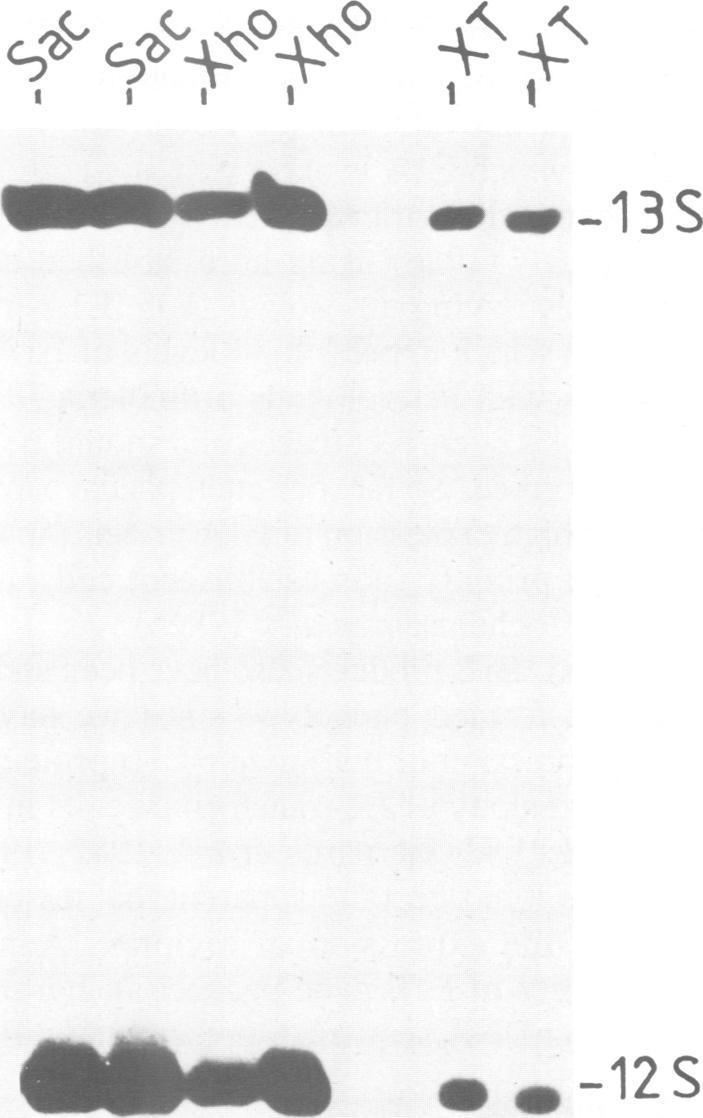
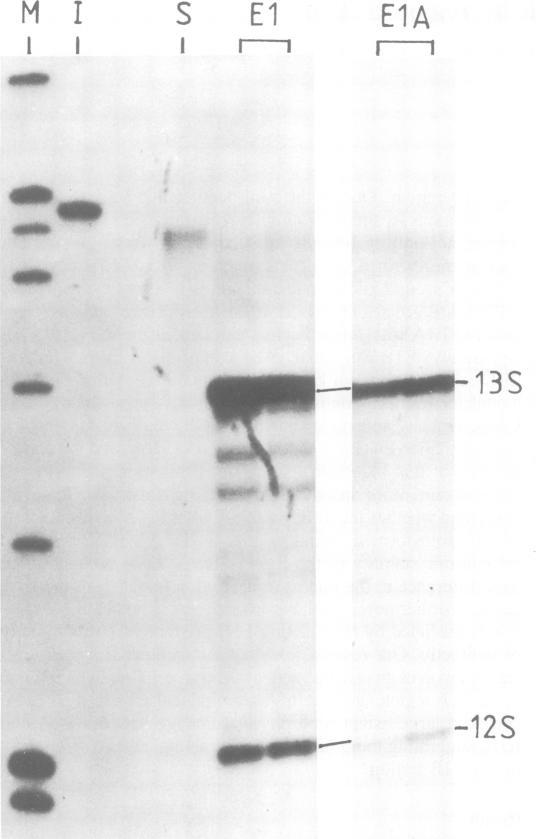
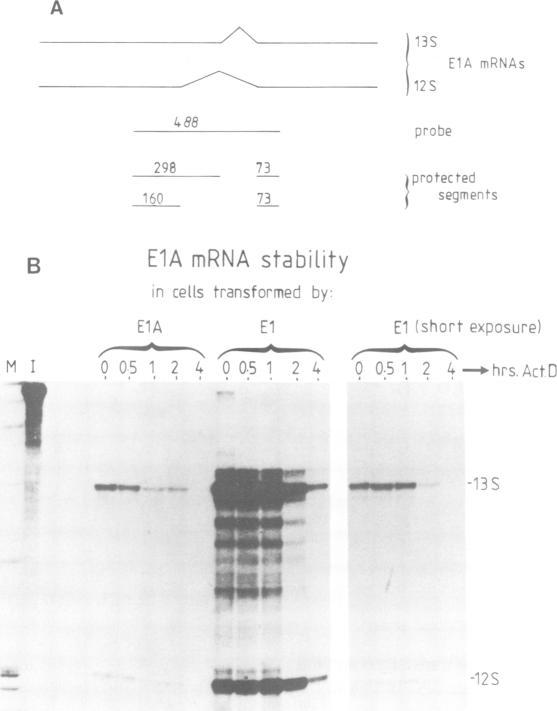
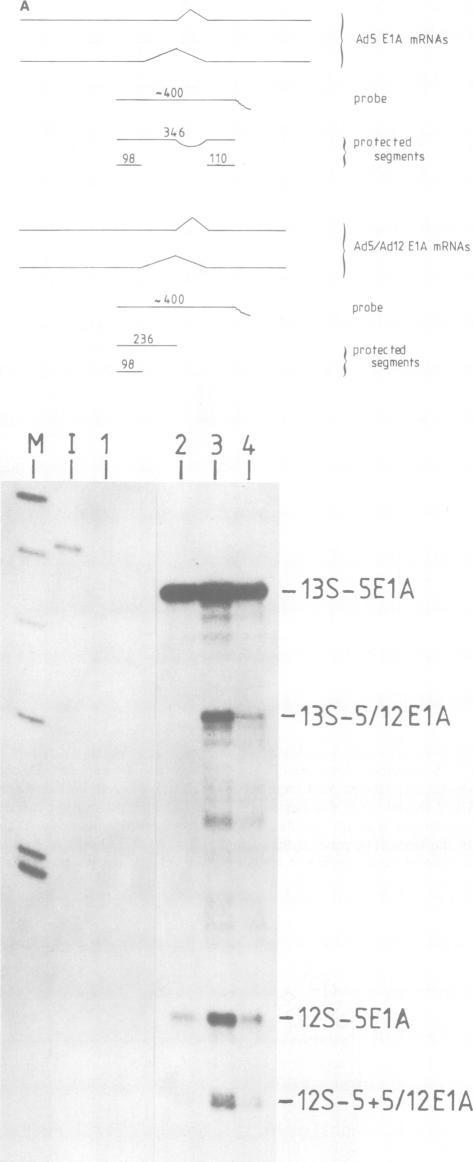
The human adenovirus 5 E1A region can immortalize primary cultures of baby rat kidney cells, but requires the presence of the E1B region for complete oncogenic transformation. One of the effects of the E1B region in the transformation process is the activation of E1A expression. We have investigated the mechanism of this stimulation of E1A expression using nuclear run-on assays with nuclei from Ad5 E1A- and Ad5 E1-transformed cells. It was found that E1B enhances E1A at the level of transcription-initiation. This activation is mainly observed when the E1A and E1B regions are integrated simultaneously into the cellular genome and only minimally when these genes are integrated separately, strongly suggesting that a close physical linkage of these regions is essential for the observed effect.
人腺病毒5型E1A区域可使新生大鼠肾细胞的原代培养物永生化,但完全致癌转化需要E1B区域的存在。E1B区域在转化过程中的一个作用是激活E1A表达。我们使用来自Ad5 E1A转化细胞和Ad5 E1转化细胞的细胞核进行核转录分析,研究了这种E1A表达刺激的机制。发现E1B在转录起始水平增强E1A。这种激活主要在E1A和E1B区域同时整合到细胞基因组中时观察到,而当这些基因分别整合时则极少观察到,这强烈表明这些区域的紧密物理连接对于观察到的效应至关重要。


 Zotero 插件