Department of Forest Biomaterials and Technology, Swedish University of Agricultural Sciences, SE-90183, Umeå, Sweden.
Department of Chemical Sciences, University of Limerick, Castletroy, V94 T9PX, Limerick, Ireland.
Environ Sci Pollut Res Int. 2018 Dec;25(36):35874-35882. doi: 10.1007/s11356-018-1463-y. Epub 2018 Feb 26.
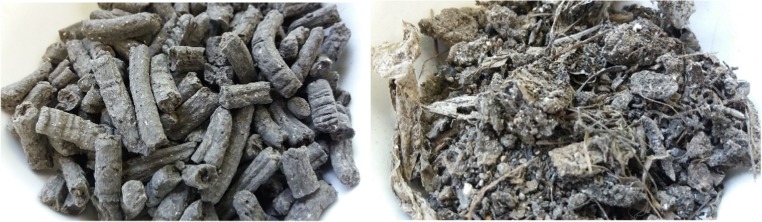
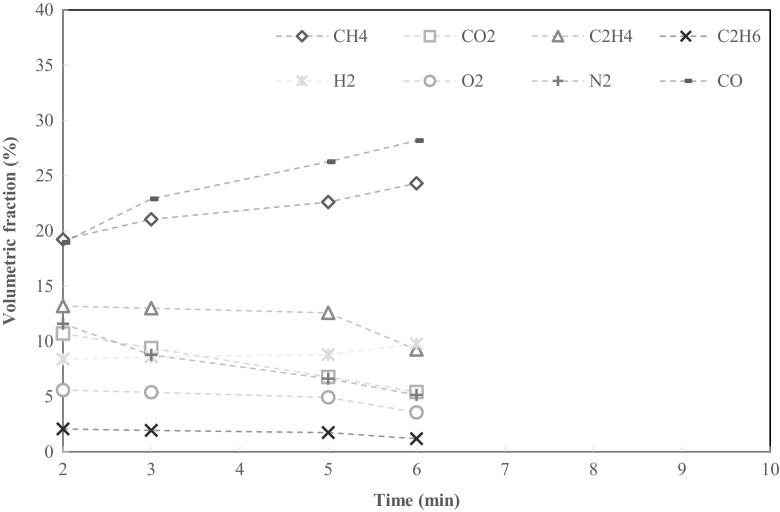
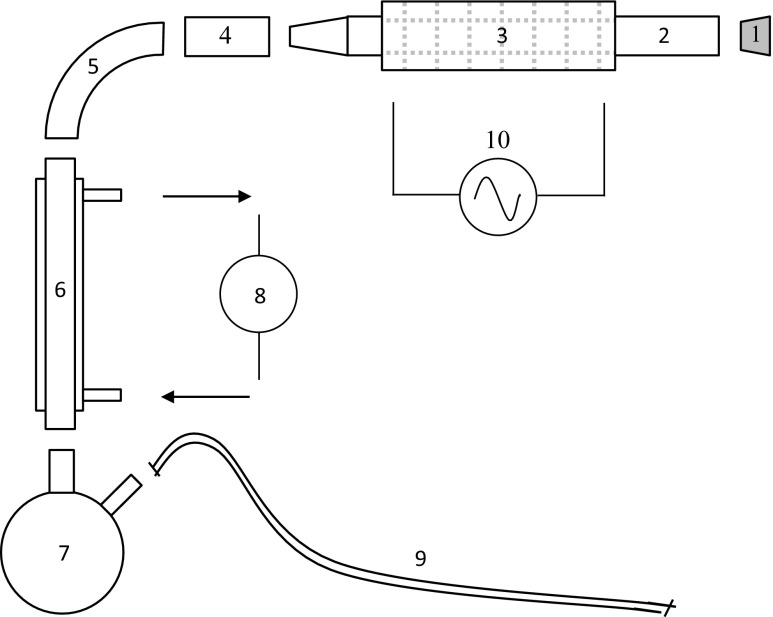
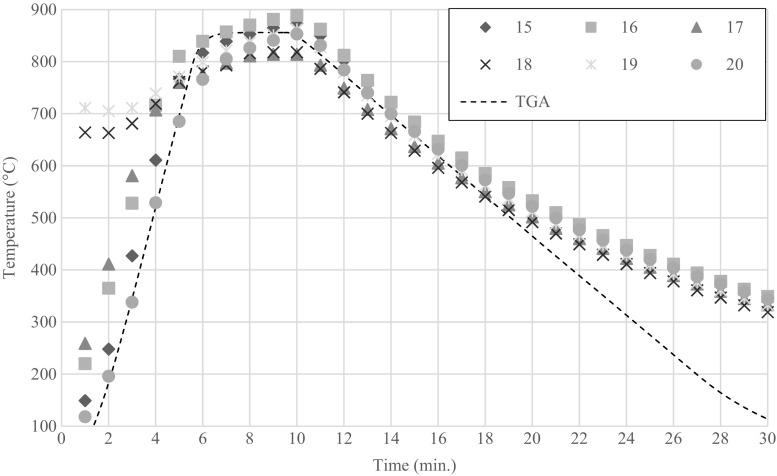
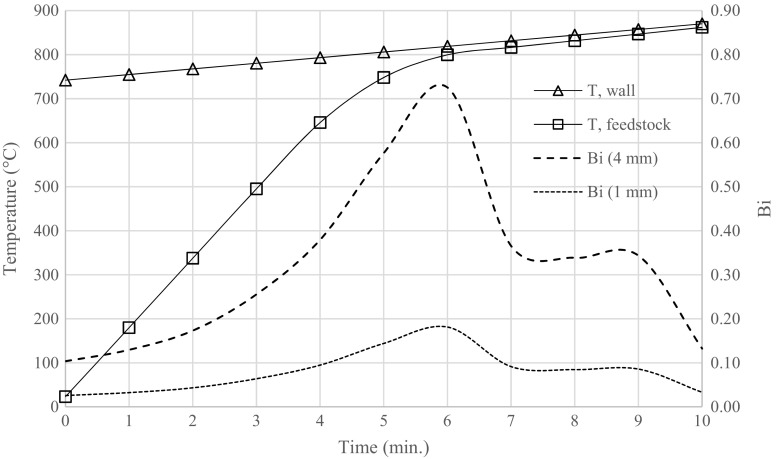
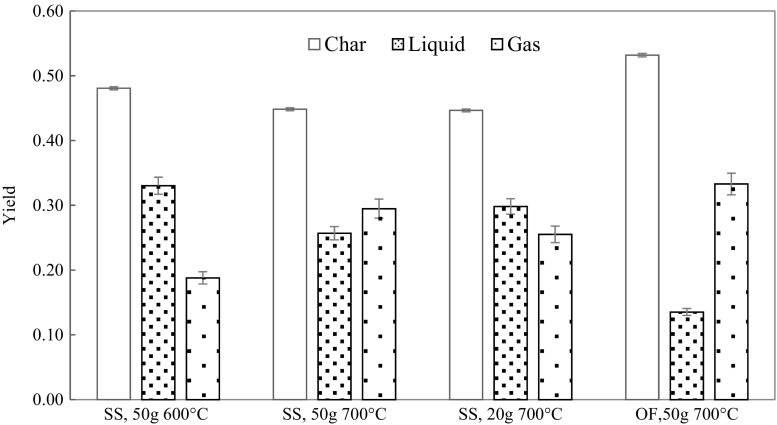
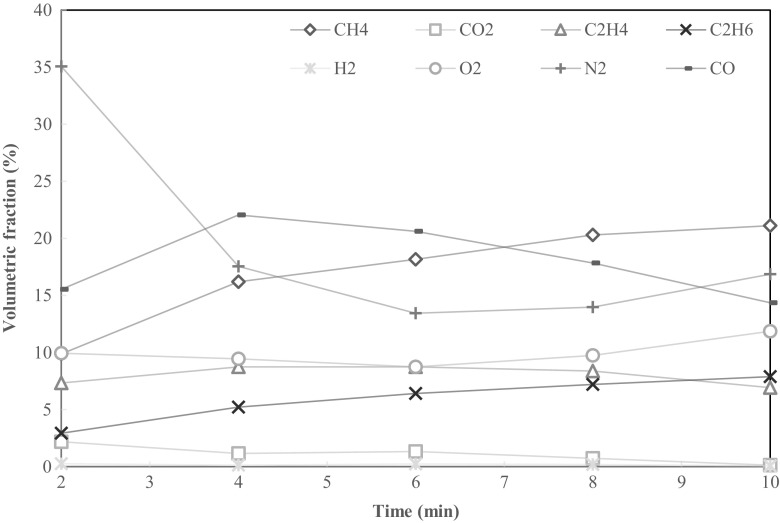
Sludge from municipal wastewater treatment plants and organic fines from mechanical sorting of municipal solid waste (MSW) are two common widespread waste streams that are becoming increasingly difficult to utilise. Changing perceptions of risk in food production has limited the appeal of sludge use on agricultural land, and outlets via landfilling are diminishing rapidly. These factors have led to interest in thermal conversion technologies whose aim is to recover energy and nutrients from waste while reducing health and environmental risks associated with material re-use. Pyrolysis yields three output products: solid char, liquid oils and gas. Their relative distribution depends on process parameters which can be somewhat optimised depending on the end use of product. The potential of pyrolysis for the conversion of wastewater sludge (SS) and organic fines of MSW (OF) to a combustion gas and a carbon-rich char has been investigated. Pyrolysis of SS and OF was done using a laboratory fixed-bed reactor. Herein, the physical characterisation of the reactor is described, and results on pyrolysis yields are presented. Feedstock and chars have been characterised using standard laboratory methods, and the composition of pyrolysis gases was analysed using micro gas chromatography. Product distribution (char/liquid/gas) from the pyrolysis of sewage sludge and composted MSW fines at 700°C for 10 min were 45/26/29 and 53/14/33%, respectively. The combustible fractions of pyrolysis gases range from 36 to 54% for SS feedstock and 62 to 72% from OF. The corresponding lower heating value range of sampled gases were 11.8-19.1 and 18.2-21.0 MJ m, respectively.
城市污水处理厂的污泥和城市固体废物(MSW)机械分拣的有机细粒是两种常见的广泛存在的废物,它们越来越难以利用。人们对食品生产风险的看法发生了变化,限制了污泥在农业用地上的应用,而通过填埋处理的出路也在迅速减少。这些因素导致人们对热转换技术产生了兴趣,其目的是从废物中回收能源和营养物质,同时降低与材料再利用相关的健康和环境风险。热解产生三种产物:固体炭、液体油和气。它们的相对分布取决于工艺参数,这些参数可以根据产品的最终用途进行一定程度的优化。已经研究了利用热解将废水污泥(SS)和 MSW 有机细粒(OF)转化为燃烧气体和富碳炭的可能性。使用实验室固定床反应器进行 SS 和 OF 的热解。本文介绍了该反应器的物理特性,并给出了热解产率的结果。使用标准实验室方法对原料和炭进行了表征,并使用微气相色谱法分析了热解气体的组成。在 700°C 下 10 分钟,污水污泥和堆肥 MSW 细粒的热解产物分布(炭/液体/气体)分别为 45/26/29 和 53/14/33%。SS 原料热解气体的可燃部分在 36%至 54%之间,OF 为 62%至 72%。所采样气体的相应低位发热值范围分别为 11.8-19.1 和 18.2-21.0 MJ/m。