Institute of Genomics and Systems Biology, University of Chicago, Chicago, United States.
Department of Medicine, University of Chicago, Chicago, United States.
Elife. 2018 Feb 27;7:e30756. doi: 10.7554/eLife.30756.
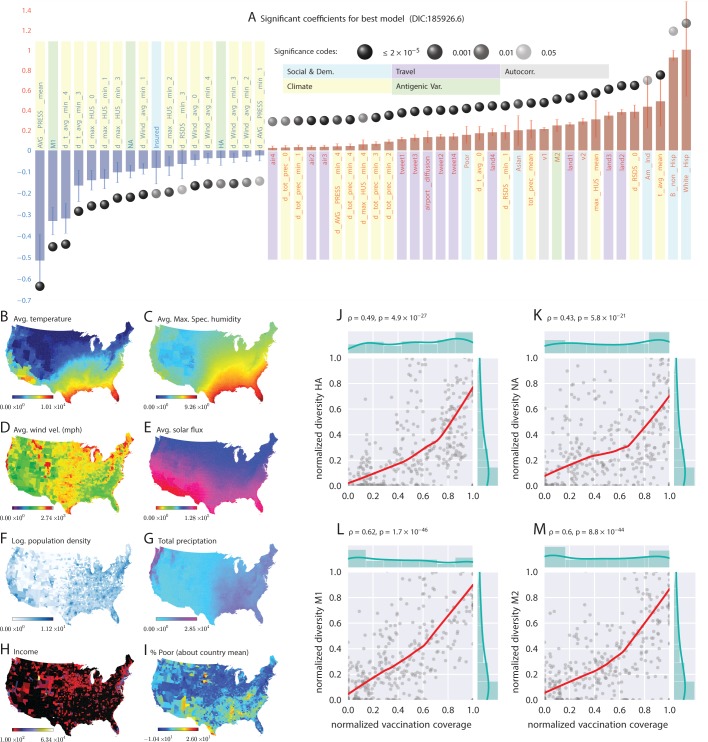
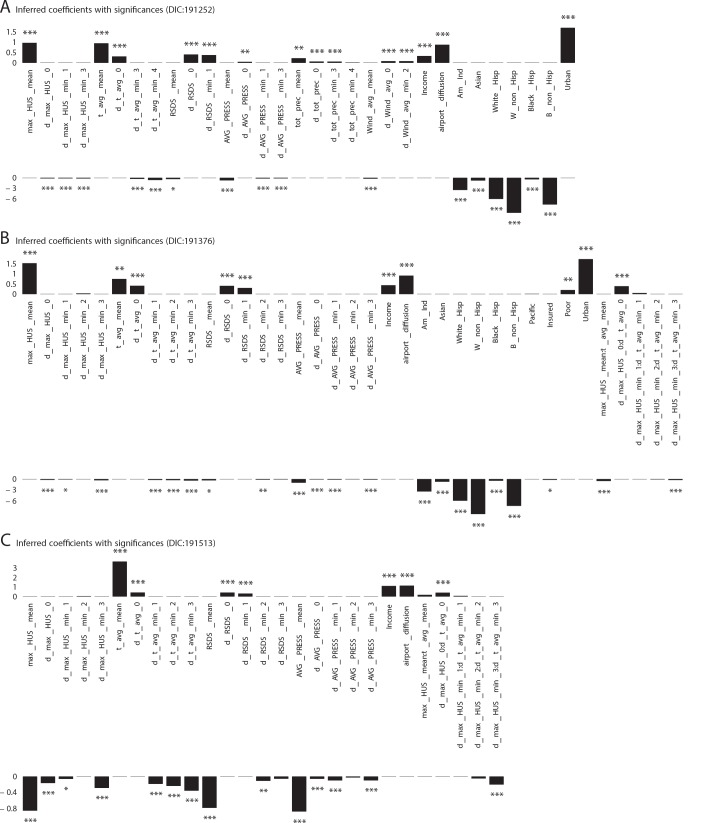
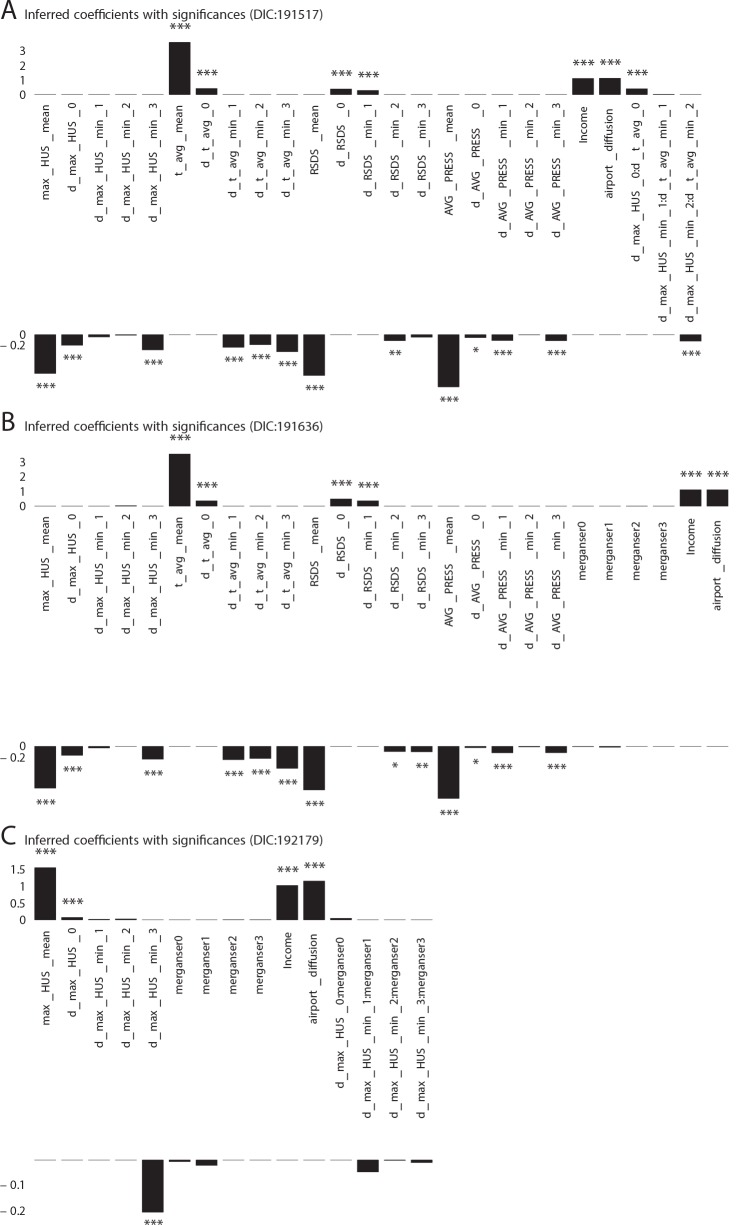
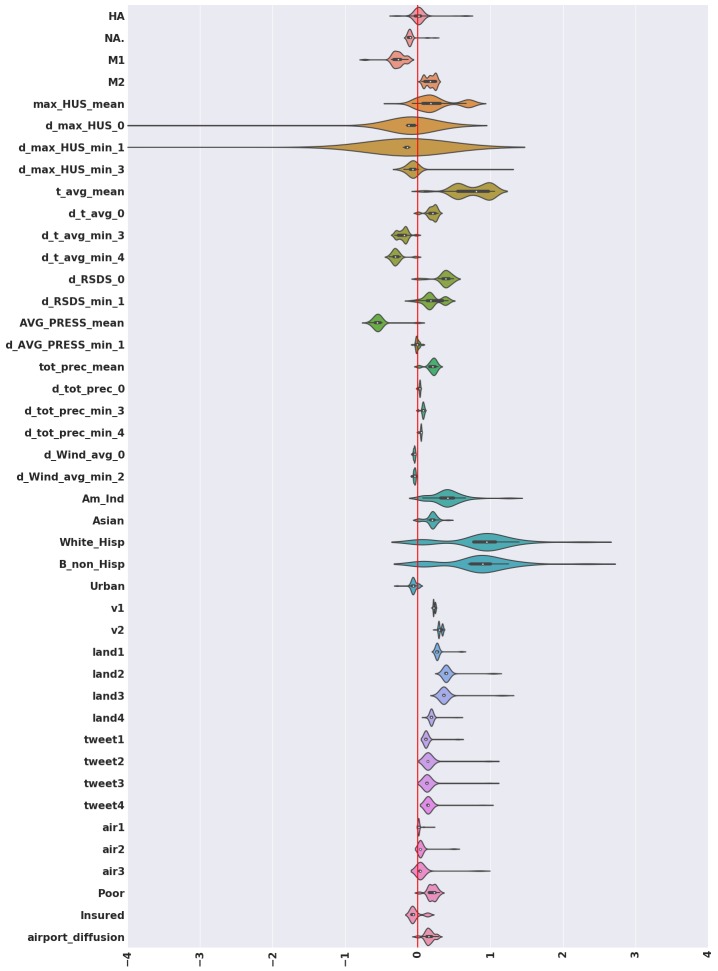
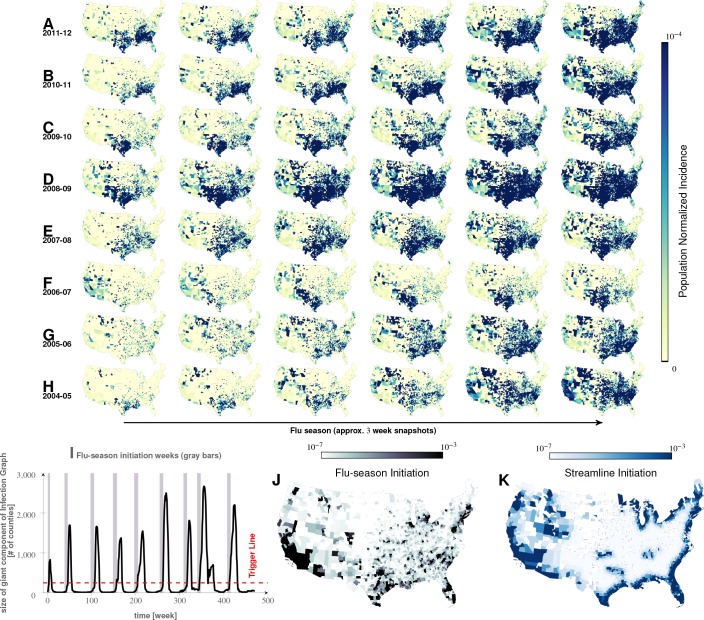
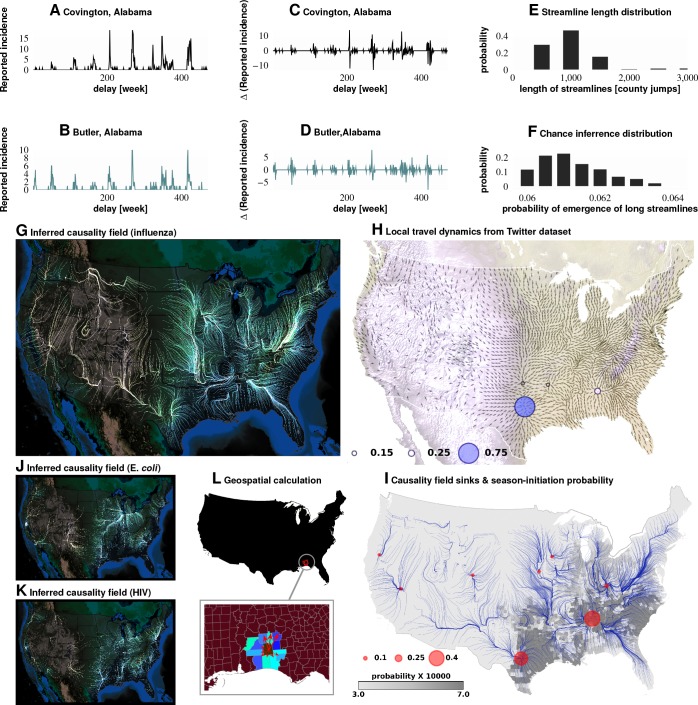
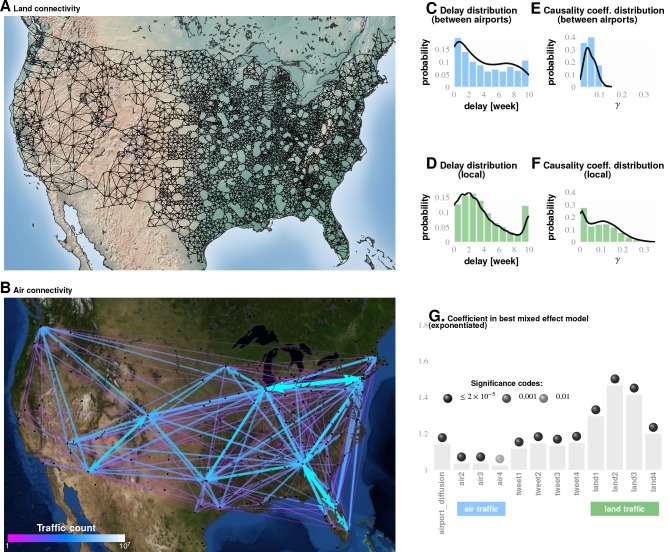
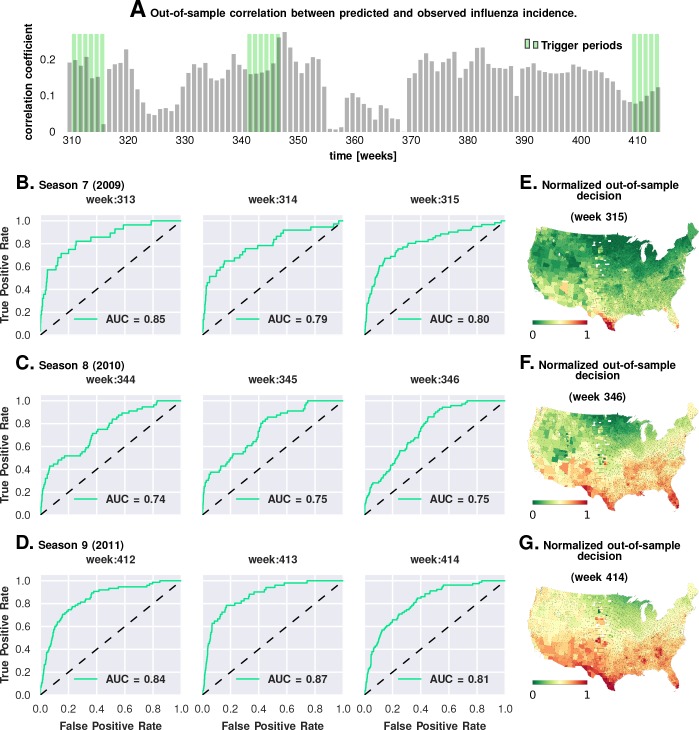
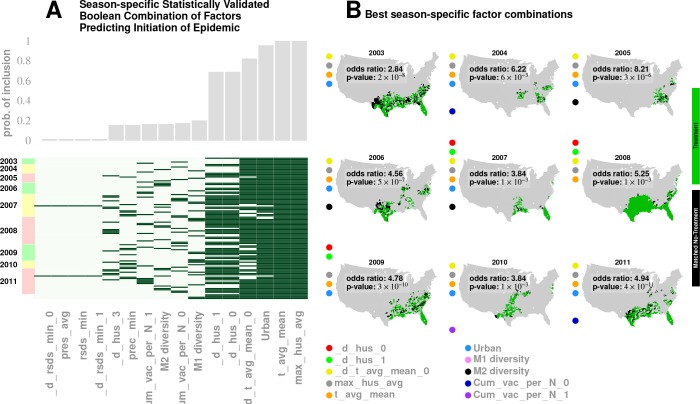
Using several longitudinal datasets describing putative factors affecting influenza incidence and clinical data on the disease and health status of over 150 million human subjects observed over a decade, we investigated the source and the mechanistic triggers of influenza epidemics. We conclude that the initiation of a pan-continental influenza wave emerges from the simultaneous realization of a complex set of conditions. The strongest predictor groups are as follows, ranked by importance: (1) the host population's socio- and ethno-demographic properties; (2) weather variables pertaining to specific humidity, temperature, and solar radiation; (3) the virus' antigenic drift over time; (4) the host population'€™s land-based travel habits, and; (5) recent spatio-temporal dynamics, as reflected in the influenza wave auto-correlation. The models we infer are demonstrably predictive (area under the Receiver Operating Characteristic curve 80%) when tested with out-of-sample data, opening the door to the potential formulation of new population-level intervention and mitigation policies.
我们利用多个描述可能影响流感发病率的因素的纵向数据集,以及超过 1.5 亿人类个体的疾病和健康状况的临床数据,研究了流感流行的源头和机制触发因素。我们的结论是,泛大陆流感波的开始源于一系列复杂条件的同时实现。最重要的预测因素组如下,按重要性排序:(1) 宿主人群的社会和民族人口统计学特征;(2) 特定湿度、温度和太阳辐射的天气变量;(3) 病毒随时间的抗原漂移;(4) 宿主人群的陆地旅行习惯;以及(5) 流感波自相关反映的近期时空动态。我们推断的模型在使用样本外数据进行测试时具有明显的预测能力(接收者操作特征曲线下面积 80%),为制定新的人群干预和缓解政策开辟了道路。