Department of Chemistry, University of California San Diego, La Jolla, CA, USA.
Department of Computer of Science and Engineering, University of California San Diego, La Jolla, CA, USA.
Sci Rep. 2018 Feb 27;8(1):3669. doi: 10.1038/s41598-018-21541-4.
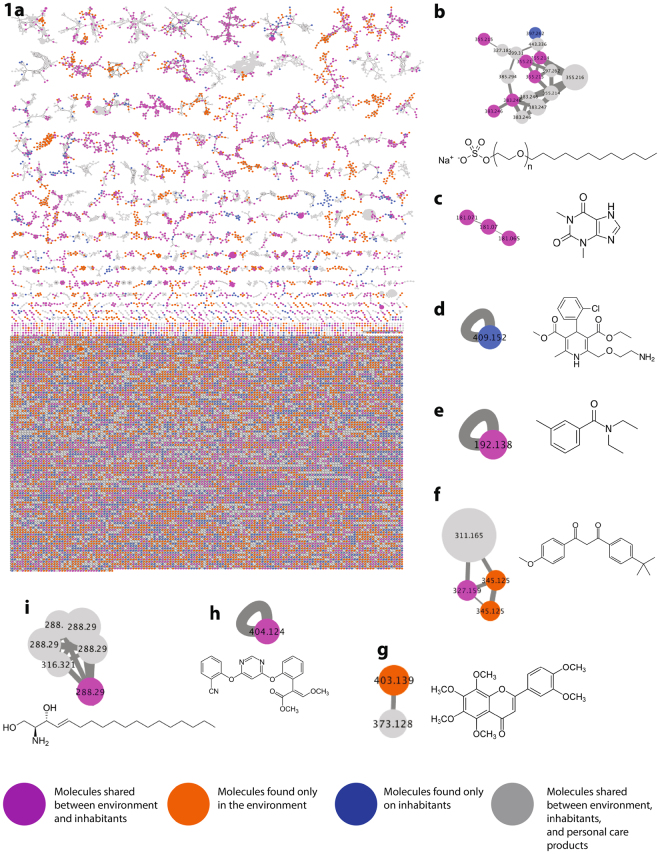
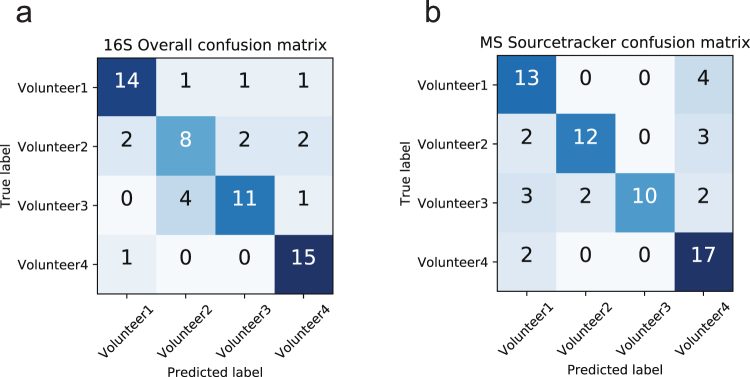
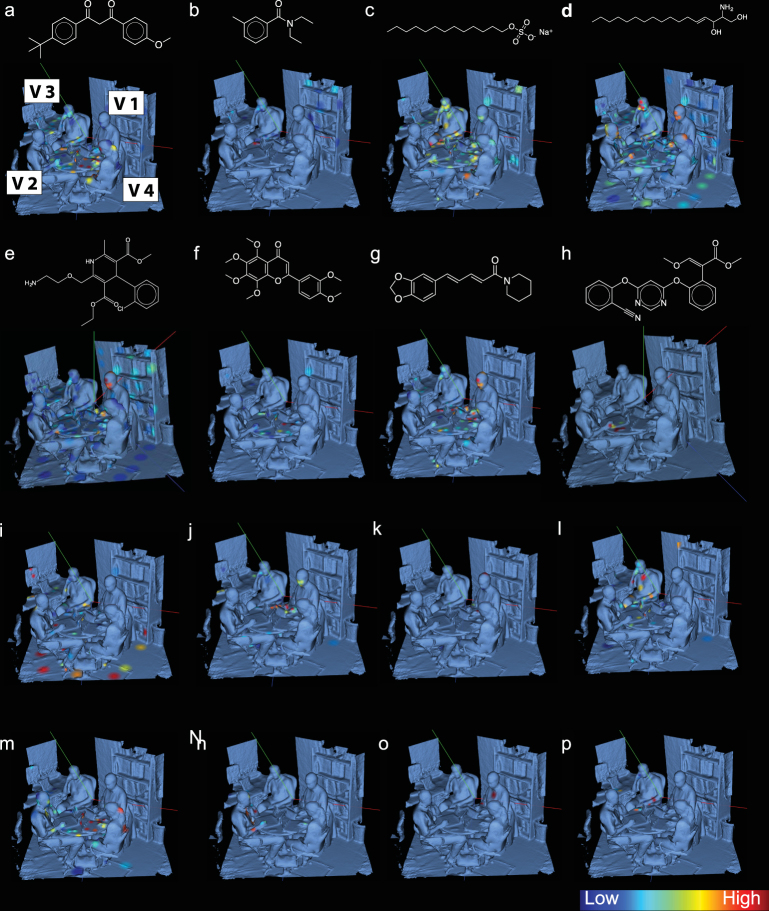
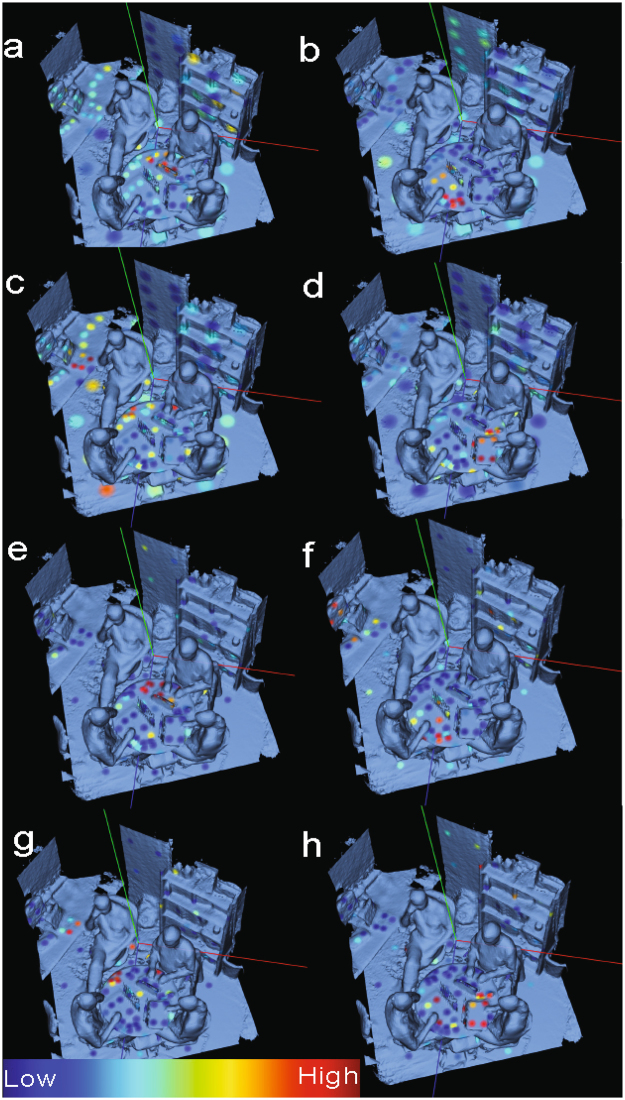
One of the goals of forensic science is to identify individuals and their lifestyle by analyzing the trace signatures left behind in built environments. Here, microbiome and metabolomic methods were used to see how its occupants used an office and to also gain insights into the lifestyle characteristics such as diet, medications, and personal care products of the occupants. 3D molecular cartography, a molecular visualization technology, was used in combination with mass spectrometry and microbial inventories to highlight human-environmental interactions. Molecular signatures were correlated with the individuals as well as their interactions with this indoor environment. There are person-specific chemical and microbial signatures associated with this environment that directly relate who had touched objects such as computers, computer mice, cell phones, desk phone, table or desks. By combining molecular and microbial investigation forensic strategies, this study offers novel insights to investigators who value the reconstructing of human lifestyle and characterization of human environmental interaction.
法医学的目标之一是通过分析在建筑环境中留下的痕量特征来识别个体及其生活方式。在这里,微生物组学和代谢组学方法被用于了解其居住者如何使用办公室,并深入了解居住者的生活方式特征,如饮食、药物和个人护理产品。3D 分子制图,一种分子可视化技术,与质谱和微生物目录相结合,突出了人类与环境的相互作用。分子特征与个体以及他们与室内环境的相互作用相关联。与这个环境相关联的有个体特异性的化学和微生物特征,这些特征直接关系到谁触摸过电脑、电脑鼠标、手机、办公电话、桌子或桌子等物体。通过结合分子和微生物调查取证策略,本研究为重视重建人类生活方式和人类环境相互作用特征的调查人员提供了新的见解。