Biology and the Built Environment Center, University of Oregon, Eugene, OR.
Department of Civil and Environmental Engineering, Northwestern University, Evanston, IL.
Indoor Air. 2019 Nov;29(6):880-894. doi: 10.1111/ina.12596. Epub 2019 Sep 6.
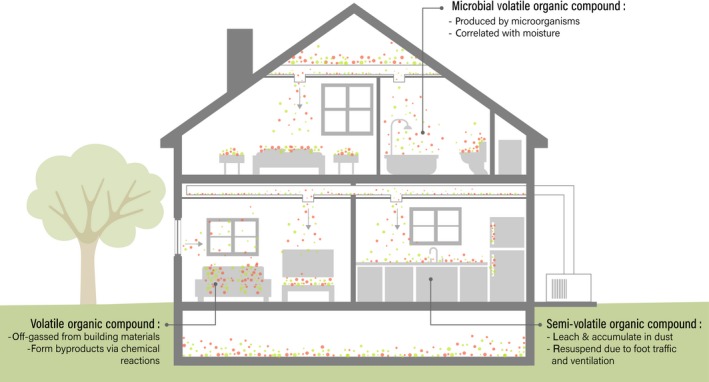
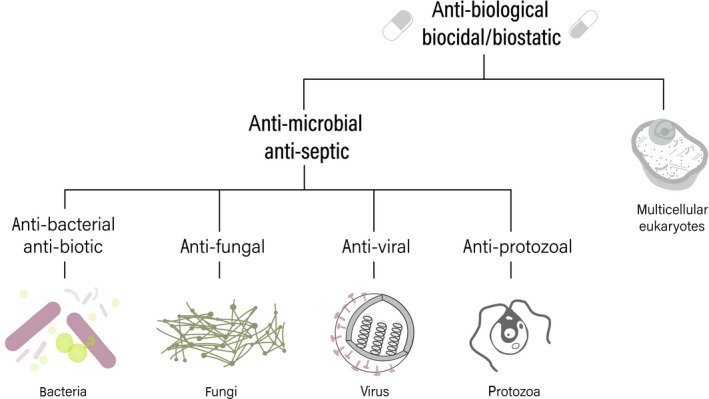
Since the advent of soap, personal hygiene practices have revolved around removal, sterilization, and disinfection-both of visible soil and microscopic organisms-for a myriad of cultural, aesthetic, or health-related reasons. Cleaning methods and products vary widely in their recommended use, effectiveness, risk to users or building occupants, environmental sustainability, and ecological impact. Advancements in science and technology have facilitated in-depth analyses of the indoor microbiome, and studies in this field suggest that the traditional "scorched-earth cleaning" mentality-that surfaces must be completely sterilized and prevent microbial establishment-may contribute to long-term human health consequences. Moreover, the materials, products, activities, and microbial communities indoors all contribute to, or remove, chemical species to the indoor environment. This review examines the effects of cleaning with respect to the interaction of chemistry, indoor microbiology, and human health.
自从肥皂问世以来,个人卫生习惯就围绕着去除、消毒和杀菌展开——无论是去除肉眼可见的污垢还是微观生物——这出于无数文化、审美或健康相关的原因。清洁方法和产品在推荐用途、有效性、对使用者或建筑物居住者的风险、环境可持续性和生态影响方面差异很大。科学技术的进步促进了对室内微生物组的深入分析,该领域的研究表明,传统的“焦土式清洁”理念——即表面必须完全消毒并防止微生物定植——可能会对人类健康产生长期影响。此外,室内的材料、产品、活动和微生物群落都会向室内环境中添加或去除化学物质。本文综述了清洁对化学、室内微生物学和人类健康相互作用的影响。