Laboratory of Neuroimmunology, Fondazione Santa Lucia, Rome, 00143, Italy.
Institute of Experimental Oncology and Endocrinology, National Research Council (IEOS-CNR), Treg Cell Lab, Naples, 80131, Italy.
Sci Rep. 2018 Feb 27;8(1):3674. doi: 10.1038/s41598-018-21861-5.
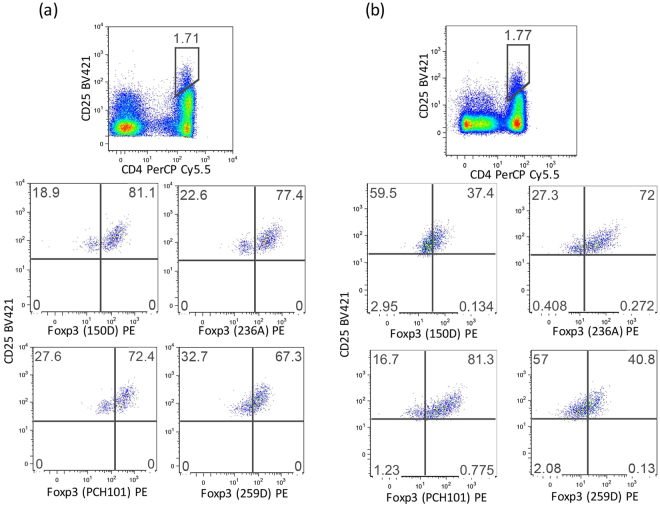
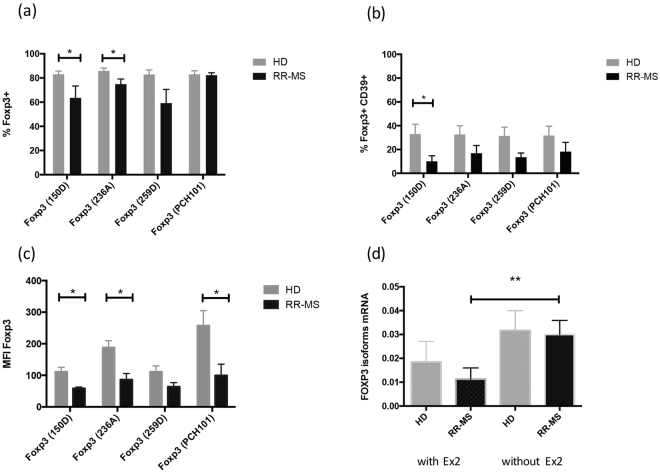
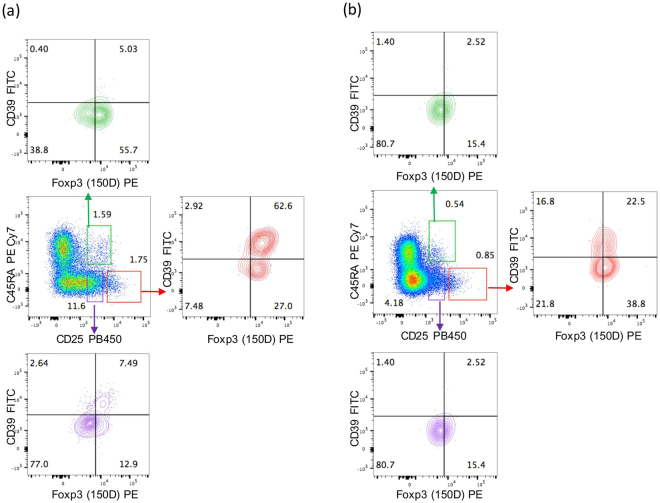
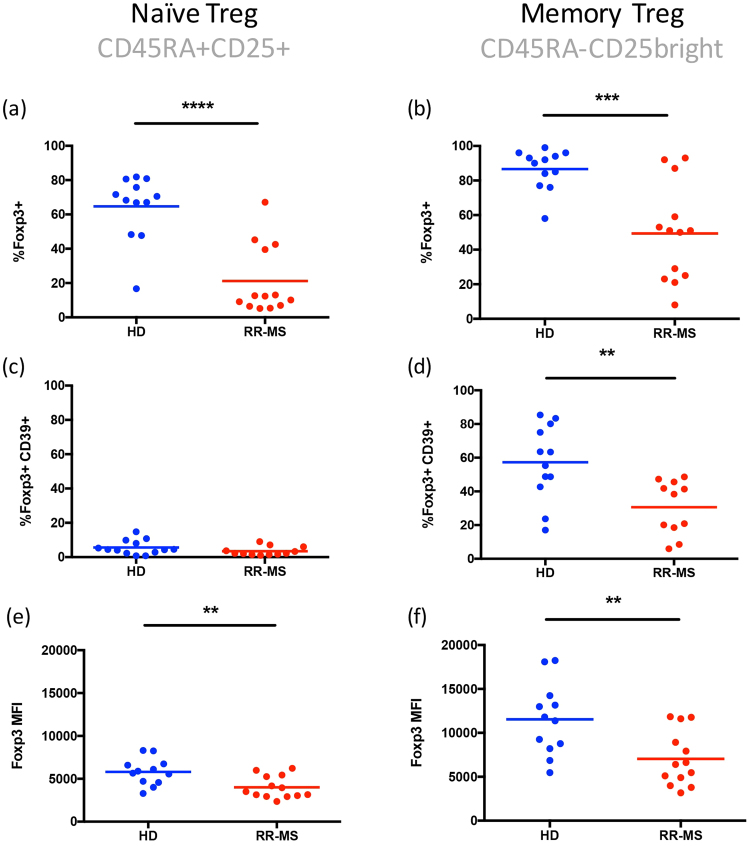
Forkhead box P3 (FoxP3)+ regulatory T cells (Treg) are powerful mediators of immune regulation and immune homeostasis. In humans, Tregs are a heterogeneous population expressing surface markers which define phenotypically and functionally distinct subsets. Moreover, it is now clear that intracellular staining for FoxP3 does not unequivocally identify "true" suppressor cells, since several FoxP3 isoforms exist, and different reagents for FoxP3 detection are available. Here, we propose a strategy to identify potentially functional and suppressive Treg cells in an autoimmune disease like multiple sclerosis, and we suggest that in patients affected by this disease these cells are both reduced in number and functionally exhausted.
叉头框蛋白 P3(FoxP3)+调节性 T 细胞(Treg)是免疫调节和免疫稳态的强大介质。在人类中,Tregs 是一个异质性群体,表达表面标记物,这些标记物定义了表型和功能上不同的亚群。此外,现在很清楚,FoxP3 的细胞内染色不能明确识别“真正”的抑制细胞,因为存在几种 FoxP3 异构体,并且有不同的 FoxP3 检测试剂可用。在这里,我们提出了一种在多发性硬化症等自身免疫性疾病中识别潜在功能和抑制性 Treg 细胞的策略,我们认为在患有这种疾病的患者中,这些细胞的数量减少且功能耗竭。