Department of Gastrointestinal Surgery, Institute of Gastrointestinal Oncology, Zhongshan Hospital, Xiamen University, Xiamen, Fujian, 361004, China.
National Center for International Research of Biological Targeting Diagnosis and Therapy/Guangxi Key Laboratory of Biological Targeting Diagnosis and Therapy Research/Collaborative Innovation Center for Targeting Tumor Diagnosis and Therapy, Guangxi Medical University, Nanning, Guangxi, 530021, China.
J Exp Clin Cancer Res. 2018 Mar 2;37(1):42. doi: 10.1186/s13046-018-0712-8.
Anti-CD105 mAb-conjugated immunoliposomes, loaded with secreted mouse endostatin gene, were developed for targeted tumor imaging and antiangiogenic gene therapy.
The liposomes were investigated for size, zeta-potential, lipid content, antibody binding ability, and pcDNA loading capacity. The ability of immunoliposomes to target tumor-derived endothelial cells and perform gene transfer in vitro was measured and their basic biocompatibility was evaluated. A nude mouse/breast cancer xenograft model was used to examine the tumor internalization of fluorescent-labeled liposomes and the clinical potential of immnuoliposomes loaded with pcDNA3.1-CSF1-endostatin.
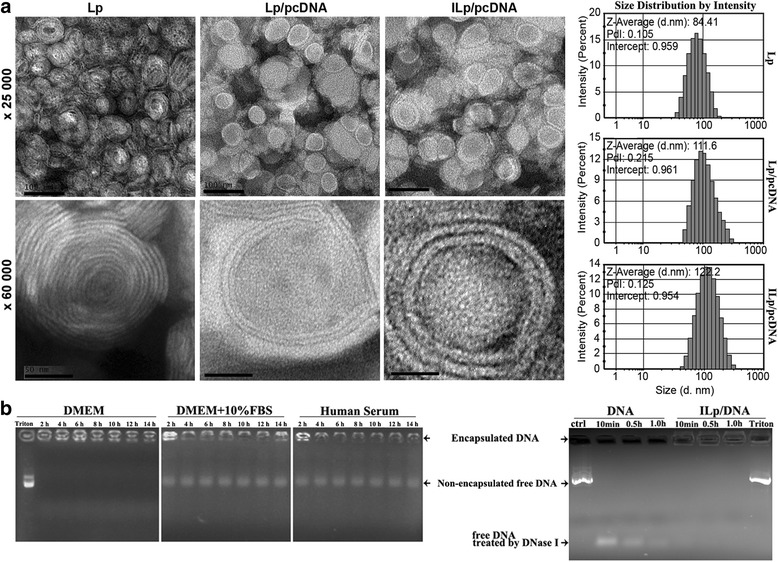
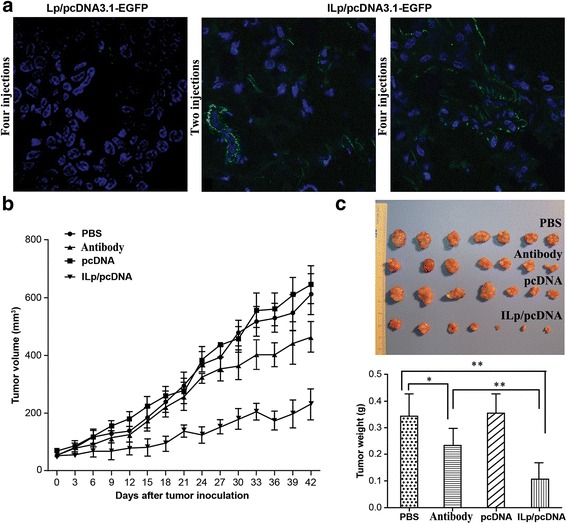
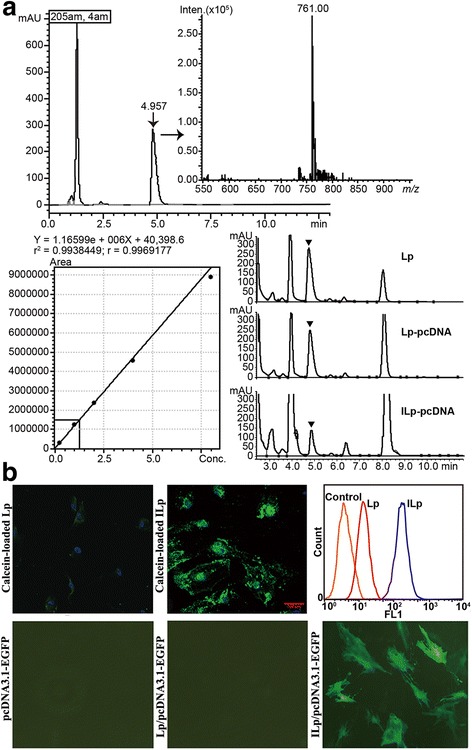
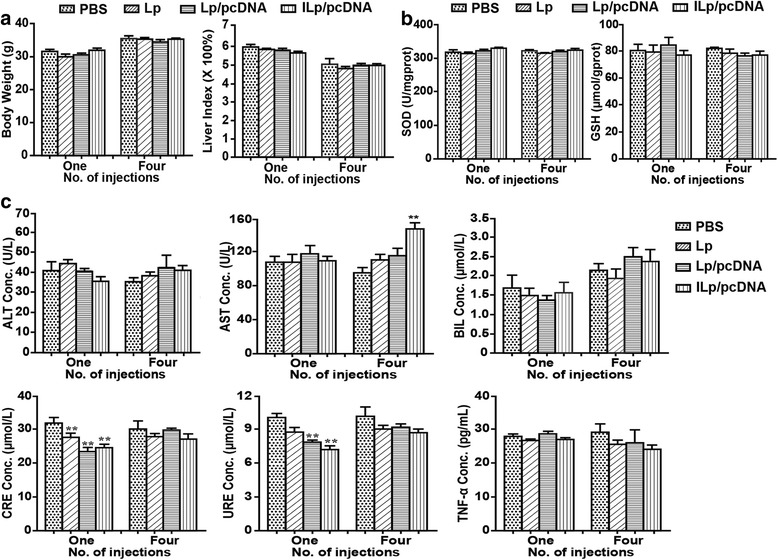
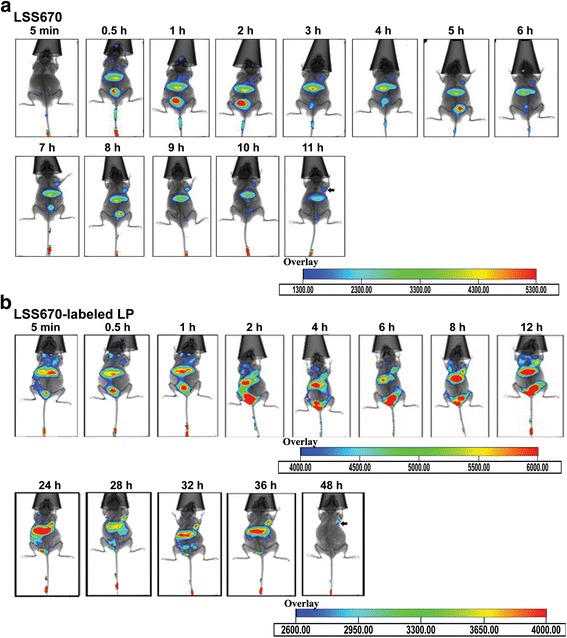
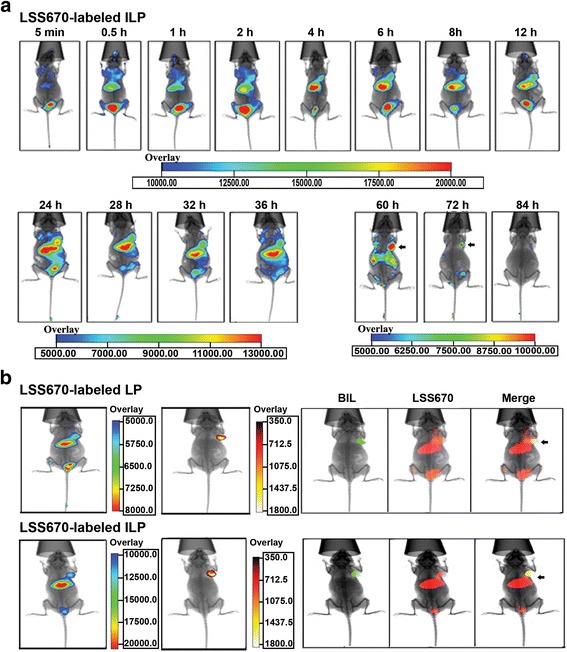
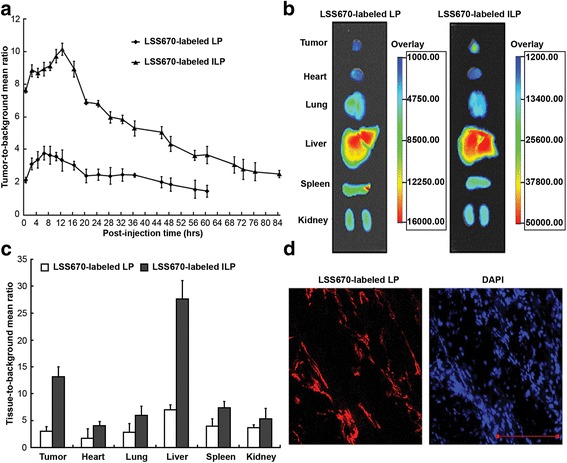
Loaded immunoliposomes were homogenously distributed with a well-defined spherical shape and bilayer, diameter of 122 ± 11 nm, and zeta potential + 1.40 mV. No significant differences were observed in body weight, liver index, oxidative stress, or liver and kidney function in mice after liposomes exposure. The addition of CD105 mAb to liposomes conferred the ability to target tumor-derived endothelial cells in vitro and in vivo. Systemic intravenous administration of fluorescent immunoliposomes in the xenograft model resulted in selective and efficient internalization in tumor vasculature. Treatment of mice with pcDNA3.1-CSF1-endostatin-loaded immunoliposomes suppressed tumor growth by 71%.
These data demonstrate the advantages of using anti-CD105 mAb-conjugated immunoliposomes to enhance tumor targeting, imaging, and gene transfer applications.
载有分泌型小鼠内皮抑素基因的抗 CD105 mAb 偶联免疫脂质体被开发用于靶向肿瘤成像和抗血管生成基因治疗。
研究了脂质体的粒径、Zeta 电位、脂质含量、抗体结合能力和 pcDNA 载量。测量了免疫脂质体靶向肿瘤源性内皮细胞并在体外进行基因转导的能力,并评估了其基本生物相容性。使用裸鼠/乳腺癌异种移植模型研究了荧光标记脂质体的肿瘤内化和载有 pcDNA3.1-CSF1-内皮抑素的免疫脂质体的临床潜力。
负载的免疫脂质体均匀分布,具有明确的球形和双层结构,直径为 122±11nm,Zeta 电位为+1.40mV。脂质体暴露后,小鼠的体重、肝指数、氧化应激或肝肾功能无明显差异。将 CD105 mAb 加入脂质体赋予了体外和体内靶向肿瘤源性内皮细胞的能力。在异种移植模型中,静脉内给予荧光免疫脂质体可选择性地有效内化肿瘤血管。用载有 pcDNA3.1-CSF1-内皮抑素的免疫脂质体治疗小鼠可抑制肿瘤生长 71%。
这些数据表明,使用抗 CD105 mAb 偶联免疫脂质体增强肿瘤靶向、成像和基因转导应用具有优势。