Guangzhou Institute of Cardiovascular Disease, the Second Affiliated Hospital of Guangzhou Medical University, Guangzhou, 510260, Guangdong, China.
Cell Death Dis. 2018 Mar 2;9(3):357. doi: 10.1038/s41419-018-0392-5.
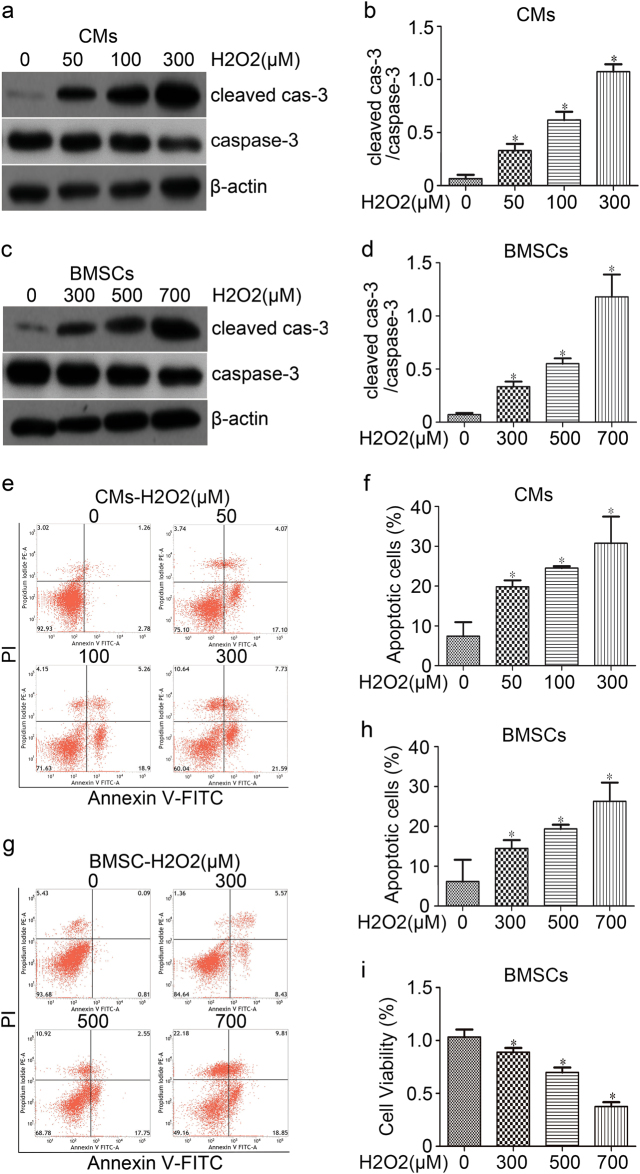
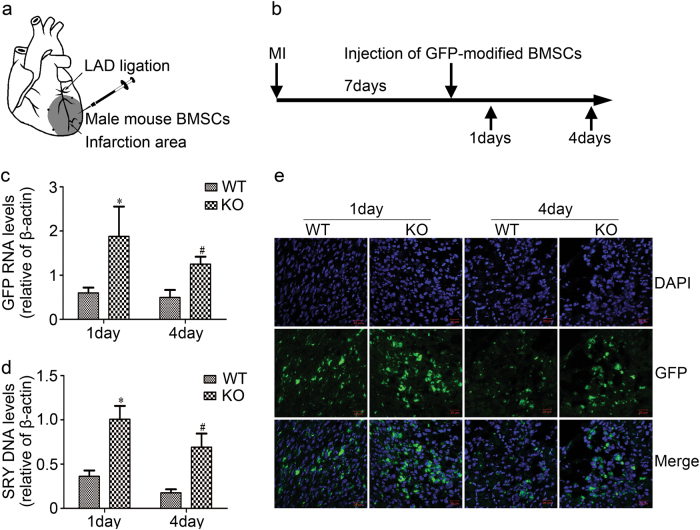
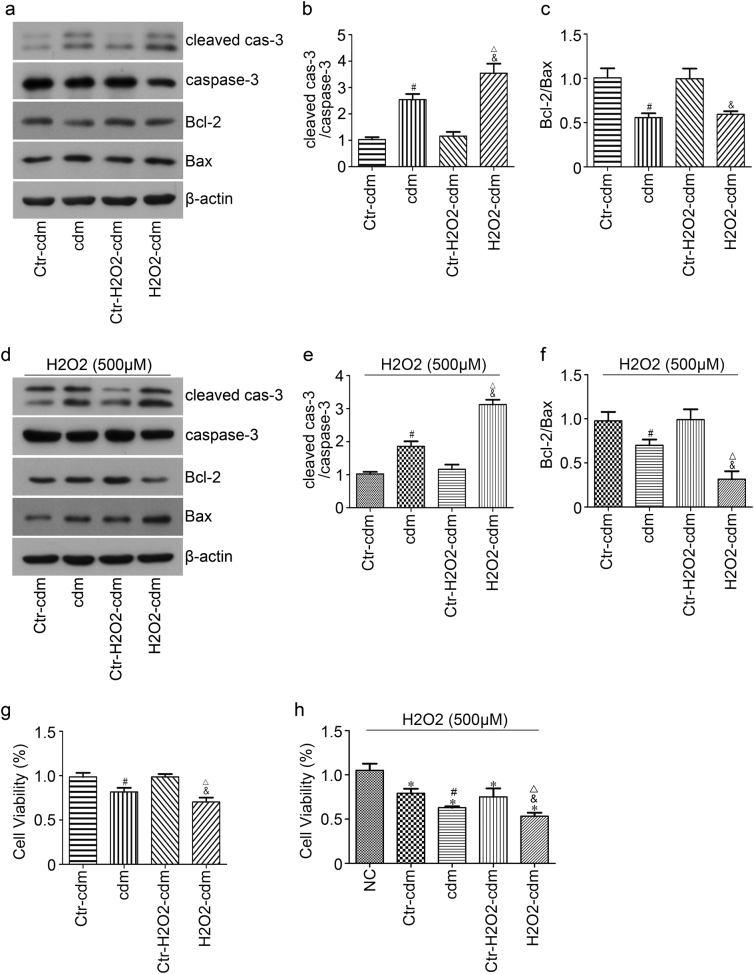
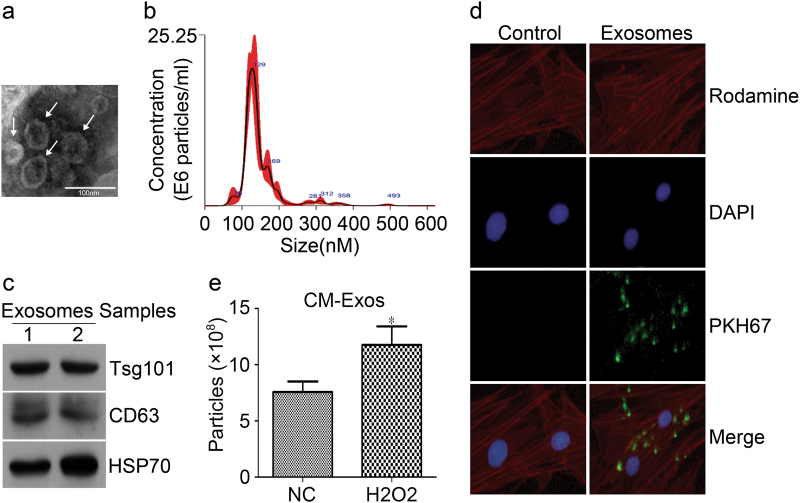
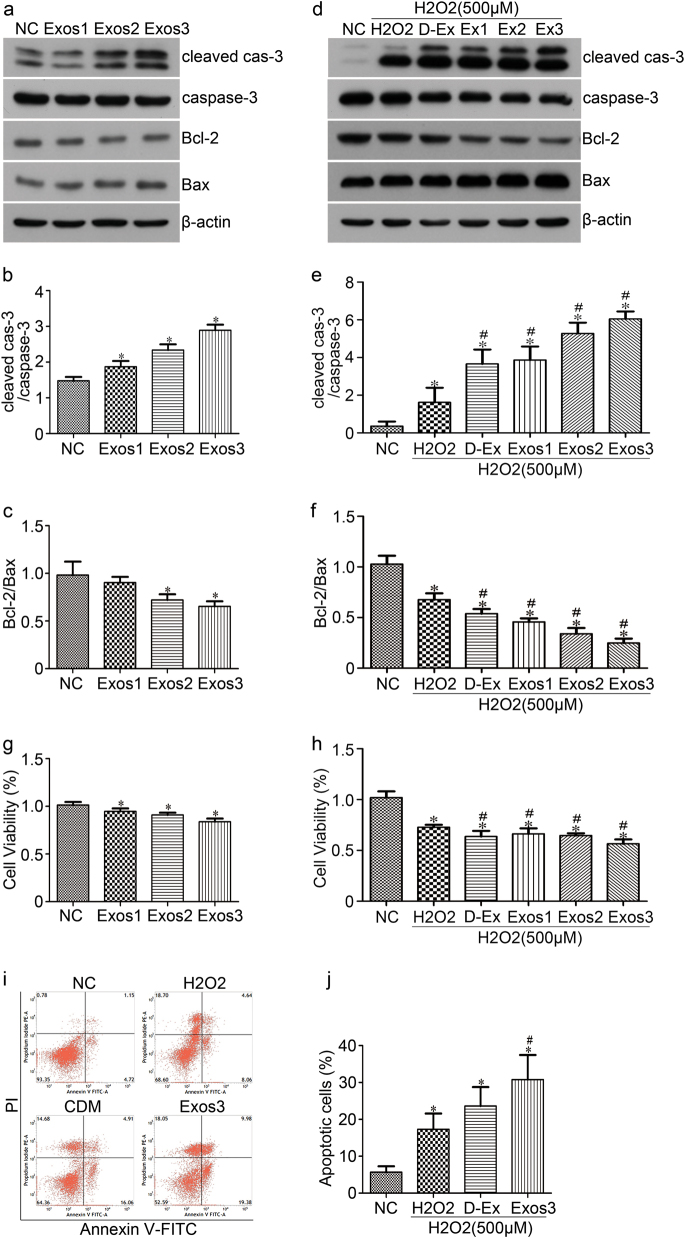
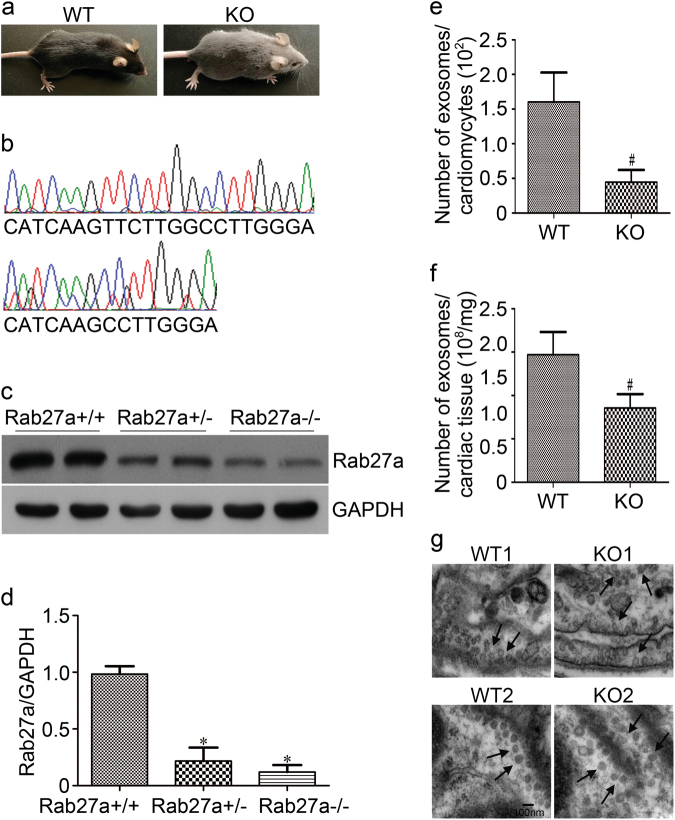
Stem cell therapy can be used to repair and regenerate damaged hearts tissue; nevertheless, the low survival rate of transplanted cells limits their therapeutic efficacy. Recently, it has been proposed that exosomes regulate multiple cellular processes by mediating cell survival and communication among cells. The following study investigates whether injured cardiomyocytes-derived exosomes (cardiac exosomes) affect the survival of transplanted bone marrow mesenchymal stem cells (BMSCs) in infarcted heart. To mimic the harsh microenvironment in infarcted heart that the cardiomyocytes or transplanted BMSCs encounter in vivo, cardiomyocytes conditioned medium and cardiac exosomes collected from HO-treated cardiomyocytes culture medium were cultured with BMSCs under oxidative stress in vitro. Cardiomyocytes conditioned medium and cardiac exosomes significantly accelerated the injury of BMSCs induced by HO; increased cleaved caspase-3/caspase-3 and apoptotic percentage, and decreased the ratio of Bcl-2/Bax and cell viability in those cells. Next, we explored the role of cardiac exosomes in the survival of transplanted BMSCs in vivo by constructing a Rab27a knockout (KO) mice model by a transcription activator-like effector nuclease (TALEN) genome-editing technique; Rab27a is a family of GTPases, which has critical role in secretion of exosomes. Male mouse GFP-modified BMSCs were implanted into the viable myocardium bordering the infarction in Rab27a KO and wild-type female mice. The obtained results showed that the transplanted BMSCs survival in infarcted heart was increased in Rab27a KO mice by the higher level of Y-chromosome Sry DNA, GFP mRNA, and the GFP fluorescence signal intensity. To sum up, these findings revealed that the injured cardiomyocytes-derived exosomes accelerate transplanted BMSCs injury in infarcted heart, thus highlighting a new mechanism underlying the survival of transplanted cells after myocardial infarction.
干细胞疗法可用于修复和再生受损的心脏组织;然而,移植细胞的低存活率限制了它们的治疗效果。最近,有人提出外泌体通过调节细胞存活和细胞间通讯来调节多种细胞过程。本研究旨在探讨损伤的心肌细胞衍生的外泌体(心脏外泌体)是否影响梗死心脏中移植骨髓间充质干细胞(BMSCs)的存活。为了模拟体内心肌细胞或移植的 BMSCs 遇到的梗死心脏恶劣的微环境,用 HO 处理的心肌细胞培养基中收集的心肌细胞条件培养基和心脏外泌体与 BMSCs 在体外氧化应激条件下共培养。心肌细胞条件培养基和心脏外泌体显著加速了 HO 诱导的 BMSCs 损伤;增加了裂解的 caspase-3/ caspase-3 和凋亡百分比,降低了这些细胞中的 Bcl-2/Bax 比值和细胞活力。接下来,我们通过转录激活因子样效应物核酸酶(TALEN)基因组编辑技术构建 Rab27a 敲除(KO)小鼠模型,探讨心脏外泌体在体内移植的 BMSCs 存活中的作用;Rab27a 是 GTPase 家族的一员,在外泌体的分泌中起关键作用。将 GFP 修饰的雄性小鼠 BMSCs 植入 Rab27a KO 和野生型雌性小鼠梗死周边的存活心肌中。结果表明,Rab27a KO 小鼠中 Sry DNA、GFP mRNA 和 GFP 荧光信号强度的 Y 染色体水平升高,使移植的 BMSCs 在梗死心脏中的存活增加。总之,这些发现揭示了损伤的心肌细胞衍生的外泌体加速了梗死心脏中移植的 BMSCs 的损伤,从而强调了心肌梗死后移植细胞存活的新机制。