Clemente Cristina, Rius Cristina, Alonso-Herranz Laura, Martín-Alonso Mara, Pollán Ángela, Camafeita Emilio, Martínez Fernando, Mota Rubén A, Núñez Vanessa, Rodríguez Cristina, Seiki Motoharu, Martínez-González José, Andrés Vicente, Ricote Mercedes, Arroyo Alicia G
Matrix Metalloproteinases in Angiogenesis and Inflammation Group, Centro Nacional de Investigaciones Cardiovasculares Carlos III (CNIC), Melchor Fernández Almagro 3, 28029, Madrid, Spain.
Molecular and Genetic Cardiovascular Pathophysiology Group, Centro Nacional de Investigaciones Cardiovasculares Carlos III (CNIC), Melchor Fernández Almagro 3, 28029, Madrid, Spain.
Nat Commun. 2018 Mar 2;9(1):910. doi: 10.1038/s41467-018-03351-4.
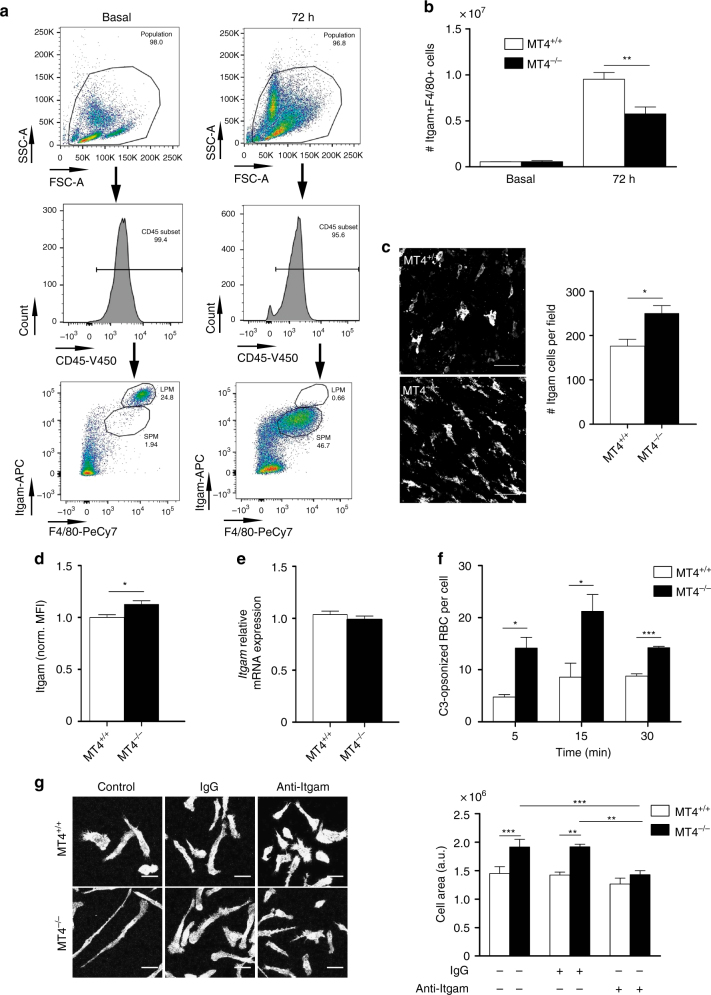
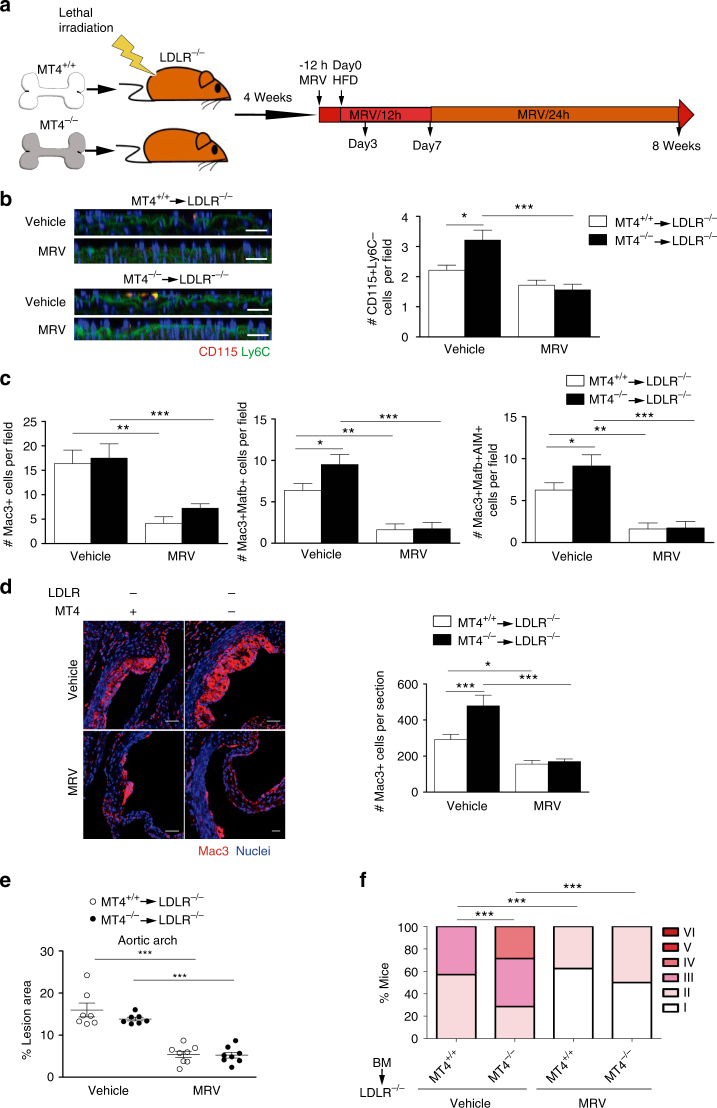
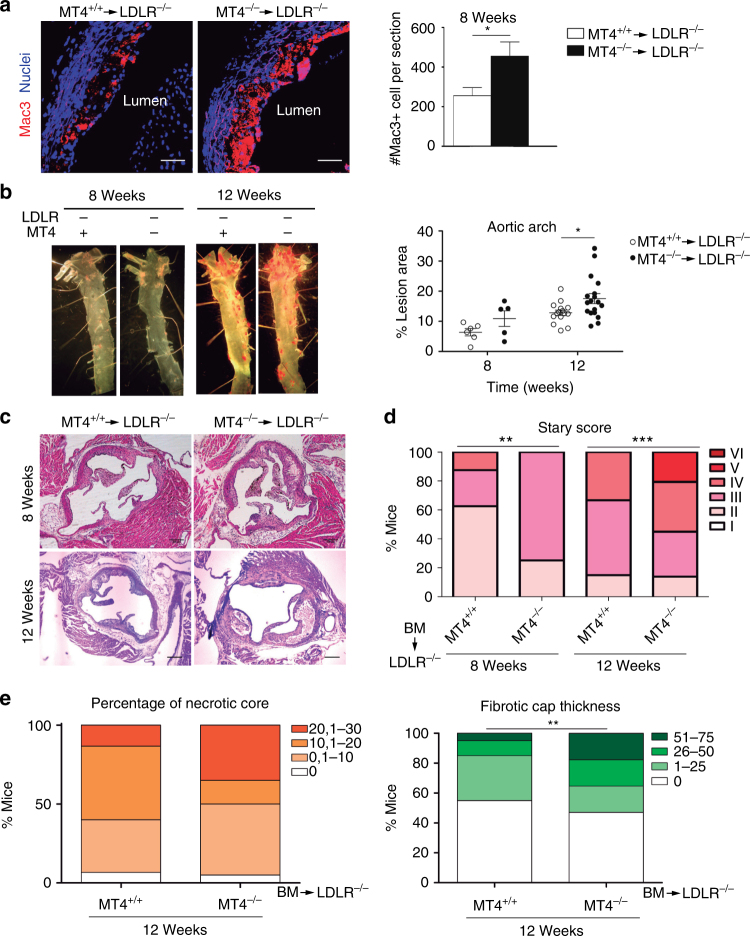
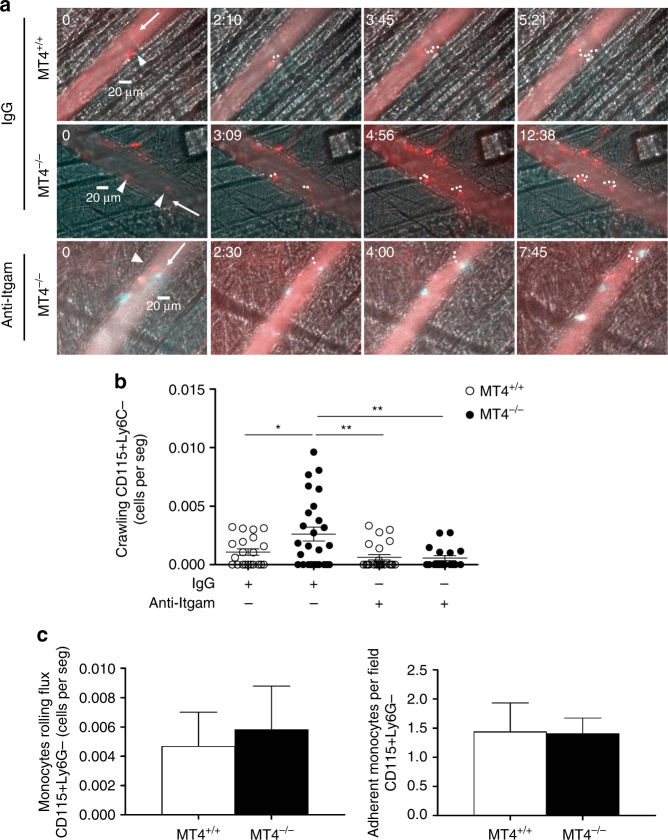
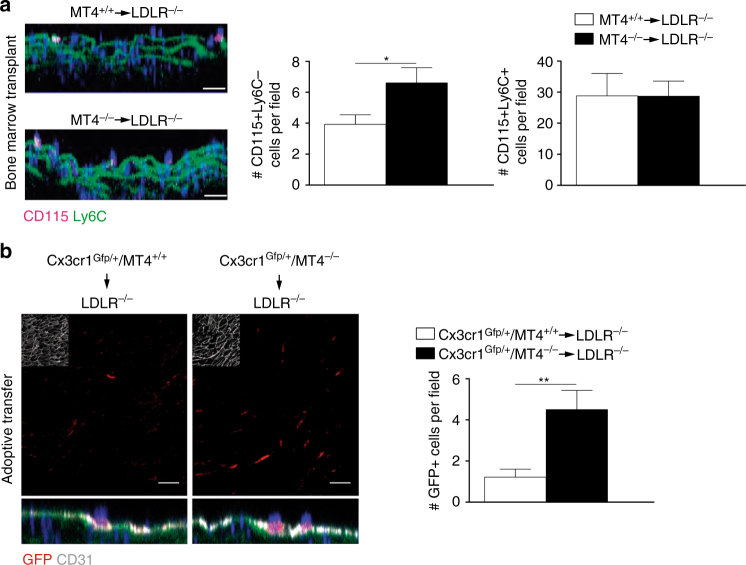
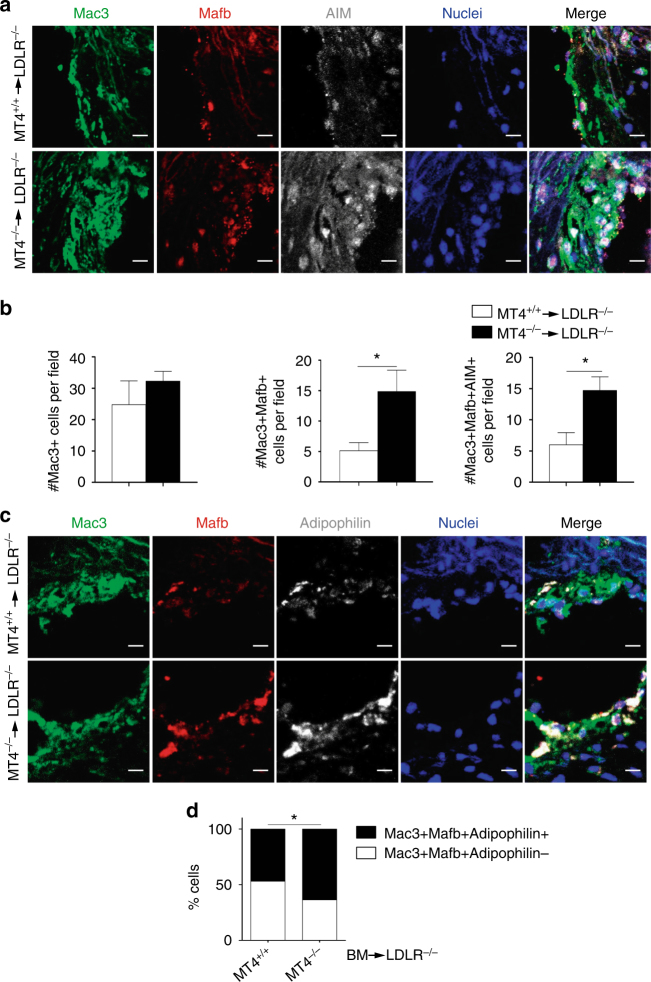
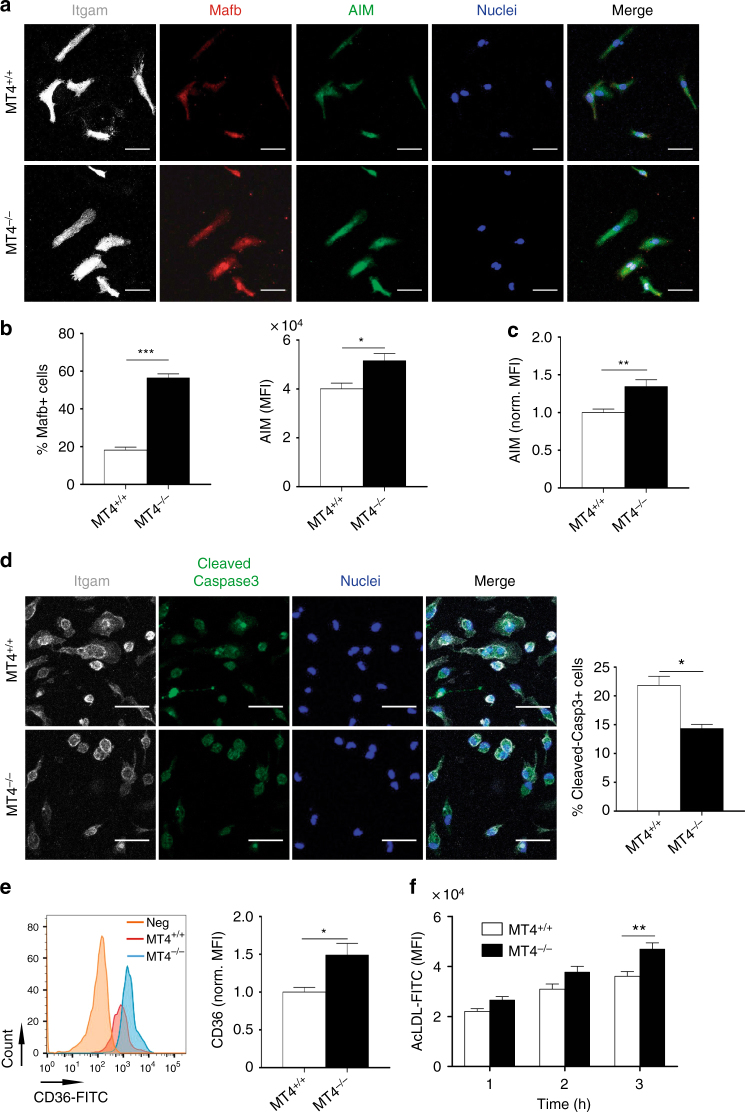
Matrix metalloproteinases are involved in vascular remodeling. Little is known about their immune regulatory role in atherosclerosis. Here we show that mice deficient for MT4-MMP have increased adherence of macrophages to inflamed peritonea, and larger lipid deposits and macrophage burden in atherosclerotic plaques. We also demonstrate that MT4-MMP deficiency results in higher numbers of patrolling monocytes crawling and adhered to inflamed endothelia, and the accumulation of Mafb+ apoptosis inhibitor of macrophage (AIM)+ macrophages at incipient atherosclerotic lesions in mice. Functionally, MT4-MMP-null Mafb+AIM+ peritoneal macrophages express higher AIM and scavenger receptor CD36, are more resistant to apoptosis, and bind acLDL avidly, all of which contribute to atherosclerosis. CCR5 inhibition alleviates these effects by hindering the enhanced recruitment of MT4-MMP-null patrolling monocytes to early atherosclerotic lesions, thus blocking Mafb+AIM+ macrophage accumulation and atherosclerosis acceleration. Our results suggest that MT4-MMP targeting may constitute a novel strategy to boost patrolling monocyte activity in early inflammation.
基质金属蛋白酶参与血管重塑。关于它们在动脉粥样硬化中的免疫调节作用知之甚少。在此我们表明,MT4-MMP缺陷型小鼠的巨噬细胞对炎症腹膜的黏附增加,动脉粥样硬化斑块中的脂质沉积和巨噬细胞负荷更大。我们还证明,MT4-MMP缺陷导致更多巡逻单核细胞爬行并黏附于炎症内皮,以及小鼠早期动脉粥样硬化病变处Mafb+巨噬细胞凋亡抑制因子(AIM)+巨噬细胞的积累。在功能上,MT4-MMP基因敲除的Mafb+AIM+腹膜巨噬细胞表达更高水平的AIM和清道夫受体CD36,对凋亡更具抗性,并且 avidly结合乙酰化低密度脂蛋白(acLDL),所有这些都促进动脉粥样硬化。CCR5抑制通过阻碍MT4-MMP缺陷型巡逻单核细胞向早期动脉粥样硬化病变的增强募集来减轻这些影响,从而阻止Mafb+AIM+巨噬细胞积累和动脉粥样硬化加速。我们的结果表明,靶向MT4-MMP可能构成一种在早期炎症中增强巡逻单核细胞活性的新策略。