Academic Unit of Ophthalmology, Bristol Medical School, Faculty of Health Sciences, University of Bristol, BS8 1TD, UK.
Division of Infection and Immunity, Cardiff University School of Medicine, Cardiff, CF14 4XN, UK.
Prog Retin Eye Res. 2018 Jul;65:93-106. doi: 10.1016/j.preteyeres.2018.03.001. Epub 2018 Mar 9.
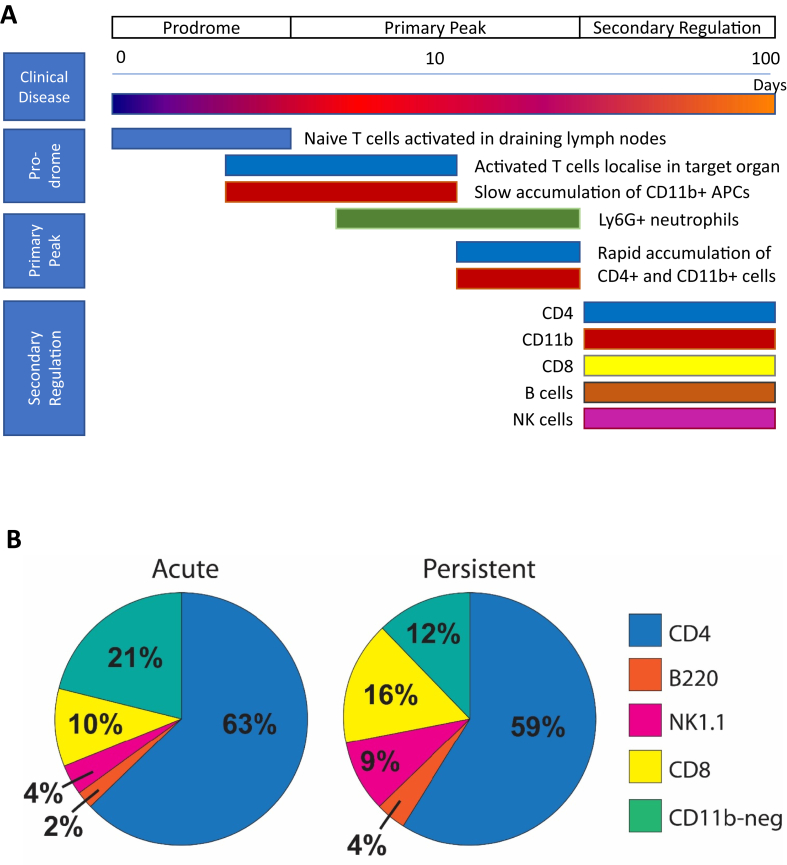
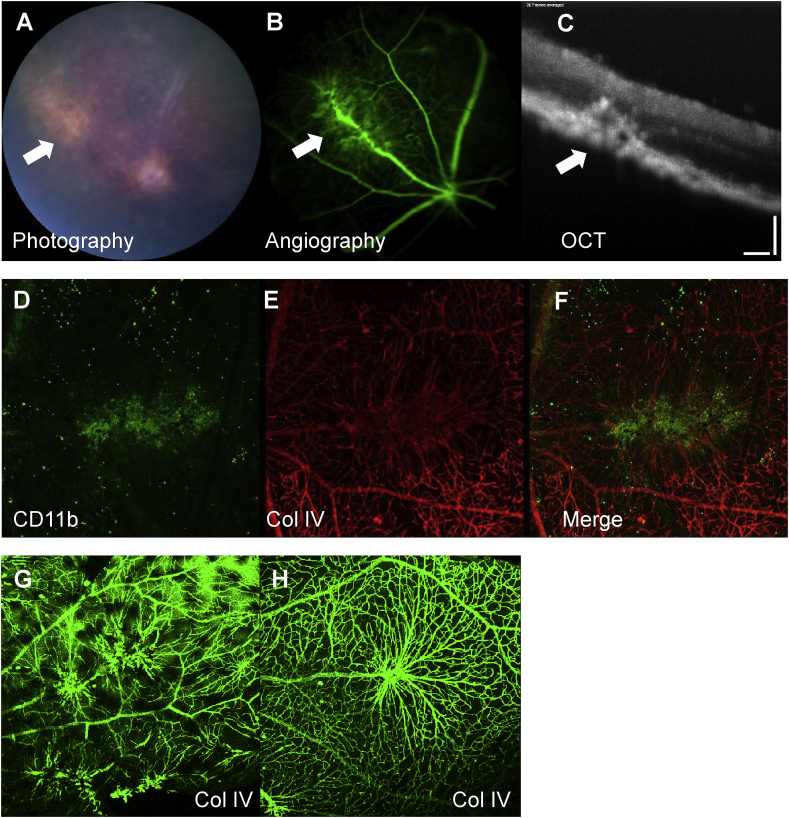
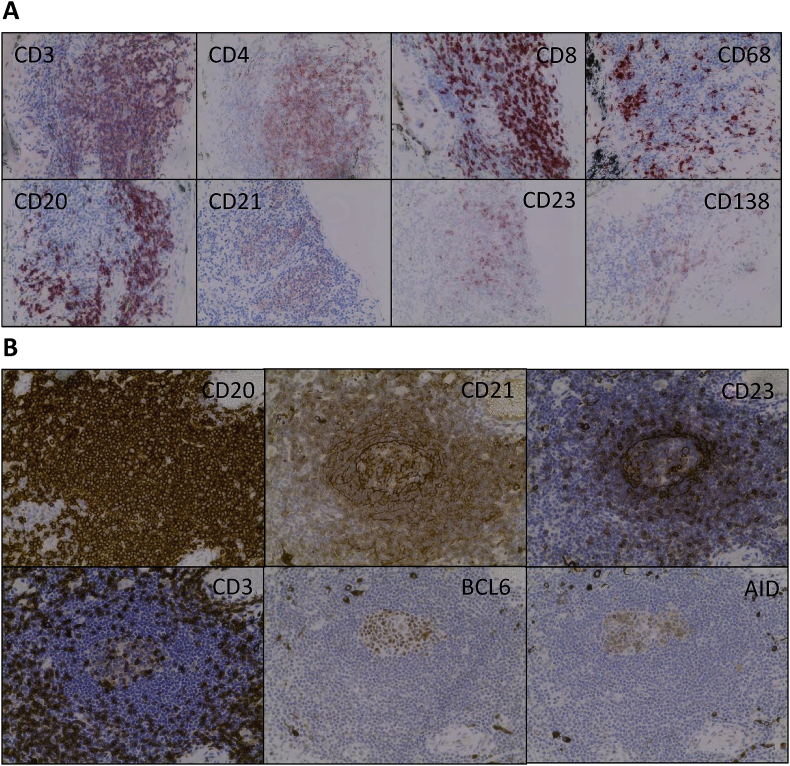
Ocular function depends on a high level of anatomical integrity. This is threatened by inflammation, which alters the local tissue over short and long time-scales. Uveitis due to autoimmune disease, especially when it involves the retina, leads to persistent changes in how the eye interacts with the immune system. The normal pattern of immune surveillance, which for immune privileged tissues is limited, is re-programmed. Many cell types, that are not usually present in the eye, become detectable. There are changes in the tissue homeostasis and integrity. In both human disease and mouse models, in the most extreme cases, immunopathological findings consistent with development of ectopic lymphoid-like structures and disrupted angiogenesis accompany severely impaired eye function. Understanding how the ocular environment is shaped by persistent inflammation is crucial to developing novel approaches to treatment.
眼部功能依赖于高度的解剖完整性。炎症会威胁到这种完整性,在短时间和长时间尺度上改变局部组织。由自身免疫性疾病引起的葡萄膜炎,尤其是累及视网膜时,会导致眼睛与免疫系统相互作用的方式发生持续变化。正常的免疫监视模式(对于免疫特惠组织是有限的)被重新编程。许多通常不存在于眼睛中的细胞类型变得可检测。组织动态平衡和完整性发生变化。在人类疾病和小鼠模型中,在最极端的情况下,免疫病理学发现与异位淋巴样结构的形成和血管生成的破坏一致,伴随严重的视力受损。了解持续性炎症如何塑造眼部环境对于开发新的治疗方法至关重要。