Hubei International Scientific and Technological Cooperation Base of Waste Conversion by Insects, Huazhong Agricultural University, Wuhan, 430070, China.
Hubei Insect Resources Utilization and Sustainable Pest Management Key Laboratory, Huazhong Agricultural University, Wuhan, 430070, China.
Microb Biotechnol. 2018 May;11(3):498-509. doi: 10.1111/1751-7915.13253. Epub 2018 Mar 14.
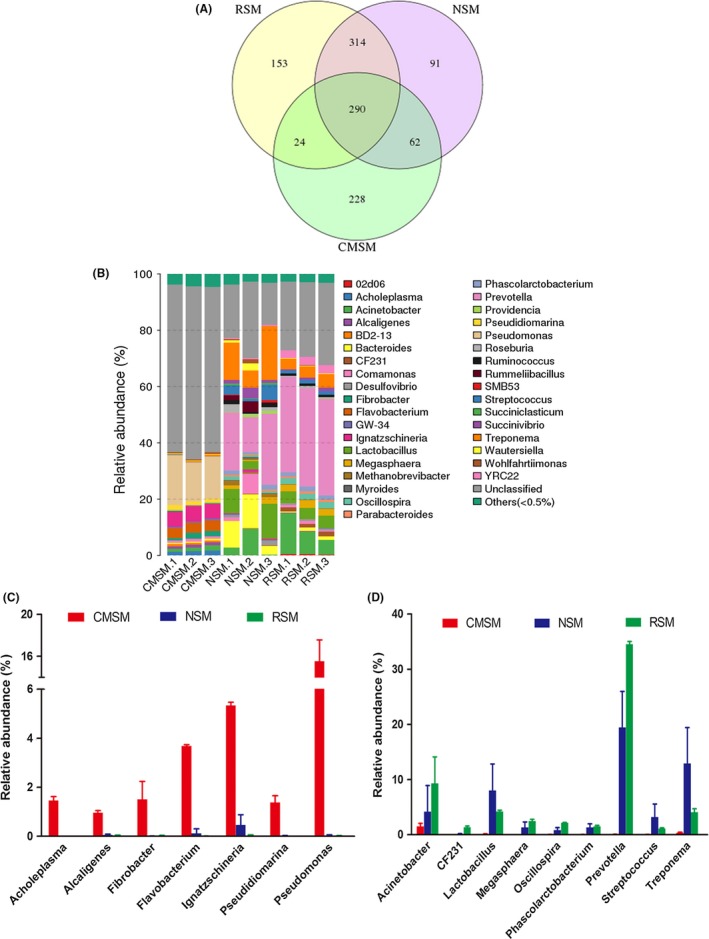
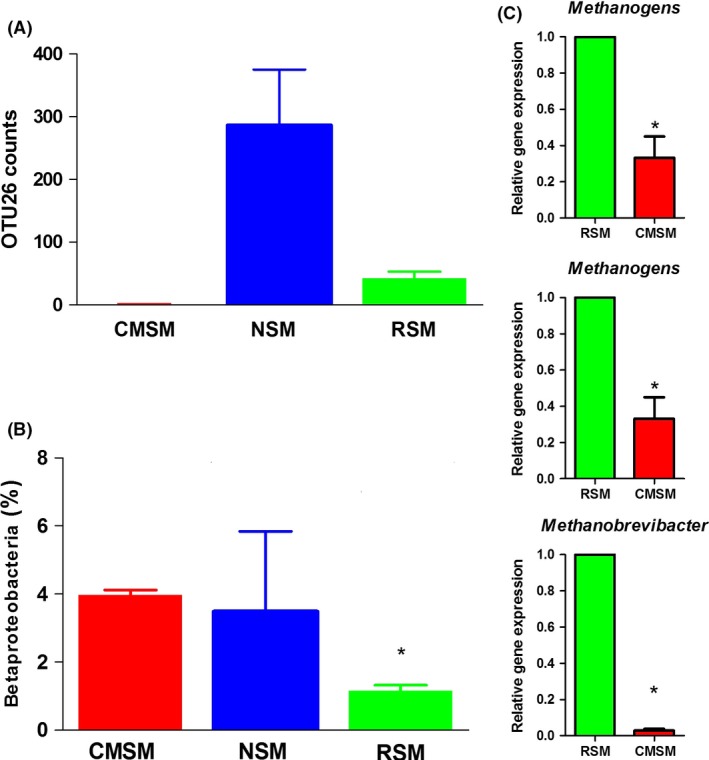
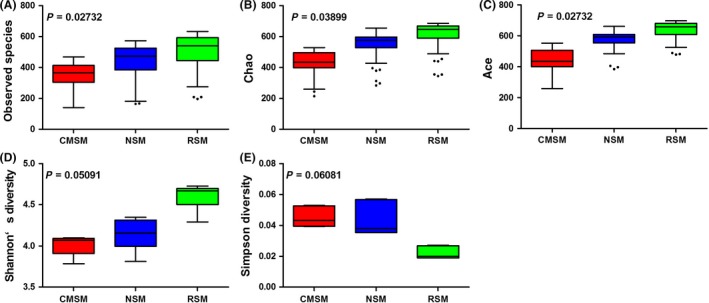
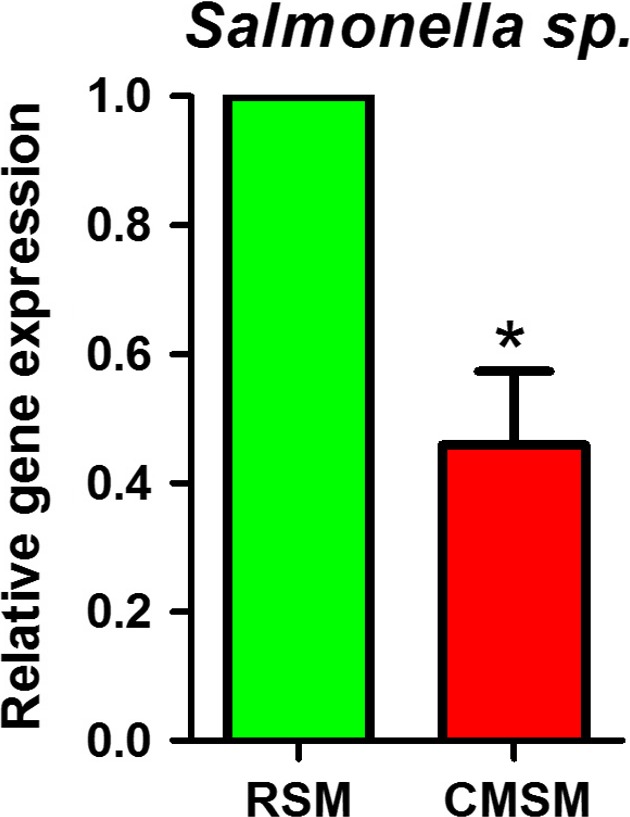
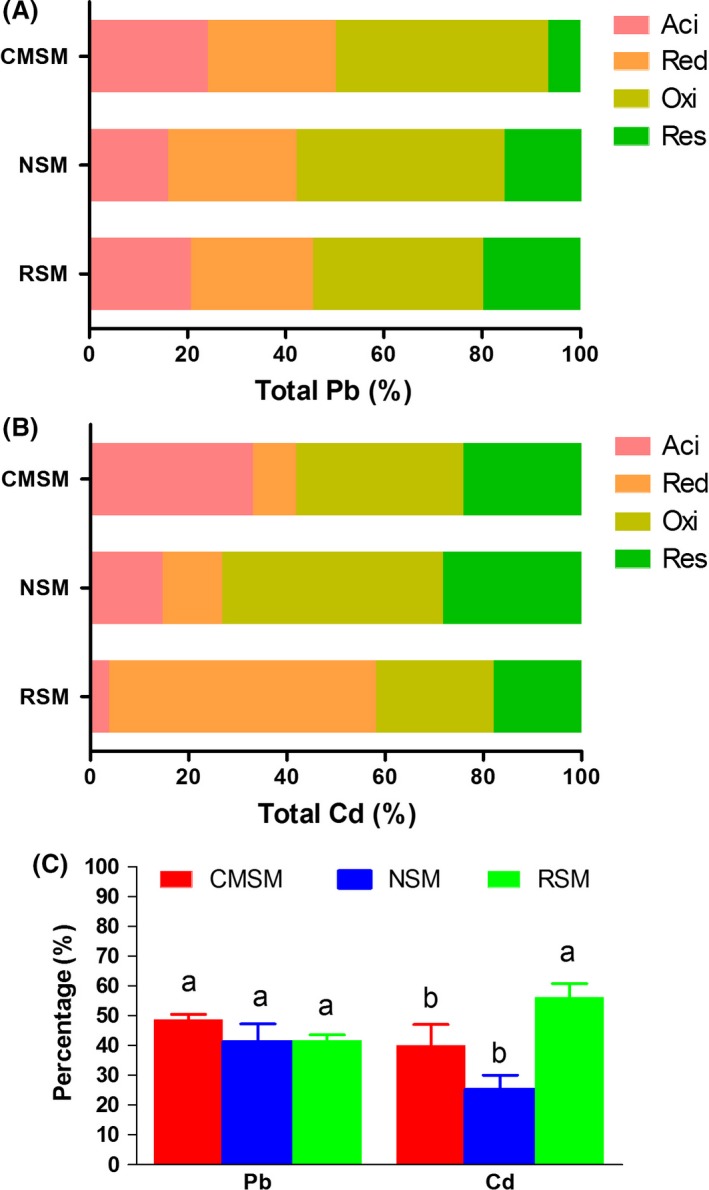
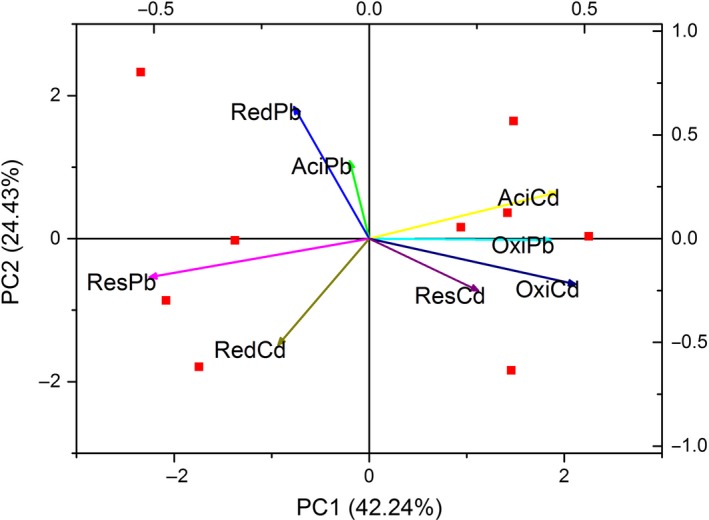
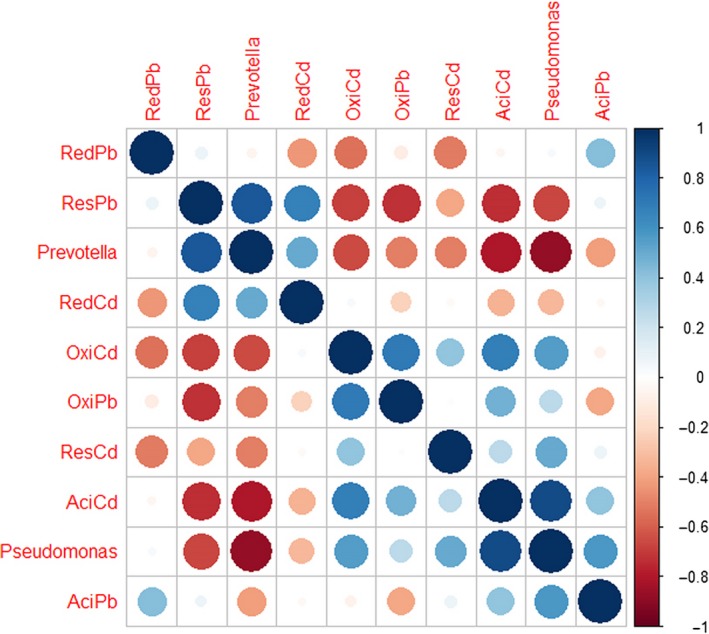
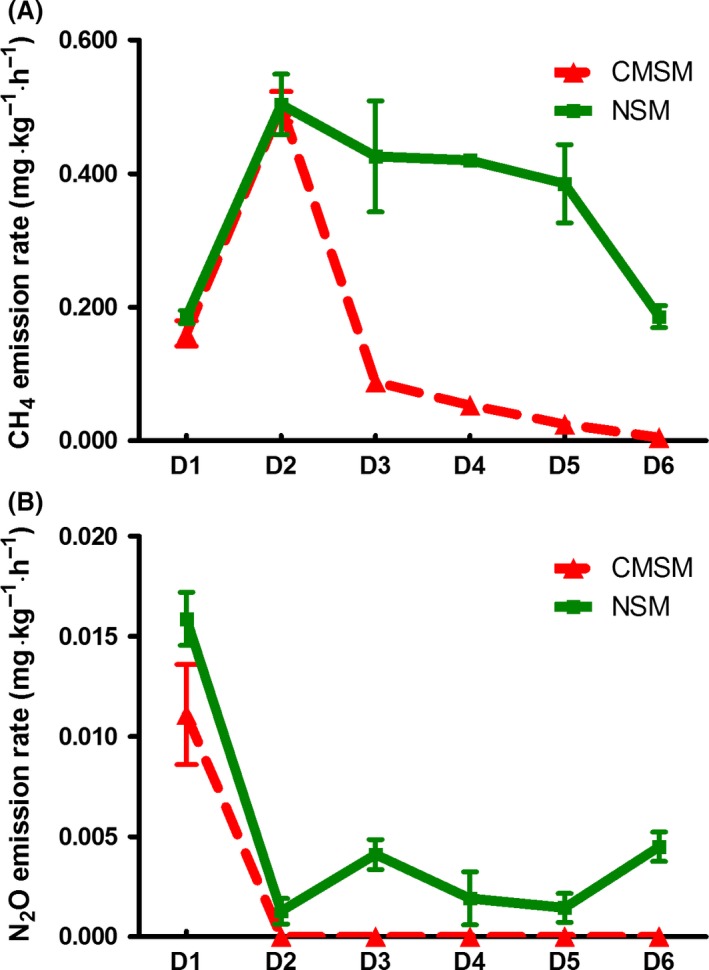
Chrysomya megacephala is a saprophagous fly whose larvae can compost manure and yield biomass and bio-fertilizer simultaneously. However, there are concerns for the safety of the composting system, that is risk of diseases spread by way of manure pathogens, residue of harmful metals and emission of greenhouse gases. Microbiota analysis and heavy metal speciation by European Communities Bureau of Reference were evaluated in raw, C. megacephala-composted and natural stacked swine manure to survey pathogenic bacterial changes and mobility of lead and cadmium in manure after C. megacephala feeding; the emission rate of CH and N O from manure during C. megacephala composting and natural stacking was also measured. C. megacephala composting altered manure microbiota, reduced the risk of pathogenic bacteria and maintained the stability, and microbiota changes might be associated with heavy metal fractions, especially in Pseudomonas and Prevotella. In addition, C. megacephala-composting significantly reduced the emission rate of CH and N O in comparing with natural stacking situation and the first two days should be the crucial period for CH and N O emission measurement for manure treatment by C. megacephala. Moreover, OTU26 and Betaproteobacteria were changed after C. megacephala composting which might play a role in emission of CH and N O, respectively.
红头丽蝇是一种腐生性蝇类,其幼虫可同时堆肥粪便并产生生物质和生物肥料。然而,人们对堆肥系统的安全性存在担忧,即粪便病原体传播疾病、有害金属残留和温室气体排放的风险。本研究通过欧洲共同体参考局的微生物组分析和重金属形态分析,评估了生猪粪、红头丽蝇堆肥猪粪和自然堆放猪粪中病原菌的变化和铅、镉在蝇类取食后的移动性;还测量了红头丽蝇堆肥和自然堆放过程中粪便中 CH 和 N O 的排放速率。红头丽蝇堆肥改变了粪便微生物群,降低了病原菌的风险并保持了稳定性,微生物群的变化可能与重金属分数有关,特别是在假单胞菌属和普雷沃氏菌属。此外,与自然堆放相比,红头丽蝇堆肥显著降低了 CH 和 N O 的排放速率,并且对于通过红头丽蝇处理粪便的 CH 和 N O 排放测量,前两天应该是关键时期。此外,红头丽蝇堆肥后 OTU26 和β变形菌门发生了变化,它们可能分别在 CH 和 N O 的排放中发挥作用。