Gollihue Jenna L, Patel Samir P, Rabchevsky Alexander G
Spinal Cord and Brain Injury Research Center; Department of Physiology, University of Kentucky, Lexington, KY, USA.
Neural Regen Res. 2018 Feb;13(2):194-197. doi: 10.4103/1673-5374.226382.
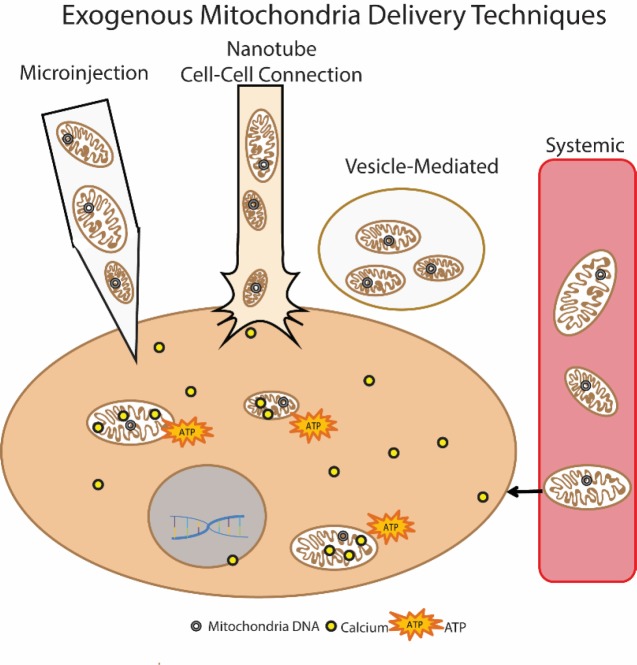
Mitochondria are essential cellular organelles critical for generating adenosine triphosphate for cellular homeostasis, as well as various mechanisms that can lead to both necrosis and apoptosis. The field of "mitochondrial medicine" is emerging in which injury/disease states are targeted therapeutically at the level of the mitochondrion, including specific antioxidants, bioenergetic substrate additions, and membrane uncoupling agents. Consequently, novel mitochondrial transplantation strategies represent a potentially multifactorial therapy leading to increased adenosine triphosphate production, decreased oxidative stress, mitochondrial DNA replacement, improved bioenergetics and tissue sparing. Herein, we describe briefly the history of mitochondrial transplantation and the various techniques used for both in vitro and in vivo delivery, the benefits associated with successful transference into both peripheral and central nervous system tissues, along with caveats and pitfalls that hinder the advancements of this novel therapeutic.
线粒体是细胞内至关重要的细胞器,对于维持细胞内环境稳定产生三磷酸腺苷以及引发坏死和凋亡的各种机制都起着关键作用。“线粒体医学”领域正在兴起,针对线粒体水平的损伤/疾病状态进行治疗,包括使用特定的抗氧化剂、添加生物能量底物以及膜解偶联剂。因此,新型线粒体移植策略代表了一种潜在的多因素治疗方法,可导致三磷酸腺苷生成增加、氧化应激降低、线粒体DNA替换、生物能量改善以及组织保护。在此,我们简要描述线粒体移植的历史、用于体外和体内递送的各种技术、成功转移至外周和中枢神经系统组织所带来的益处,以及阻碍这种新型治疗方法进展的注意事项和陷阱。