Sansom Institute for Health Research, School of Pharmacy and Medical Sciences, University of South Australia, Adelaide, SA 5001, Australia.
School of Natural and Built Environments, University of South Australia, Adelaide, SA 5095, Australia.
Biomed Res Int. 2018 Jan 18;2018:4071356. doi: 10.1155/2018/4071356. eCollection 2018.
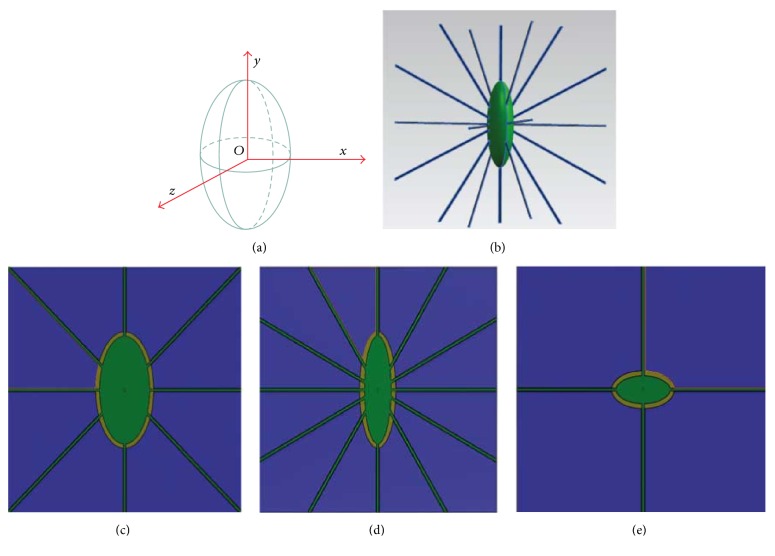
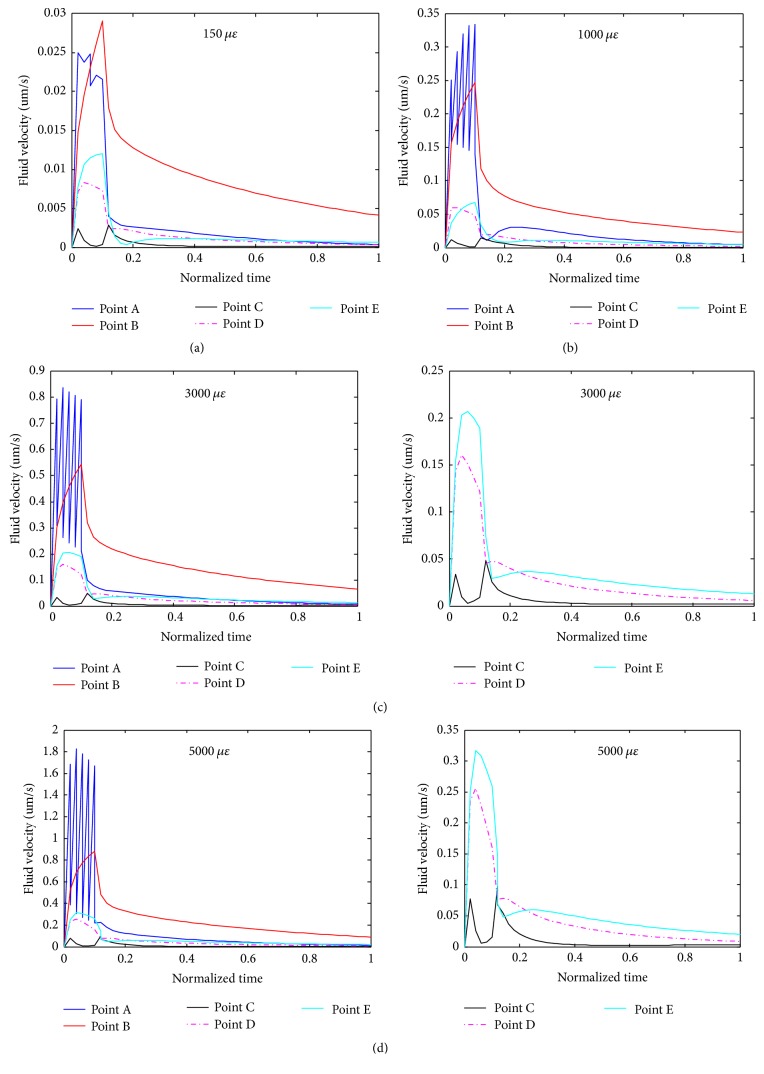
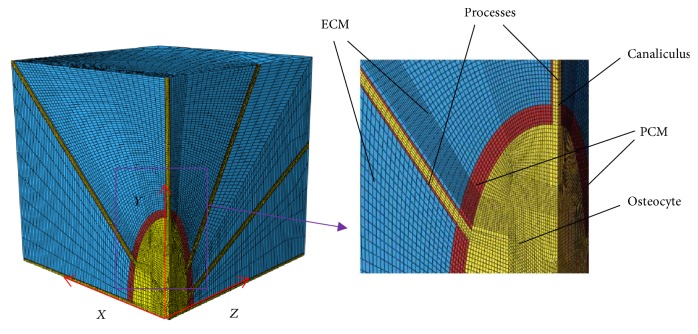
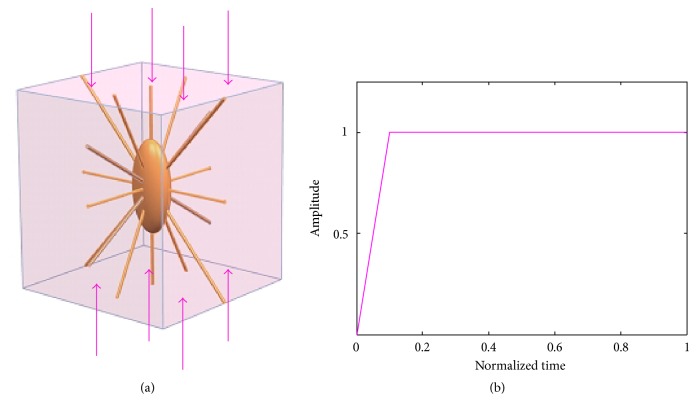
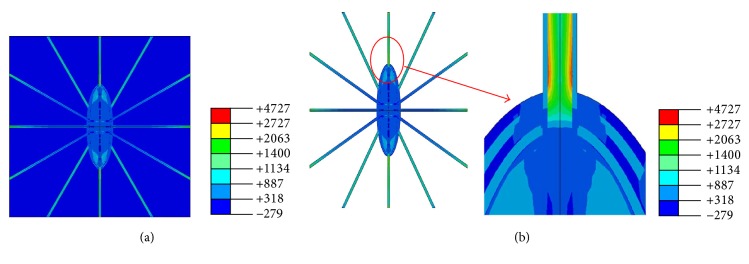
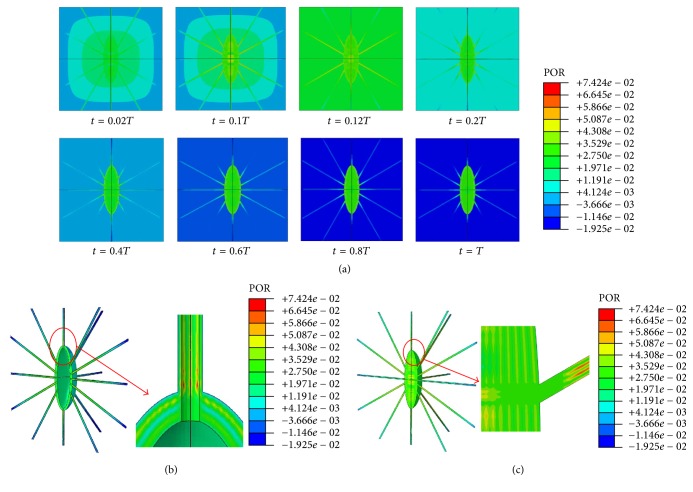
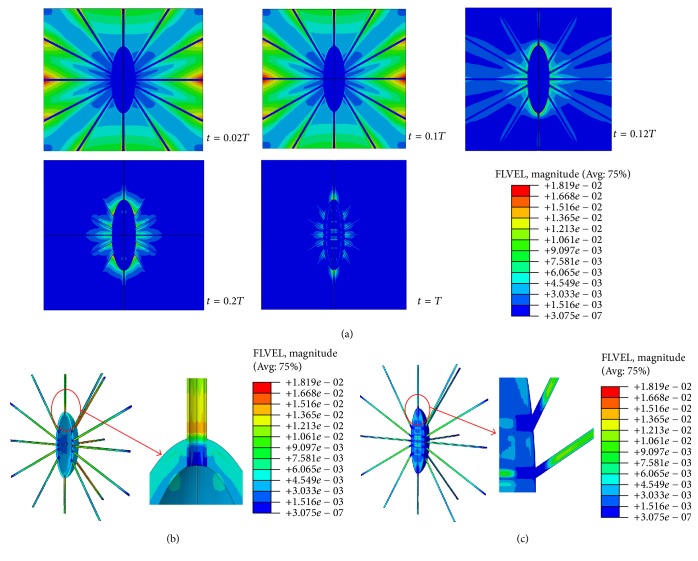
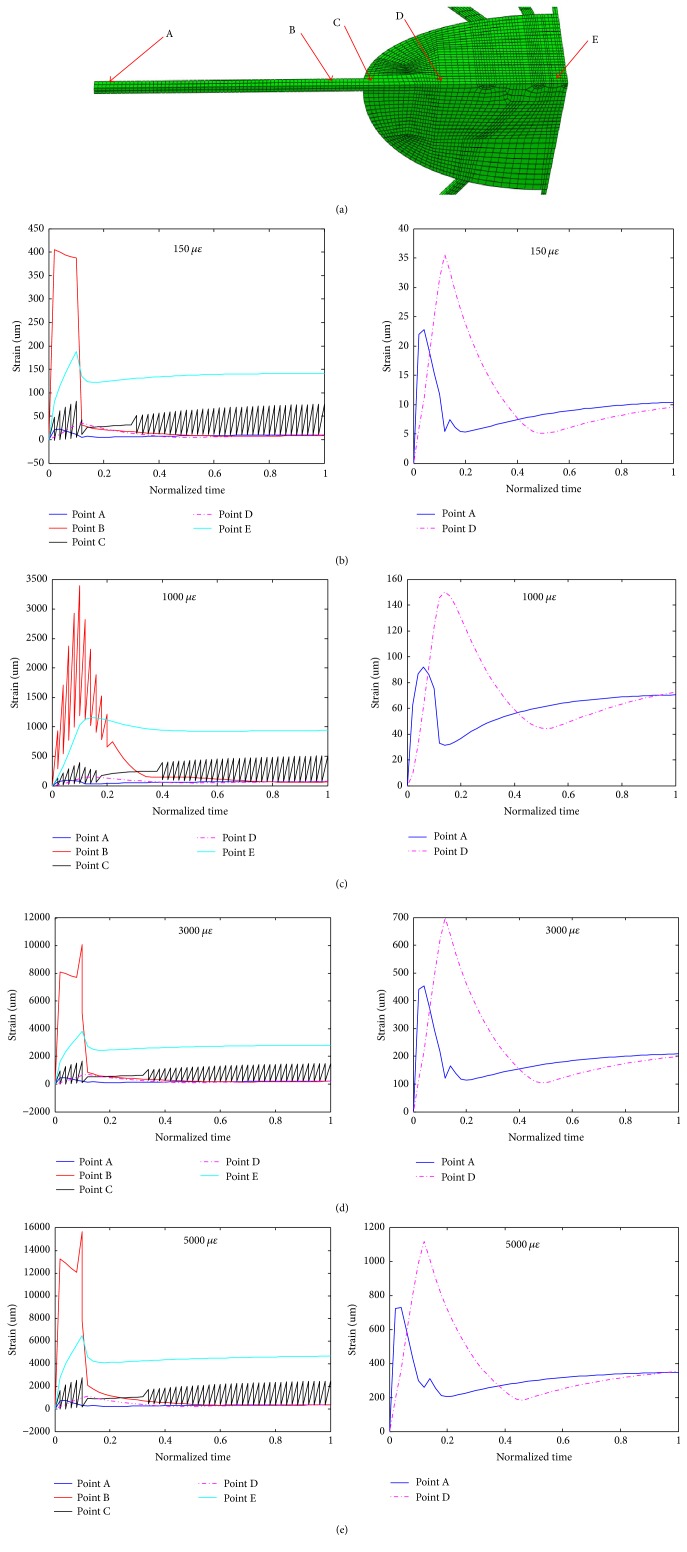
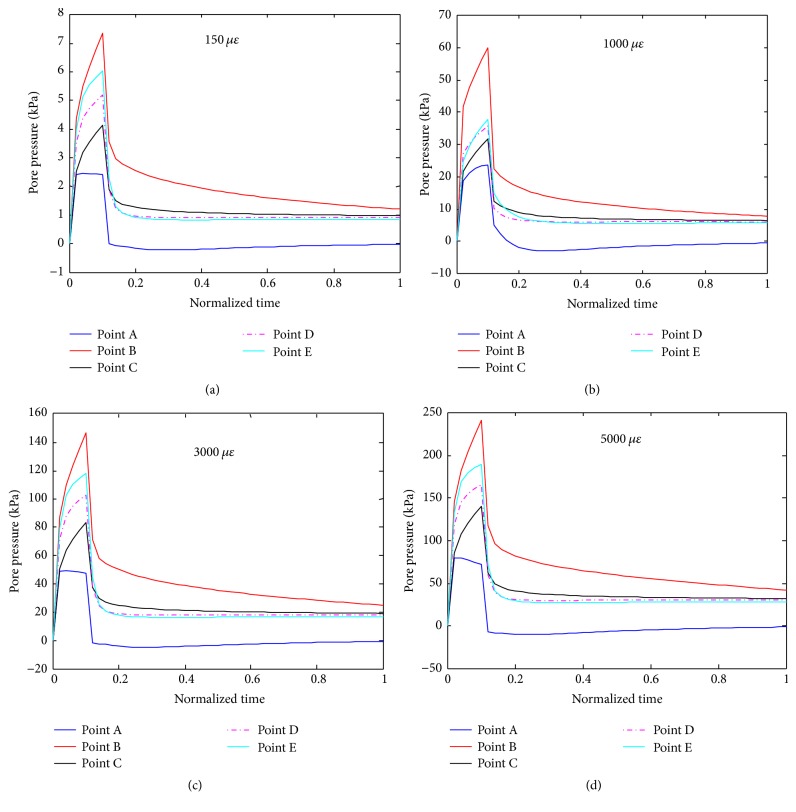
Osteocytes, the major type of bone cells embedded in the bone matrix and surrounded by the lacunar and canalicular system, can serve as biomechanosensors and biomechanotranducers of the bone. Theoretical analytical methods have been employed to investigate the biomechanical responses of osteocytes in vivo; the poroelastic properties have not been taken into consideration in the three-dimensional (3D) finite element model. In this study, a 3D poroelastic idealized finite element model was developed and was used to predict biomechanical behaviours (maximal principal strain, pore pressure, and fluid velocity) of the osteocyte-lacunar-canalicular system under 150-, 1000-, 3000-, and 5000-microstrain compressive loads, respectively, representing disuse, physiological, overuse, and pathological overload loading stimuli. The highest local strain, pore pressure, and fluid velocity were found to be highest at the proximal region of cell processes. These data suggest that the strain, pore pressure, and fluid velocity of the osteocyte-lacunar-canalicular system increase with the global loading and that the poroelastic material property affects the biomechanical responses to the compressive stimulus. This new model can be used to predict the mechanobiological behaviours of osteocytes under the four different compressive loadings and may provide an insight into the mechanisms of mechanosensation and mechanotransduction of the bone.
成骨细胞是嵌入骨基质并被骨陷窝和骨小管系统包围的主要骨细胞类型,可作为骨的生物力学传感器和生物力学转换器。理论分析方法已被用于研究体内成骨细胞的生物力学响应;但在三维(3D)有限元模型中并未考虑多孔弹性特性。在本研究中,开发了一个 3D 多孔弹性理想化有限元模型,并用于预测在分别代表废用、生理、过度使用和病理过载加载刺激的 150、1000、3000 和 5000 微应变压缩负载下的骨细胞-骨陷窝-骨小管系统的生物力学行为(最大主应变、孔隙压力和流体速度)。发现细胞突起近端区域的局部应变、孔隙压力和流体速度最高。这些数据表明,骨细胞-骨陷窝-骨小管系统的应变、孔隙压力和流体速度随整体加载而增加,多孔弹性材料特性会影响对压缩刺激的生物力学响应。该新模型可用于预测四种不同压缩负载下成骨细胞的机械生物学行为,并可能深入了解骨的机械感觉和机械转导机制。