Senseonics, Incorporated , Germantown, Maryland.
Diabetes Technol Ther. 2018 May;20(5):344-352. doi: 10.1089/dia.2018.0028. Epub 2018 Mar 30.
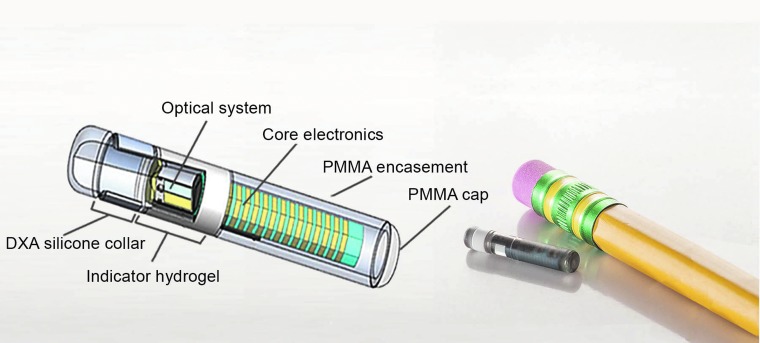
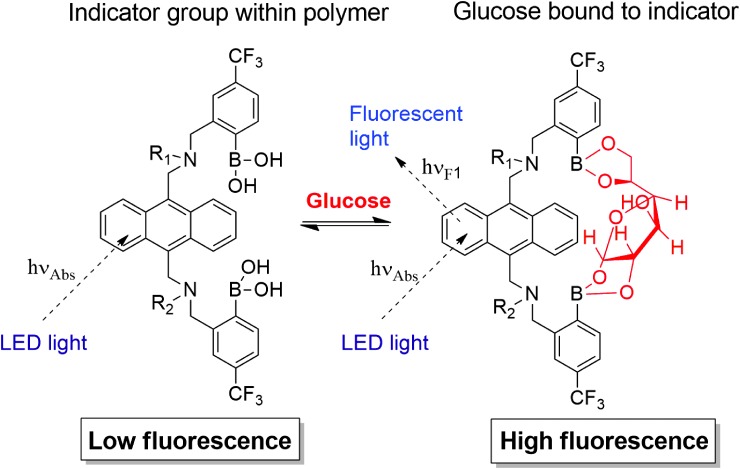
A variety of prescriptions and over-the-counter medications interfere with transcutaneous continuous glucose monitoring (CGM) sensors. This study characterized the interference profile of the Eversense CGM System (Senseonics, Inc., Germantown, MD), which has a different mechanism of glucose detection than other CGM systems.
Sensor bias (sensor glucose concentration measurement - plasma glucose concentration measured by a reference test) was measured in vitro against 41 different substances at supratherapeutic/supraphysiologic plasma concentrations. Testing was performed using a paired-sample method adapted from the Clinical and Laboratory Standards Institute guidance document EP7-A2. Any substance producing sensor bias that exceeded the International Organization for Standardization (ISO) document 15197:2013 limits was then tested using an in vitro dose-response method to determine whether the concentration producing a significant sensor bias was within physiologic/therapeutic concentration ranges.
Eight of 41 substances produced a sensor bias that exceeded ISO 15197:2013 limits when tested in vitro at supratherapeutic/supraphysiologic plasma concentrations. Only two of these substances (tetracycline and mannitol) exceeded bias limits within therapeutic concentration ranges. Notably, neither acetaminophen nor ascorbic acid, which are substances reported to interfere with other CGM systems, produced sensor bias that exceeded ISO limits when used at physiologic concentrations.
Although tetracycline and mannitol interfered with the Eversense sensor, substances frequently reported to interfere with enzymatic, electrochemical-based transcutaneous CGM systems, such as acetaminophen and ascorbic acid, did not affect Eversense readings.
多种处方和非处方药物会干扰经皮连续血糖监测(CGM)传感器。本研究对 Eversense CGM 系统(Senseonics,Inc.,Germantown,MD)的干扰情况进行了特征描述,该系统的葡萄糖检测机制与其他 CGM 系统不同。
采用配对样本法,按照临床和实验室标准协会 EP7-A2 指南文件进行检测,在体外以高于治疗/生理的血浆浓度检测 41 种不同物质对传感器的偏倚(传感器葡萄糖浓度测量值-参考检测法测量的血浆葡萄糖浓度)。任何产生的传感器偏倚超过国际标准化组织(ISO)15197:2013 标准的物质,然后使用体外剂量反应法进行测试,以确定产生显著传感器偏倚的浓度是否在生理/治疗浓度范围内。
在高于治疗/生理的血浆浓度体外检测时,41 种物质中有 8 种物质产生的传感器偏倚超过 ISO 15197:2013 标准。在治疗浓度范围内,只有两种物质(四环素和甘露醇)超过了偏倚限制。值得注意的是,在生理浓度下,即使是被报道会干扰其他 CGM 系统的物质,如对乙酰氨基酚和抗坏血酸,也不会产生超过 ISO 限制的传感器偏倚。
虽然四环素和甘露醇会干扰 Eversense 传感器,但经常被报道会干扰酶法、电化学经皮 CGM 系统的物质,如对乙酰氨基酚和抗坏血酸,并不会影响 Eversense 的读数。