Avantea, Laboratory of Reproductive Technologies, Via Porcellasco 7/f, Cremona 26100, Italy; Dept. of Veterinary Medical Sciences, University of Bologna, Via Tolara di Sopra 50, 40064 Ozzano dell'Emilia, BO, Italy.
University of Cambridge/MRC Mitochondrial Biology Unit, Wellcome Trust/MRC Building, Hills Rd, Cambridge CB20XY, UK.
Biochim Biophys Acta Mol Basis Dis. 2018 Jun;1864(6 Pt A):2131-2142. doi: 10.1016/j.bbadis.2018.03.021. Epub 2018 Mar 28.
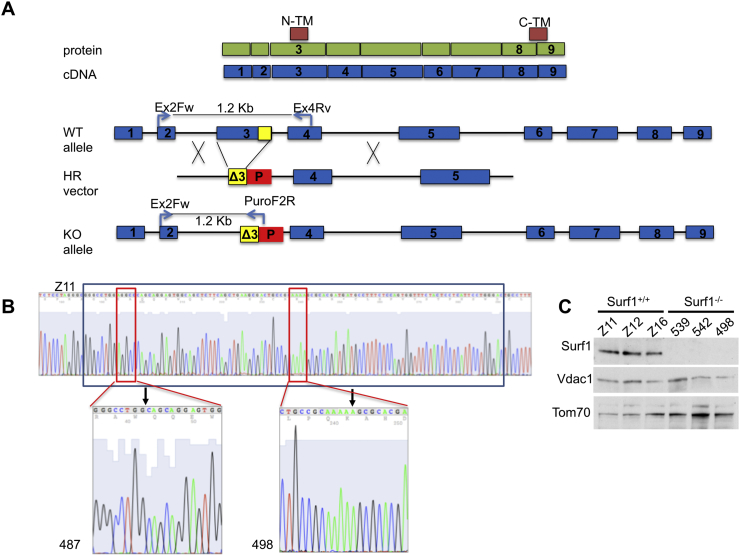
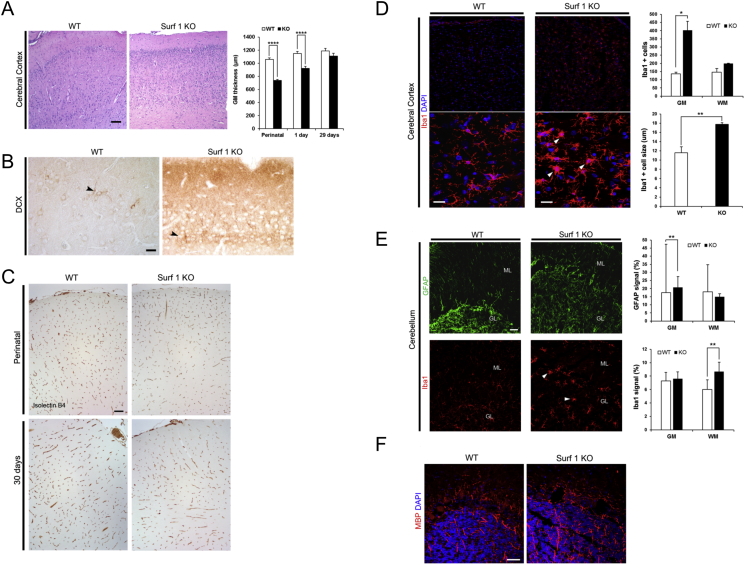
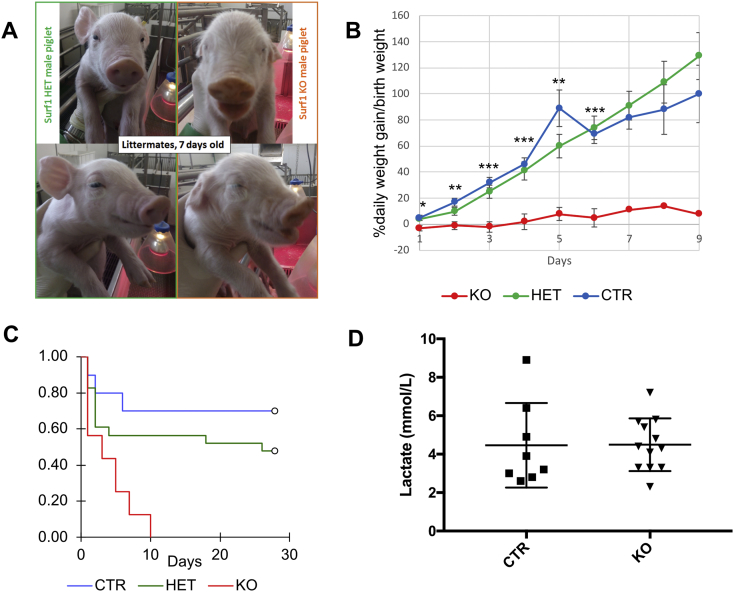
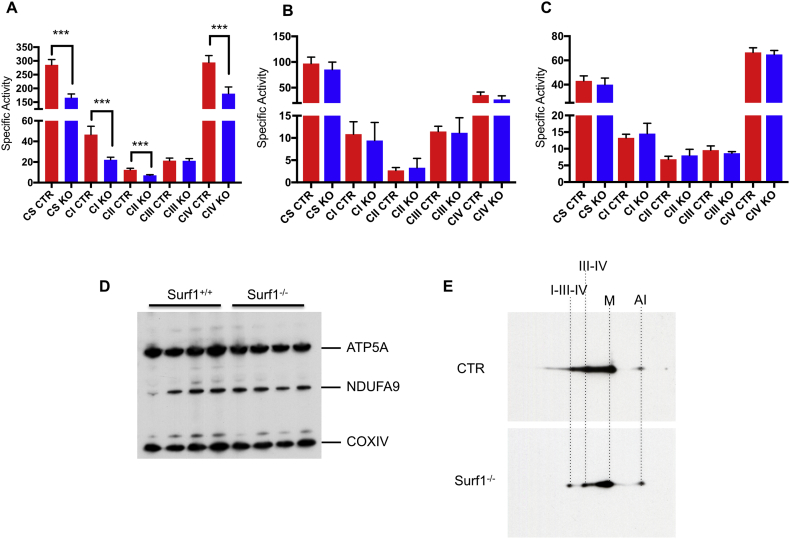
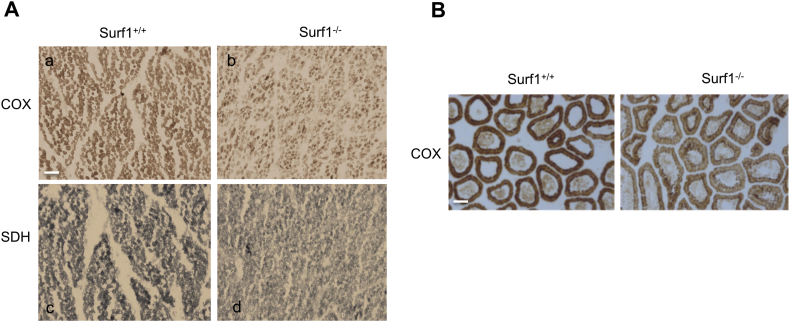
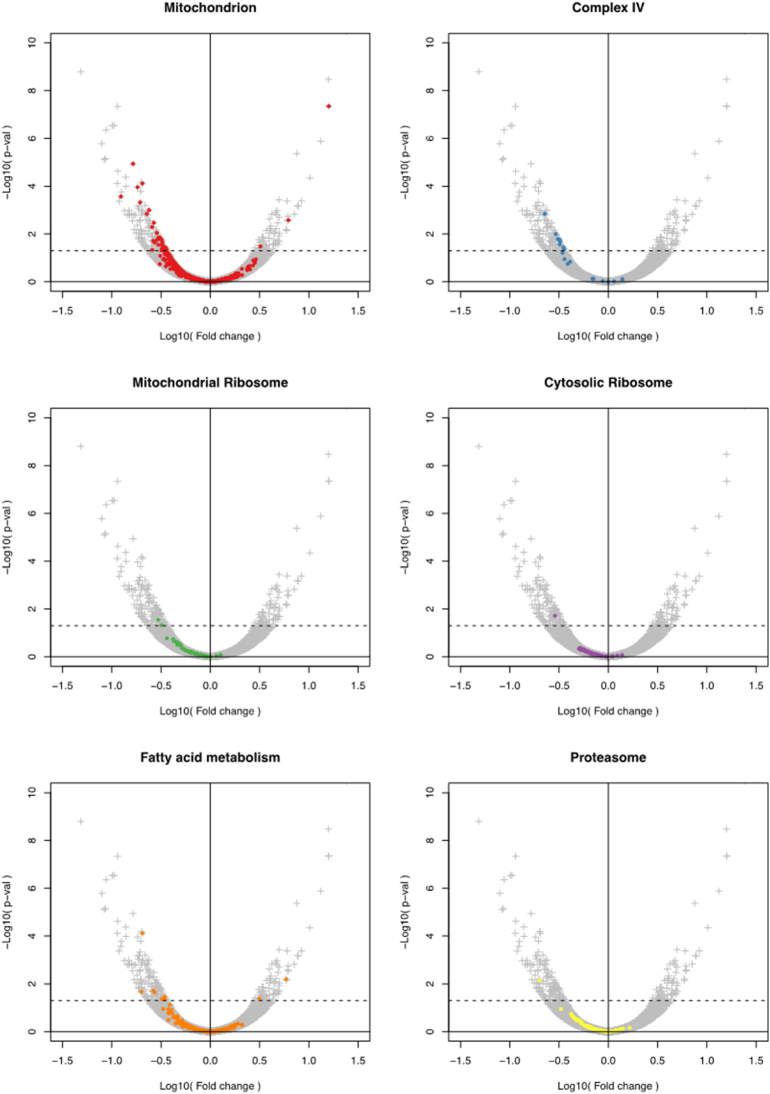
Leigh syndrome (LS) associated with cytochrome c oxidase (COX) deficiency is an early onset, fatal mitochondrial encephalopathy, leading to multiple neurological failure and eventually death, usually in the first decade of life. Mutations in SURF1, a nuclear gene encoding a mitochondrial protein involved in COX assembly, are among the most common causes of LS. LS patients display severe, isolated COX deficiency in all tissues, including cultured fibroblasts and skeletal muscle. Recombinant, constitutive SURF1 mice show diffuse COX deficiency, but fail to recapitulate the severity of the human clinical phenotype. Pigs are an attractive alternative model for human diseases, because of their size, as well as metabolic, physiological and genetic similarity to humans. Here, we determined the complete sequence of the swine SURF1 gene, disrupted it in pig primary fibroblast cell lines using both TALENs and CRISPR/Cas9 genome editing systems, before finally generating SURF1 and SURF1 pigs by Somatic Cell Nuclear Transfer (SCNT). SURF1 pigs were characterized by failure to thrive, muscle weakness and highly reduced life span with elevated perinatal mortality, compared to heterozygous SURF1 and wild type littermates. Surprisingly, no obvious COX deficiency was detected in SURF1 tissues, although histochemical analysis revealed the presence of COX deficiency in jejunum villi and total mRNA sequencing (RNAseq) showed that several COX subunit-encoding genes were significantly down-regulated in SURF1 skeletal muscles. In addition, neuropathological findings, indicated a delay in central nervous system development of newborn SURF1 piglets. Our results suggest a broader role of sSURF1 in mitochondrial bioenergetics.
Leigh 综合征(LS)与细胞色素 c 氧化酶(COX)缺乏有关,是一种早发性、致命性的线粒体脑病,导致多种神经功能衰竭,最终导致死亡,通常发生在生命的第一个十年。SURF1 基因突变是 LS 最常见的原因之一,SURF1 是一种核基因,编码参与 COX 组装的线粒体蛋白。LS 患者在所有组织(包括培养的成纤维细胞和骨骼肌)中均表现出严重的、孤立的 COX 缺乏。组成型表达 SURF1 的重组小鼠表现出弥漫性 COX 缺乏,但未能重现人类临床表型的严重程度。猪是人类疾病的理想替代模型,因为它们的体型以及代谢、生理和遗传与人类相似。在这里,我们确定了猪 SURF1 基因的完整序列,使用 TALEN 和 CRISPR/Cas9 基因组编辑系统在猪原代成纤维细胞系中破坏它,然后通过体细胞核移植(SCNT)最终产生 SURF1 和 SURF1 猪。与杂合子 SURF1 和野生型同窝仔相比,SURF1 猪表现为生长不良、肌肉无力和寿命显著缩短,围产期死亡率升高。令人惊讶的是,尽管组织化学分析显示空肠绒毛中存在 COX 缺乏,总 RNA 测序(RNAseq)显示 SURF1 骨骼肌中几个 COX 亚基编码基因显著下调,但在 SURF1 组织中未检测到明显的 COX 缺乏。此外,神经病理学发现表明新生 SURF1 仔猪中枢神经系统发育延迟。我们的结果表明 sSURF1 在线粒体生物能学中具有更广泛的作用。