Di Donfrancesco Alessia, Massaro Giulia, Di Meo Ivano, Tiranti Valeria, Bottani Emanuela, Brunetti Dario
Medical Genetics and Neurogenetics Unit, Fondazione IRCCS Istituto Neurologico Carlo Besta, 20126 Milan, Italy.
UCL School of Pharmacy, University College London, 29-39 Brunswick Square, London WC1N 1AX, UK.
Pharmaceutics. 2022 Jun 17;14(6):1287. doi: 10.3390/pharmaceutics14061287.
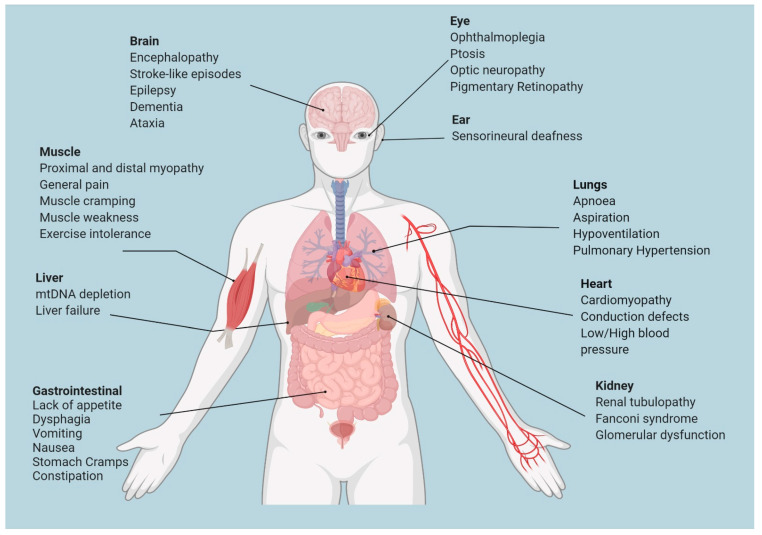
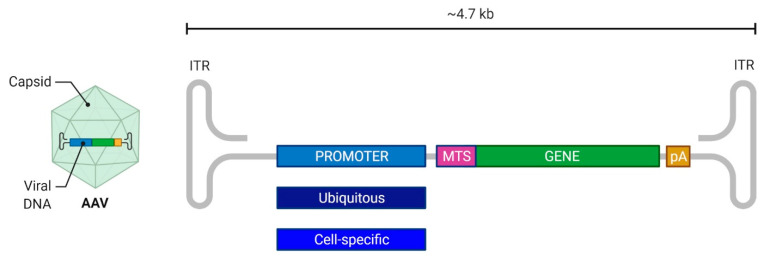
Mitochondrial diseases (MDs) are a group of severe genetic disorders caused by mutations in the nuclear or mitochondrial genome encoding proteins involved in the oxidative phosphorylation (OXPHOS) system. MDs have a wide range of symptoms, ranging from organ-specific to multisystemic dysfunctions, with different clinical outcomes. The lack of natural history information, the limits of currently available preclinical models, and the wide range of phenotypic presentations seen in MD patients have all hampered the development of effective therapies. The growing number of pre-clinical and clinical trials over the last decade has shown that gene therapy is a viable precision medicine option for treating MD. However, several obstacles must be overcome, including vector design, targeted tissue tropism and efficient delivery, transgene expression, and immunotoxicity. This manuscript offers a comprehensive overview of the state of the art of gene therapy in MD, addressing the main challenges, the most feasible solutions, and the future perspectives of the field.
线粒体疾病(MDs)是一组由核基因组或线粒体基因组中编码参与氧化磷酸化(OXPHOS)系统蛋白质的基因突变引起的严重遗传性疾病。MDs有广泛的症状,从器官特异性功能障碍到多系统功能障碍,临床结果各不相同。缺乏自然史信息、现有临床前模型的局限性以及MD患者中广泛的表型表现都阻碍了有效治疗方法的开发。过去十年中越来越多的临床前和临床试验表明,基因治疗是治疗MD的一种可行的精准医学选择。然而,必须克服几个障碍,包括载体设计、靶向组织嗜性和有效递送、转基因表达以及免疫毒性。本手稿全面概述了MD基因治疗的现状,阐述了主要挑战、最可行的解决方案以及该领域的未来前景。