Microbial Technology Department, CSIR-Central Institute of Medicinal and Aromatic Plants, Lucknow, 226015, India.
Plant Biotechnology Division, CSIR-Central Institute of Medicinal and Aromatic Plants, Lucknow, 226015, India.
Sci Rep. 2018 Apr 3;8(1):5450. doi: 10.1038/s41598-018-23716-5.
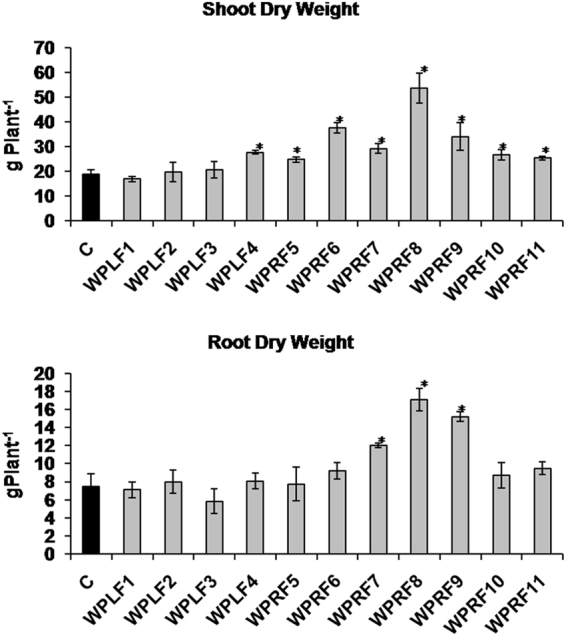
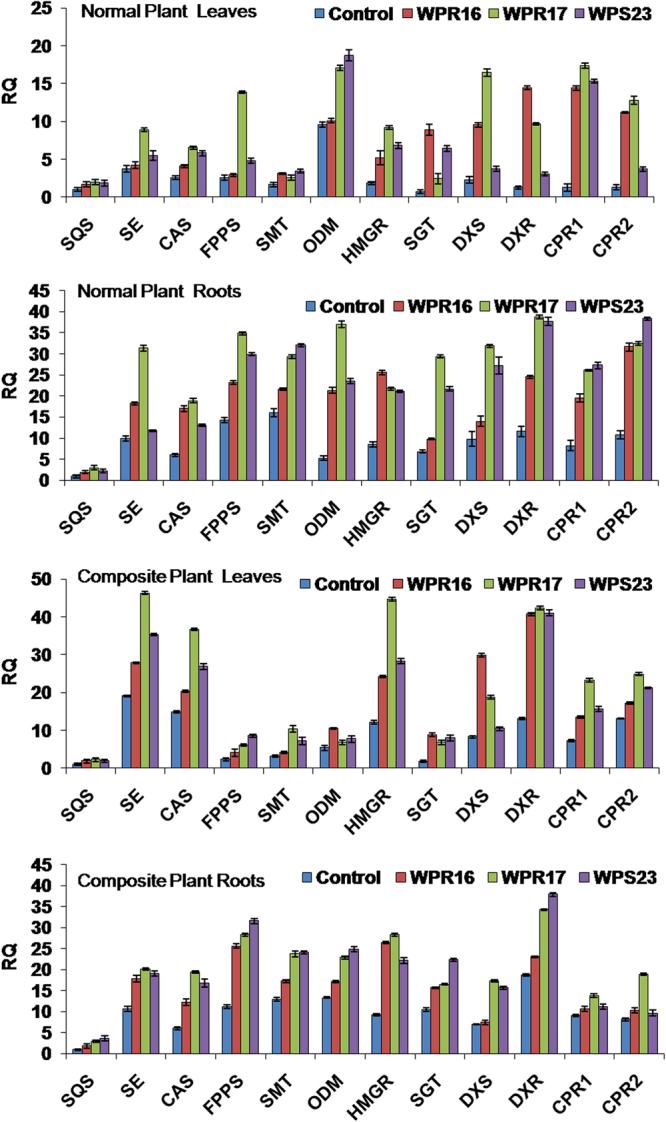
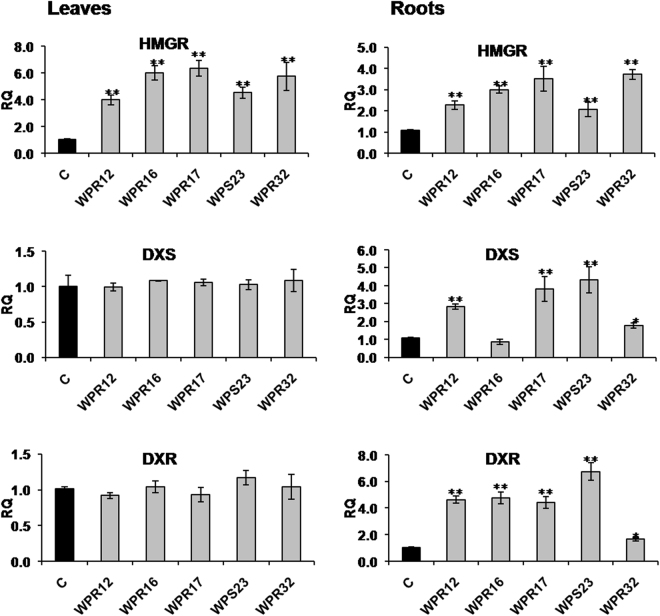
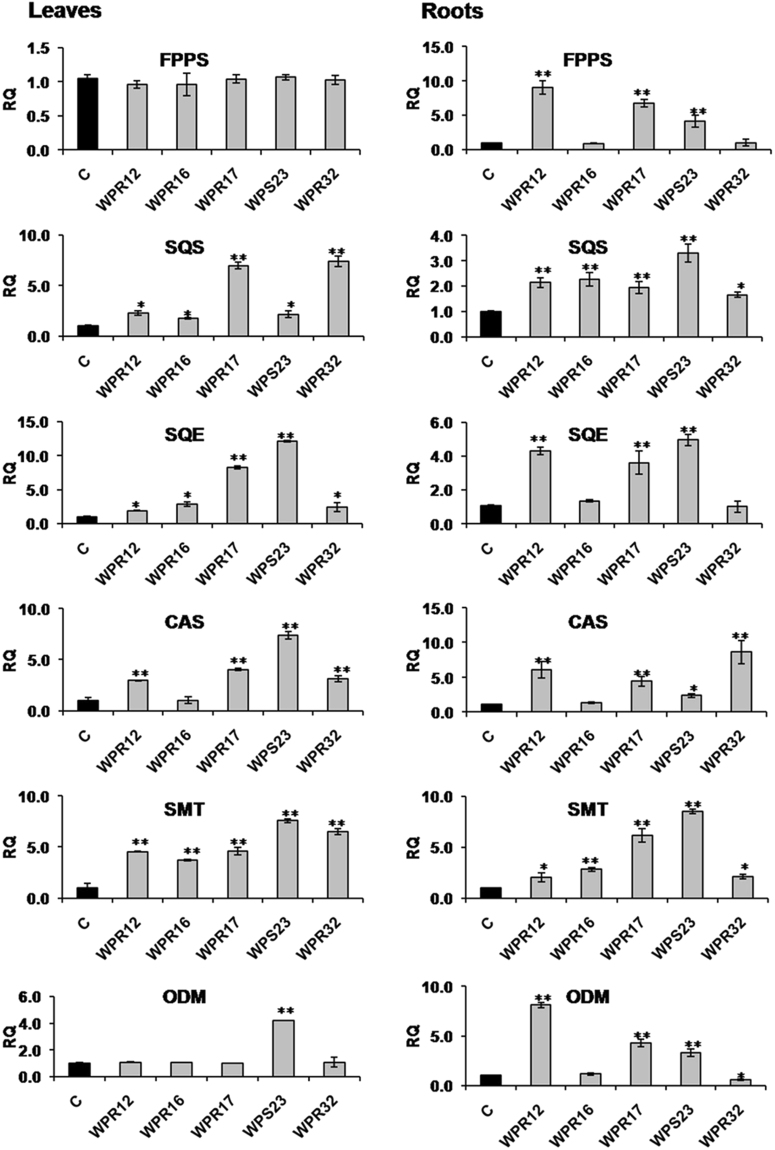
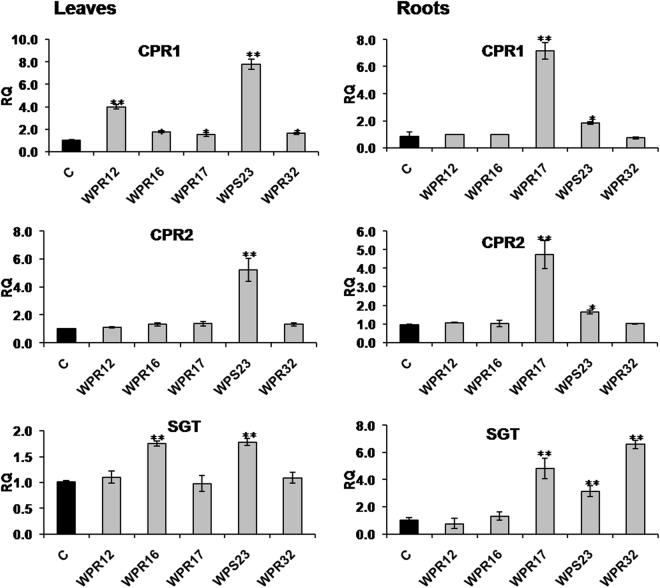
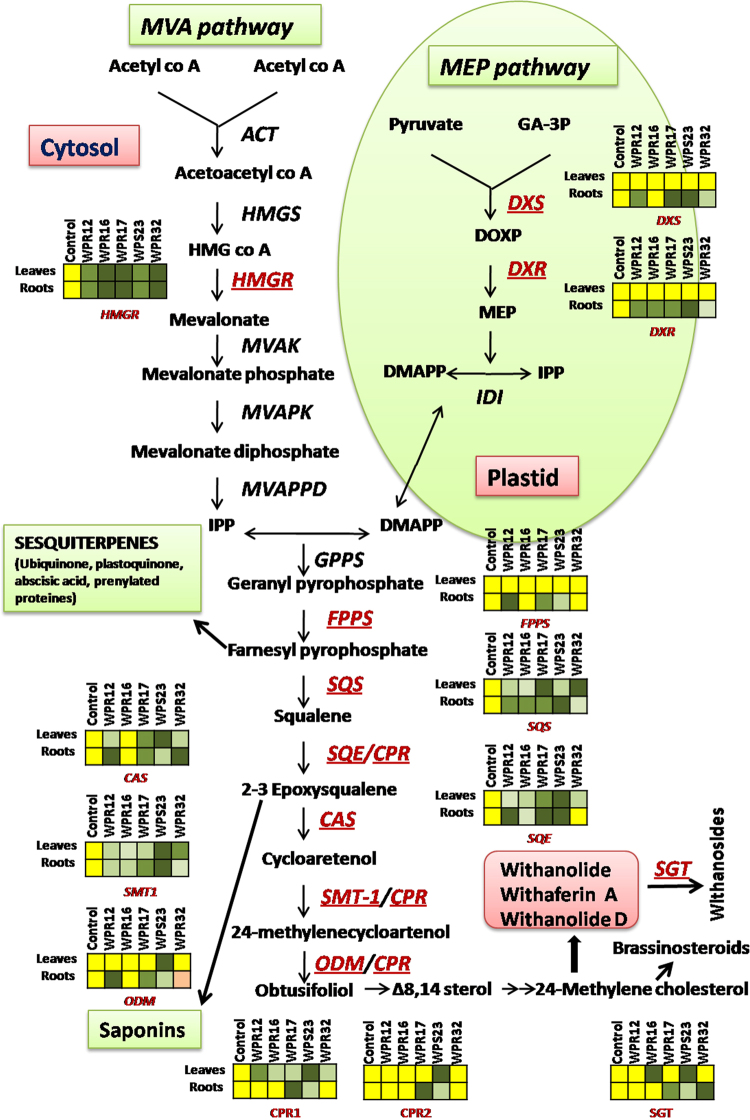
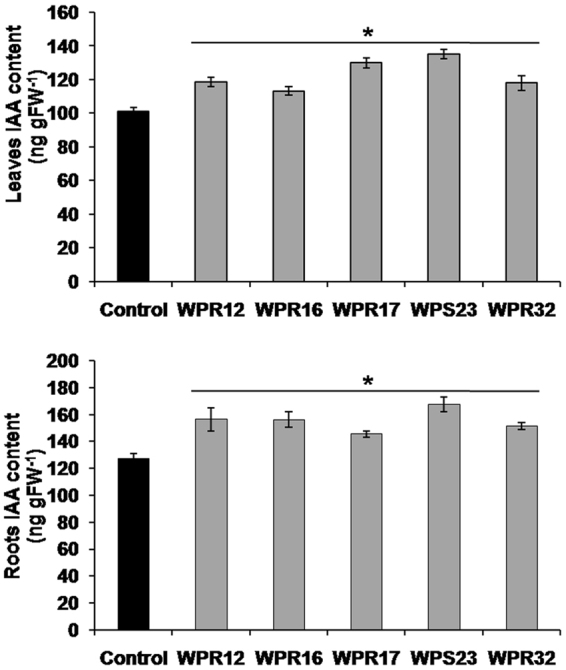
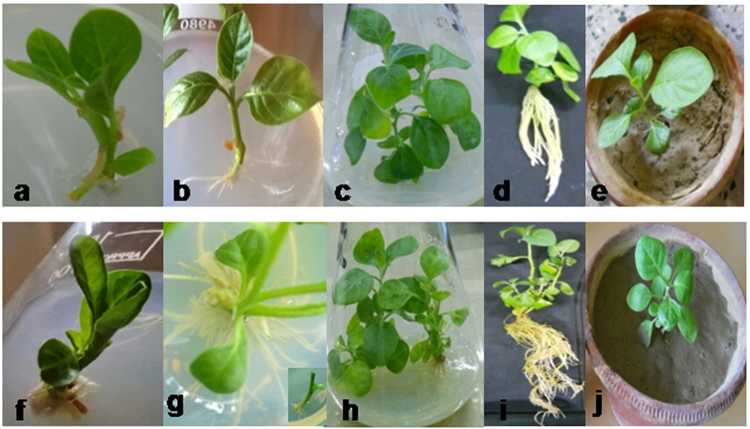
Tissue specific biosynthesis of secondary metabolites is a distinguished feature of medicinal plants. Withania somnifera, source of pharmaceutically important withanolides biosynthesizes withaferin-A in leaves and withanolide-A in roots. To increase the in planta withanolides production, a sustainable approach needs to be explored. Here, we isolated endophytes from different parts of W. somnifera plants and their promising role in in planta withanolide biosynthesis was established in both in-vivo grown as well in in-vitro raised composite W. somnifera plants. Overall, the fungal endophytes improved photosynthesis, plant growth and biomass, and the root-associated bacterial endophytes enhanced the withanolide content in both in-vivo and in-vitro grown plants by modulating the expression of withanolide biosynthesis genes in leaves and roots. Surprisingly, a few indole-3-acetic acid (IAA)-producing and nitrogen-fixing root-associated endophytes could induce the biosynthesis of withaferin-A in roots by inducing in planta IAA-production and upregulating the expression of withanolide biosynthesis genes especially MEP-pathway genes (DXS and DXR) in roots as well. Results indicate the role of endophytes in modulating the synthesis and site of withanolides production and the selected endophytes can be used for enhancing the in planta withanolide production and enriching roots with pharmaceutically important withaferin-A which is generally absent in roots.
植物组织特异性生物合成次生代谢产物是药用植物的一个显著特征。药用植物睡茄是合成具有重要药用价值的茄参碱的重要来源,其茄参碱 A 在叶片中合成,而茄参碱-A 在根中合成。为了提高植物体内茄参碱的产量,需要探索一种可持续的方法。在这里,我们从睡茄植物的不同部位分离出内生菌,并在体内和体外培养的复合睡茄植物中证实了它们在植物体内茄参碱生物合成中的作用。总的来说,真菌内生菌通过调节叶片和根系中茄参碱生物合成基因的表达,提高了光合作用、植物生长和生物量,而根相关的细菌内生菌通过调节叶片和根系中茄参碱生物合成基因的表达,提高了体内和体外生长植物中茄参碱的含量。令人惊讶的是,一些产生吲哚-3-乙酸(IAA)和固氮的根相关内生菌可以通过诱导植物体内 IAA 的产生和上调茄参碱生物合成基因的表达,特别是 MEP 途径基因(DXS 和 DXR),在根中诱导茄参碱 A 的生物合成。这些结果表明内生菌在调节茄参碱的合成和产生部位方面发挥着作用,并且可以选择内生菌来提高植物体内茄参碱的产量,并使根部富含药用价值的茄参碱 A,而茄参碱 A 通常不存在于根部。