Hanin Marie C E, Queenan Kevin, Savic Sara, Karimuribo Esron, Rüegg Simon R, Häsler Barbara
Department of Pathobiology and Population Sciences, Veterinary Epidemiology Economics and Public Health Group, Royal Veterinary College, London, United Kingdom.
Scientific Veterinary Institute Novi Sad, Novi Sad, Serbia.
Front Vet Sci. 2018 Mar 16;5:33. doi: 10.3389/fvets.2018.00033. eCollection 2018.
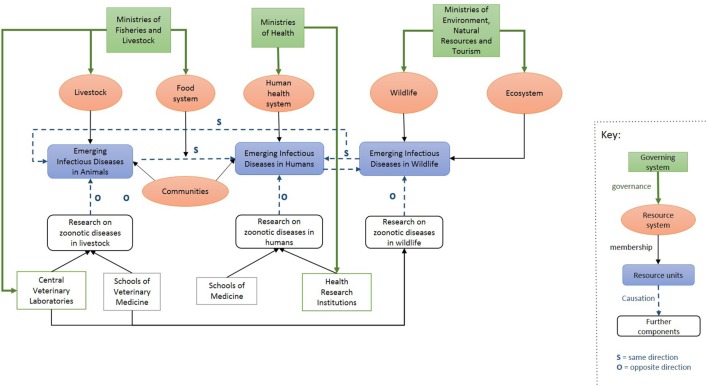
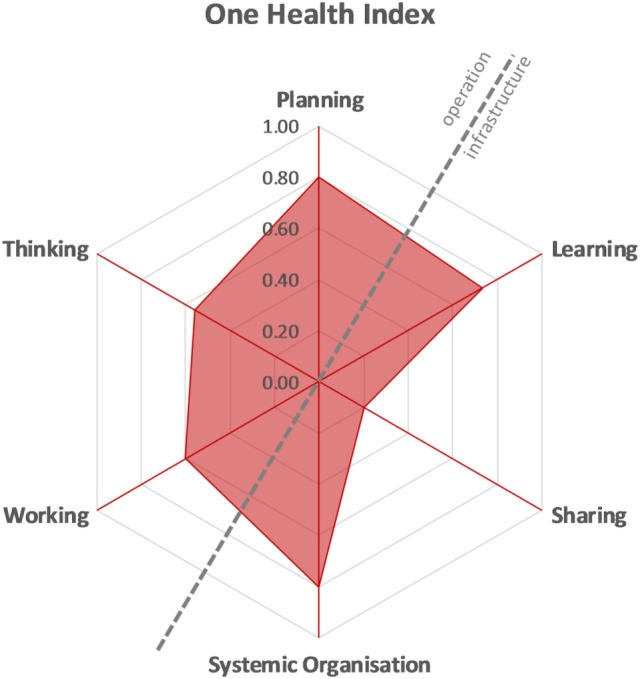
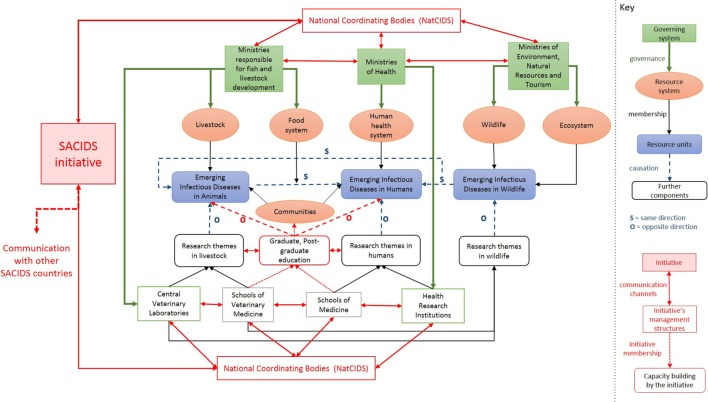
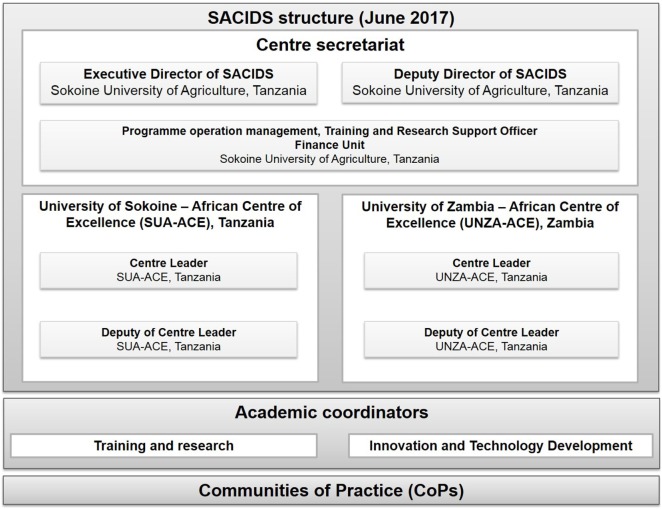
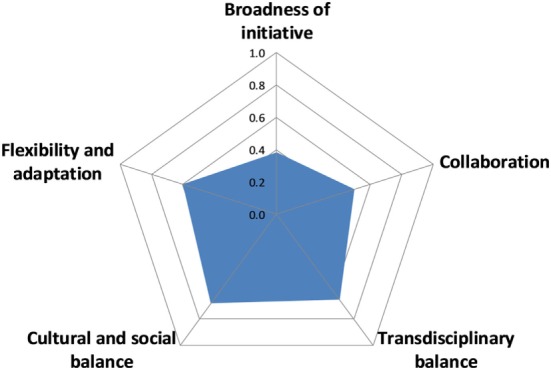
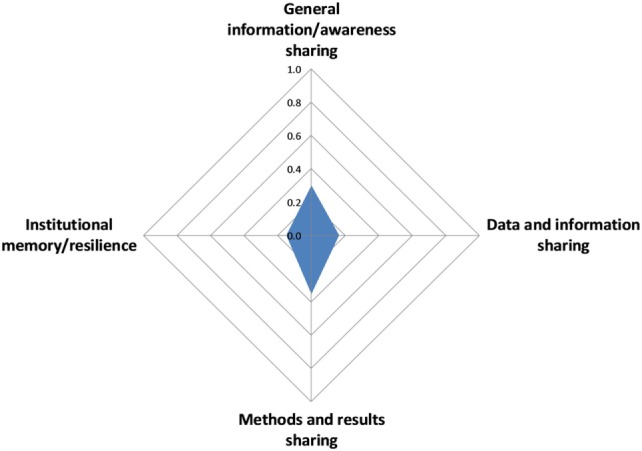
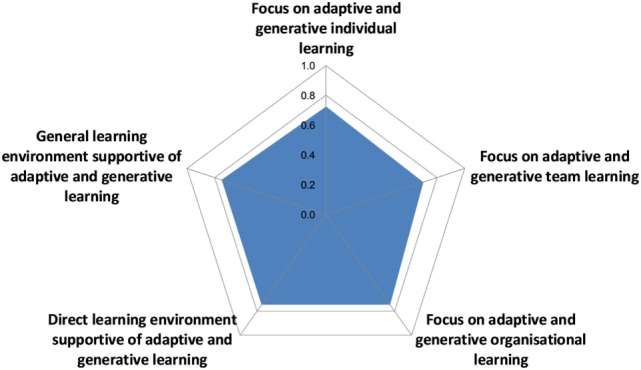
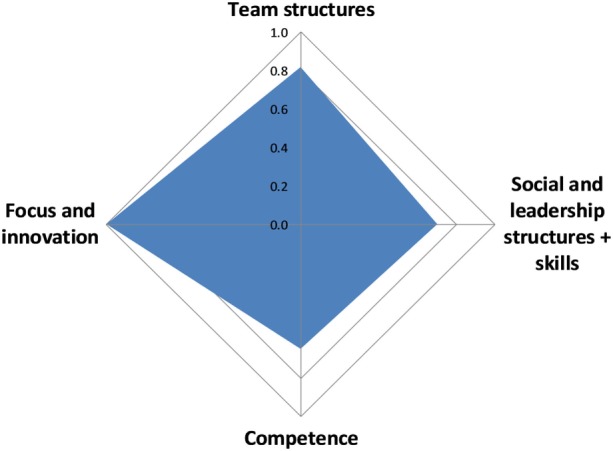
Rooted in the recognition that emerging infectious diseases occur at the interface of human, animal, and ecosystem health, the Southern African Centre for Infectious Disease Surveillance (SACIDS) initiative aims to promote a trans-sectoral approach to address better infectious disease risk management in five countries of the Southern African Development Community. Nine years after SACIDS' inception, this study aimed to evaluate the program by applying a One Health (OH) evaluation framework developed by the Network for Evaluation of One Health (NEOH). The evaluation included a description of the context and the initiative, illustration of the theory of change, identification of outputs and outcomes, and assessment of the One Healthness. The latter is the sum of characteristics that defines an integrated approach and includes OH thinking, OH planning, OH working, sharing infrastructure, learning infrastructure, and systemic organization. The protocols made available by NEOH were used to develop data collection protocols and identify the study design. The framework relies on a mixed methods approach by combining a descriptive and qualitative assessment with a semi-quantitative evaluation (scoring). Data for the analysis were gathered during a document review, in group and individual interviews and in an online survey. Operational aspects (i.e., OH thinking, planning, and working) were found to be balanced overall with the highest score in the planning dimension, whereas the infrastructure (learning infrastructure, systemic organization, and sharing infrastructure) was high for the first two dimensions, but low for sharing. The OH index calculated was 0.359, and the OH ratio calculated was 1.495. The program was praised for its great innovative energy in a difficult landscape dominated by poor infrastructure and its ability to create awareness for OH and enthuse people for the concept; training of people and networking. Shortcomings were identified regarding the balance of contributions, funds and activities across member countries in the South, lack of data sharing, unequal allocation of resources, top-down management structures, and limited horizontal collaboration. Despite these challenges, SACIDS is perceived to be an effective agent in tackling infectious diseases in an integrated manner.
基于对新发传染病发生于人类、动物和生态系统健康交叉领域的认识,南部非洲传染病监测中心(SACIDS)倡议旨在推动跨部门方法,以更好地应对南部非洲发展共同体五个国家的传染病风险管理。SACIDS成立九年后,本研究旨在通过应用由“同一健康”评估网络(NEOH)开发的“同一健康”(OH)评估框架来评估该项目。评估内容包括对背景和倡议的描述、变革理论的阐释、产出和成果的识别以及“同一健康”程度的评估。后者是定义综合方法的特征总和,包括“同一健康”思维、“同一健康”规划、“同一健康”工作、共享基础设施、学习基础设施和系统组织。NEOH提供的方案被用于制定数据收集方案并确定研究设计。该框架依靠混合方法,将描述性和定性评估与半定量评估(评分)相结合。分析数据是在文件审查、小组和个人访谈以及在线调查期间收集的。运营方面(即“同一健康”思维、规划和工作)总体上较为平衡,规划维度得分最高,而基础设施(学习基础设施、系统组织和共享基础设施)在前两个维度较高,但共享维度较低。计算得出的“同一健康”指数为0.359,“同一健康”比率为1.495。该项目因其在基础设施薄弱的艰难环境中展现出的巨大创新活力以及其提高“同一健康”意识并激发人们接受该概念的能力、人员培训和网络建设而受到赞扬。同时也发现了一些不足之处,包括南部成员国之间贡献、资金和活动的平衡问题、缺乏数据共享、资源分配不均、自上而下的管理结构以及有限的横向合作。尽管存在这些挑战,但SACIDS被视为以综合方式应对传染病的有效力量。