Sornapudi Sudhir, Stanley Ronald Joe, Stoecker William V, Almubarak Haidar, Long Rodney, Antani Sameer, Thoma George, Zuna Rosemary, Frazier Shelliane R
Department of Electrical and Computer Engineering, Missouri University of Science and Technology, Rolla, USA.
Stoecker and Associates, Rolla MO, USA.
J Pathol Inform. 2018 Mar 5;9:5. doi: 10.4103/jpi.jpi_74_17. eCollection 2018.
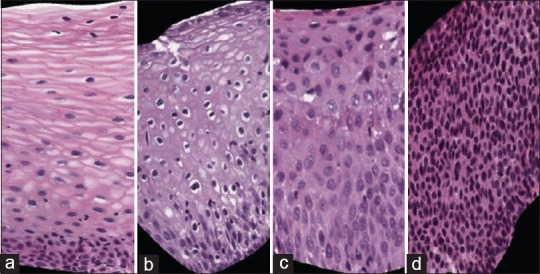
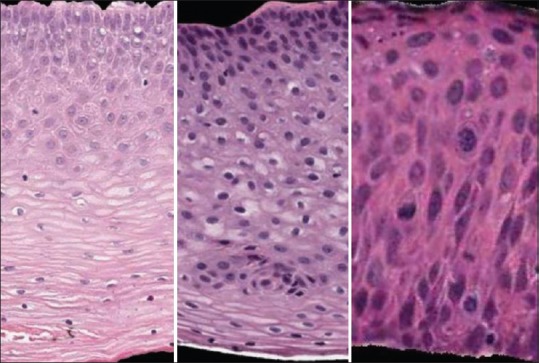
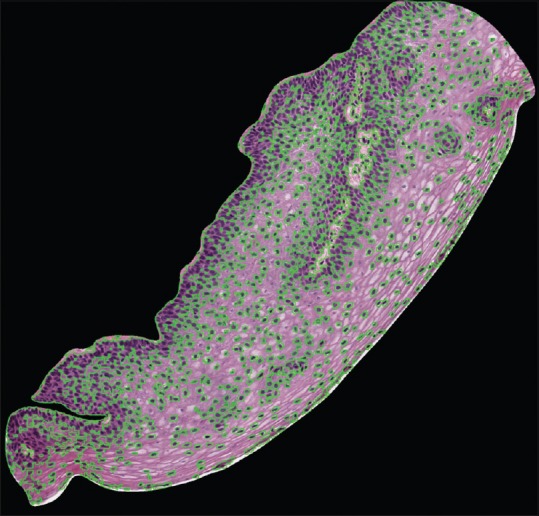
Advances in image analysis and computational techniques have facilitated automatic detection of critical features in histopathology images. Detection of nuclei is critical for squamous epithelium cervical intraepithelial neoplasia (CIN) classification into normal, CIN1, CIN2, and CIN3 grades.
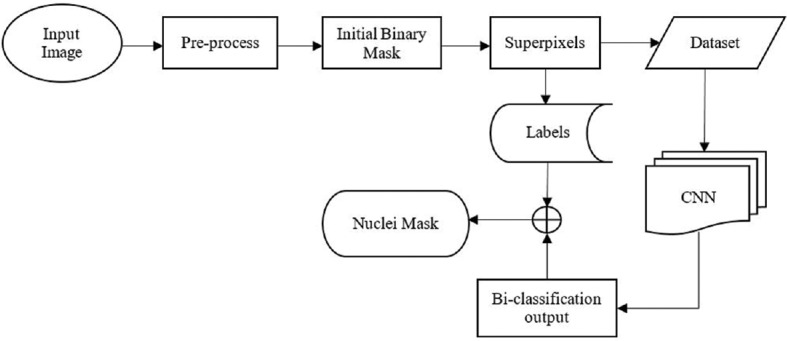
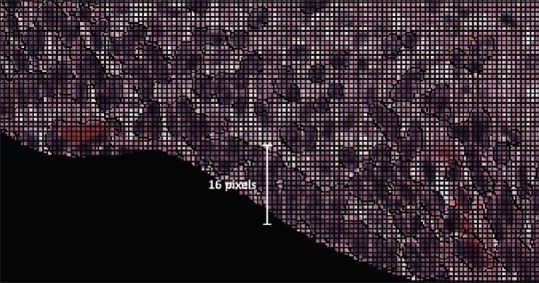
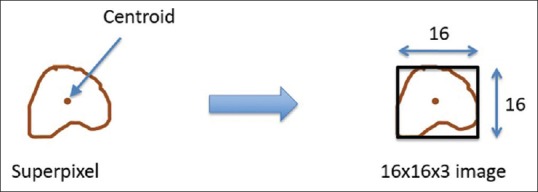
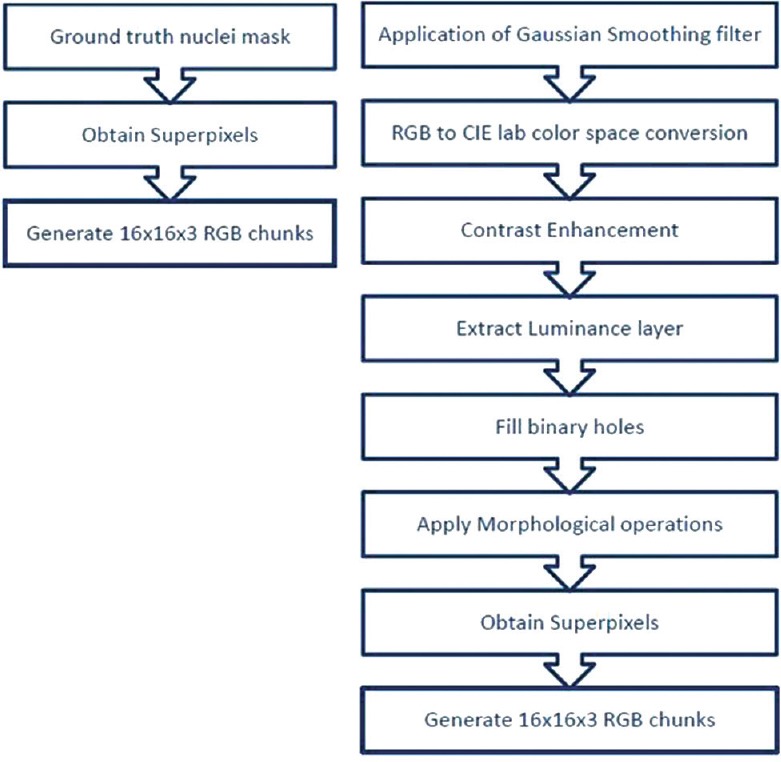
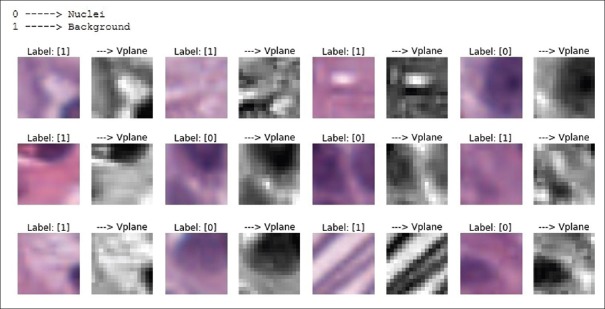
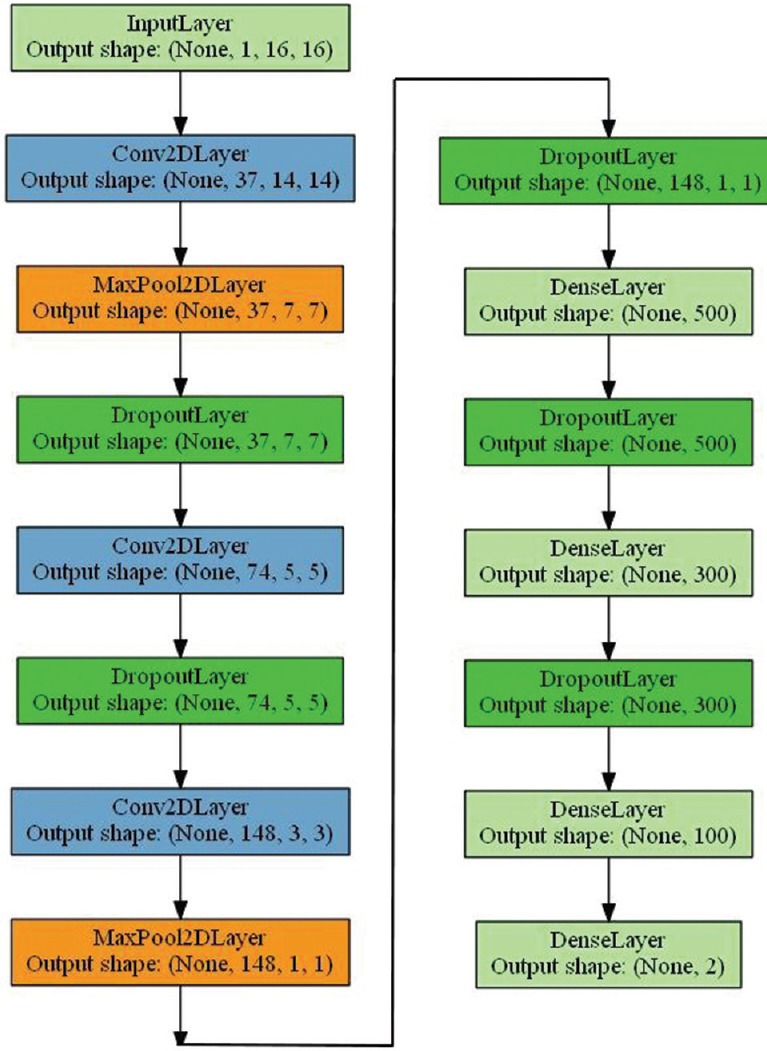
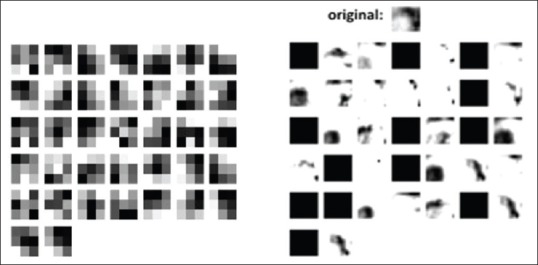
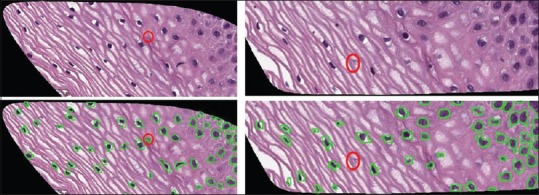
In this study, a deep learning (DL)-based nuclei segmentation approach is investigated based on gathering localized information through the generation of superpixels using a simple linear iterative clustering algorithm and training with a convolutional neural network.
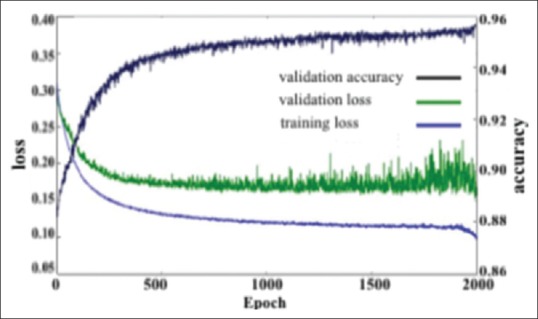
The proposed approach was evaluated on a dataset of 133 digitized histology images and achieved an overall nuclei detection (object-based) accuracy of 95.97%, with demonstrated improvement over imaging-based and clustering-based benchmark techniques.
The proposed DL-based nuclei segmentation Method with superpixel analysis has shown improved segmentation results in comparison to state-of-the-art methods.
图像分析和计算技术的进步促进了组织病理学图像中关键特征的自动检测。细胞核的检测对于将鳞状上皮宫颈上皮内瘤变(CIN)分类为正常、CIN1、CIN2和CIN3级至关重要。
在本研究中,基于使用简单线性迭代聚类算法生成超像素来收集局部信息并通过卷积神经网络进行训练,研究了一种基于深度学习(DL)的细胞核分割方法。
该方法在一个包含133张数字化组织学图像的数据集上进行了评估,实现了总体细胞核检测(基于对象)的准确率为95.97%,与基于成像和基于聚类的基准技术相比有明显改进。
与现有技术方法相比,所提出的基于深度学习的带有超像素分析的细胞核分割方法显示出了更好的分割结果。