Sanford Maria J, Van Zee Nathan J, Coates Geoffrey W
Dept. of Chemistry and Chemical Biology , Baker Laboratory , Cornell University , Ithaca , NY 14853-1301 , USA . Email:
Chem Sci. 2017 Nov 15;9(1):134-142. doi: 10.1039/c7sc03643d. eCollection 2018 Jan 7.
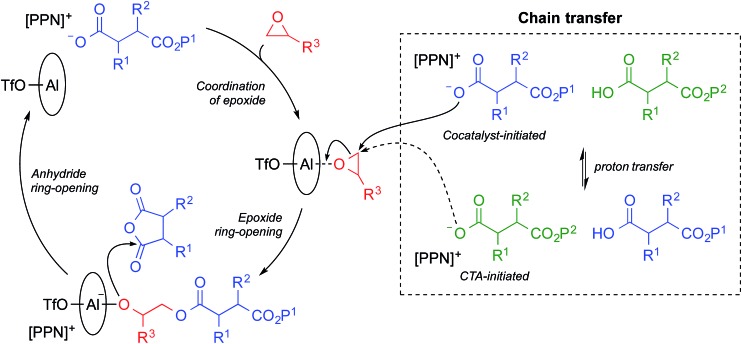
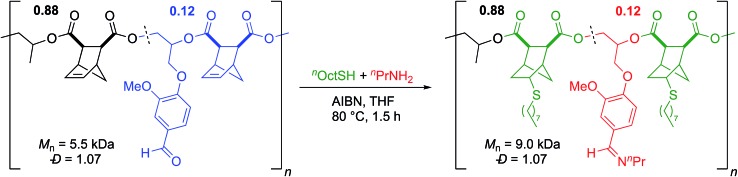
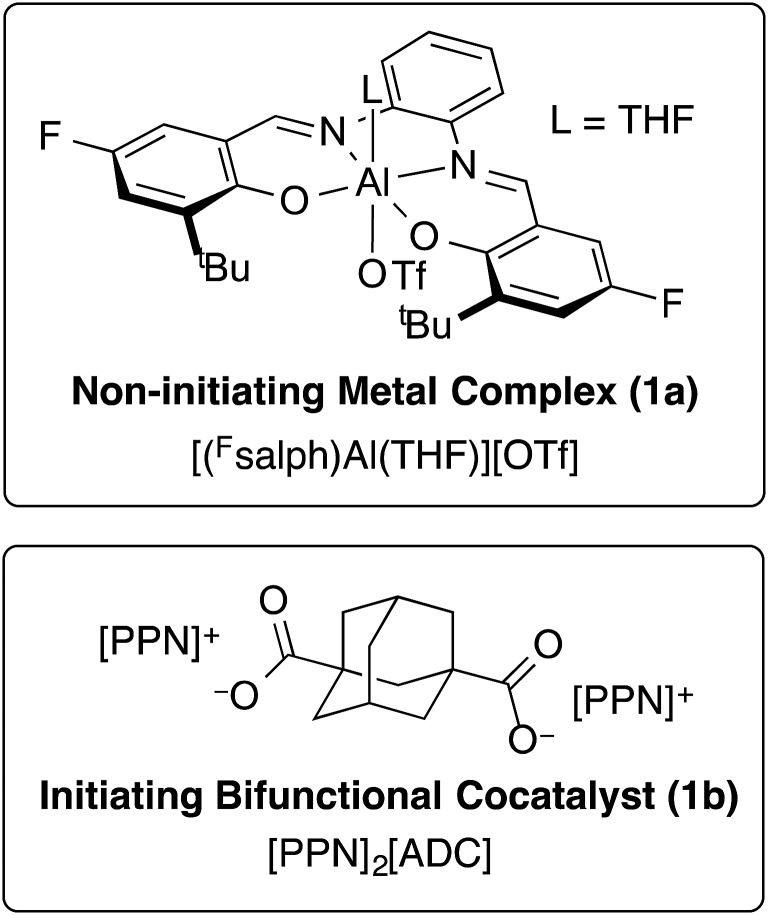
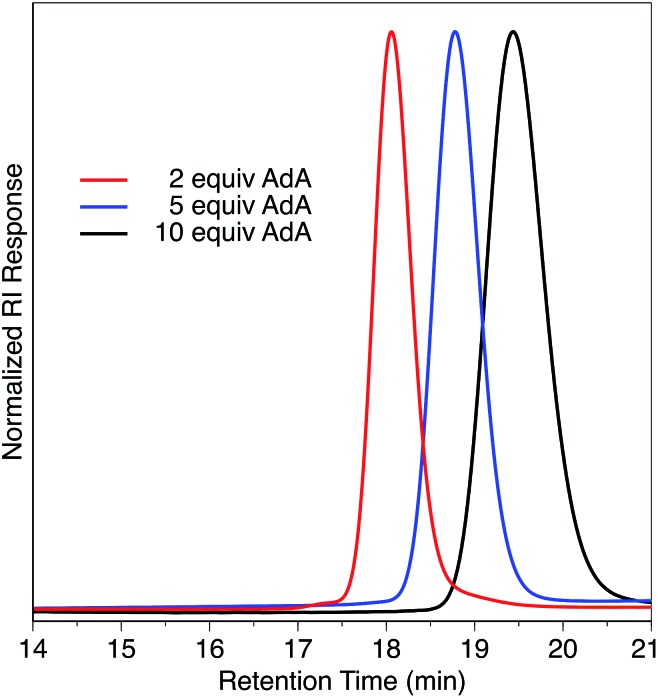
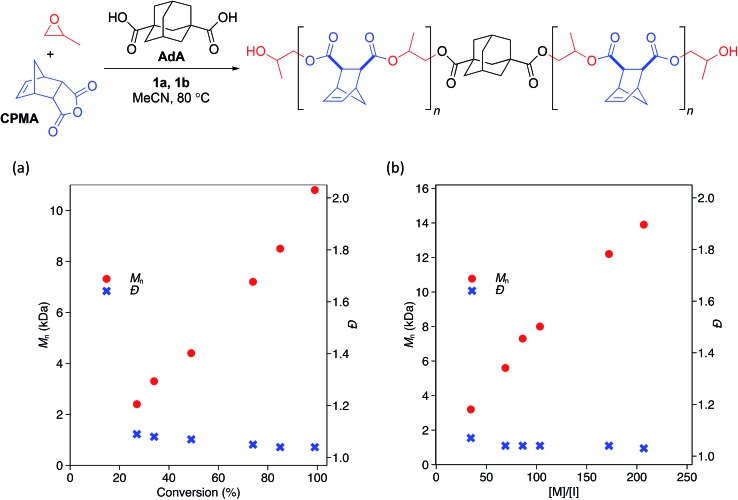
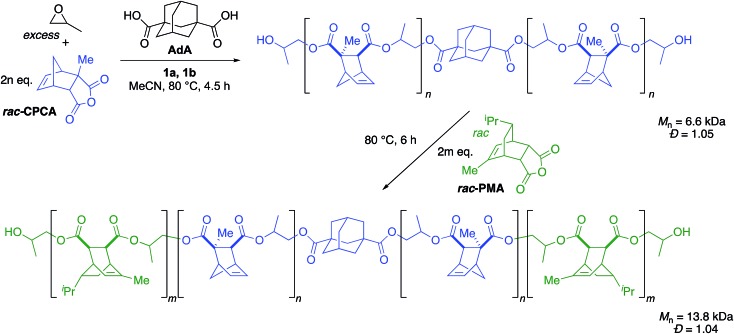
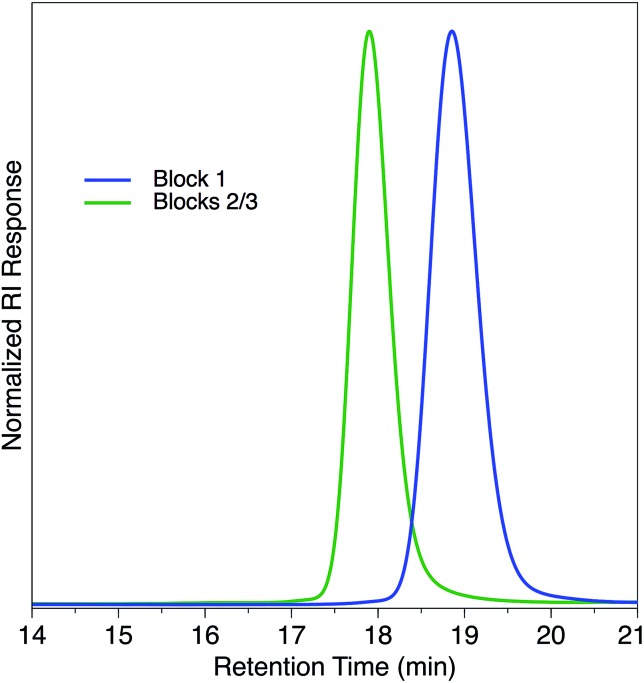
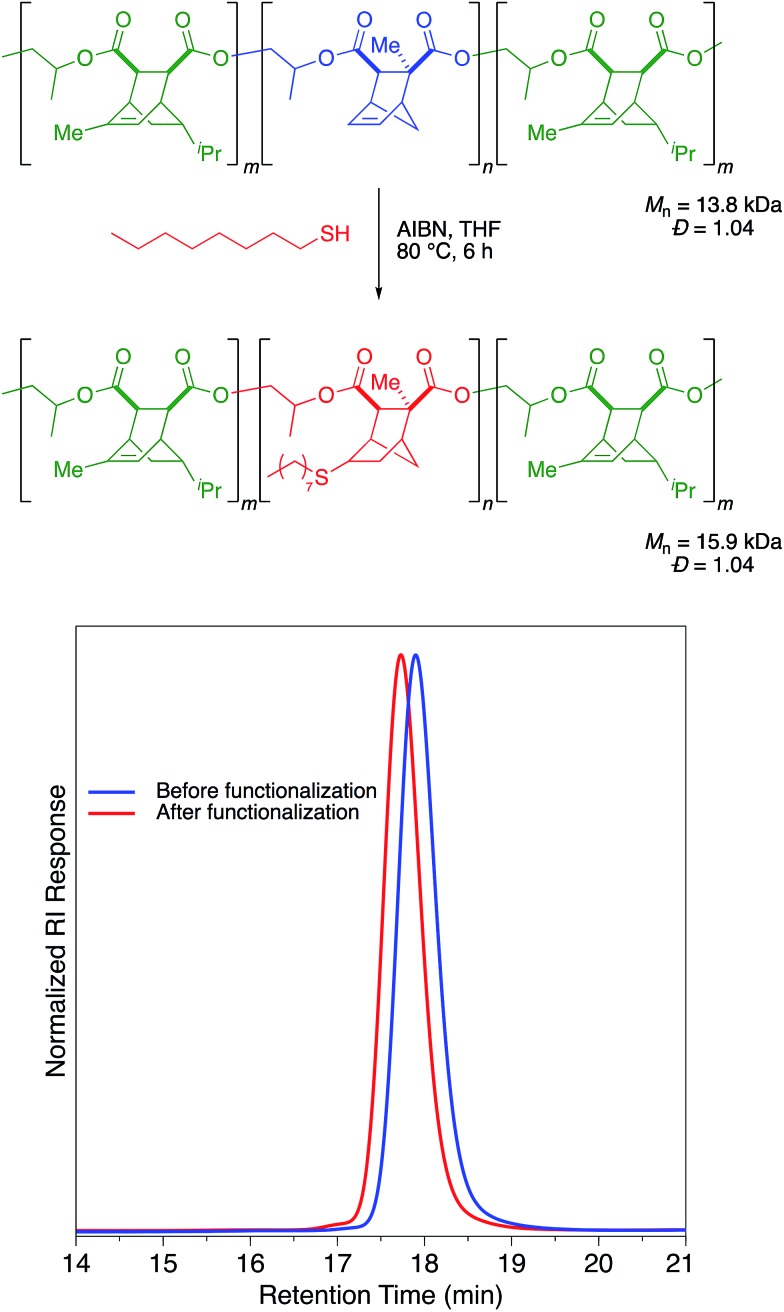
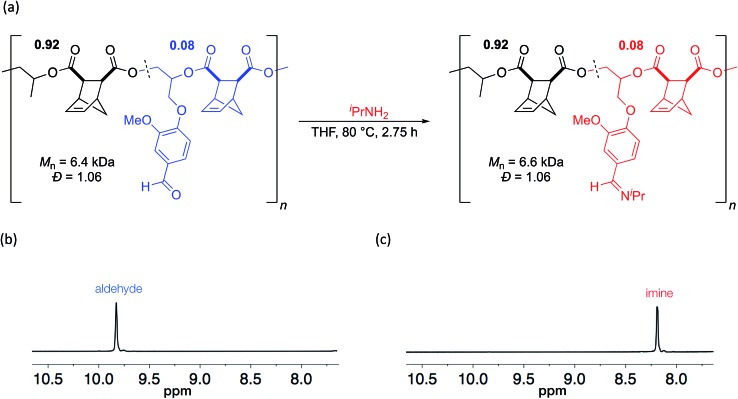
The alternating copolymerization of epoxides and cyclic anhydrides is an increasingly popular route to aliphatic polyesters that are of interest as biodegradable replacements for petroleum-based polymers and for use in the biomedical field. However, broad and bimodal molecular weight distributions in these polymerizations continues to be an issue, limiting synthesis of multiblock copolymers. By use of a bifunctional catalytic system, the reversible-deactivation anionic alternating ring-opening copolymerization of epoxides and cyclic anhydrides gives unimodal polymers with values generally less than 1.07. This allowed for the formation of well-defined triblock copolymers. Additionally, by incorporating both aldehyde and alkene functionalities into the polymer, orthogonal post-polymerization modification was achieved, giving access to well-defined highly modifiable aliphatic polyesters.
环氧化物与环状酸酐的交替共聚是一种越来越受欢迎的制备脂肪族聚酯的方法,这类聚酯作为石油基聚合物的可生物降解替代品以及用于生物医学领域具有重要意义。然而,这些聚合反应中宽且双峰的分子量分布仍然是一个问题,限制了多嵌段共聚物的合成。通过使用双功能催化体系,环氧化物与环状酸酐的可逆失活阴离子交替开环共聚可得到单峰聚合物,其分散度通常小于1.07。这使得能够形成结构明确的三嵌段共聚物。此外,通过将醛基和烯烃官能团引入聚合物中,实现了正交的聚合后修饰,从而能够制备结构明确且高度可修饰的脂肪族聚酯。