Li Jinze, Ma Xiaowei, Wang Yu, Chen Chengjuan, Hu Min, Wang Linlin, Fu Junmin, Shi Gaona, Zhang Dongming, Zhang Tiantai
State Key Laboratory of Bioactive Substances and Functions of Natural Medicines, Department of Pharmacology, Institute of Materia Medica, Chinese Academy of Medical Sciences & Peking Union Medical College, Beijing, China.
Department of Pharmacy, Beijing Shijitan Hospital, Capital Medical University, Beijing, China.
Front Aging Neurosci. 2018 Mar 27;10:85. doi: 10.3389/fnagi.2018.00085. eCollection 2018.
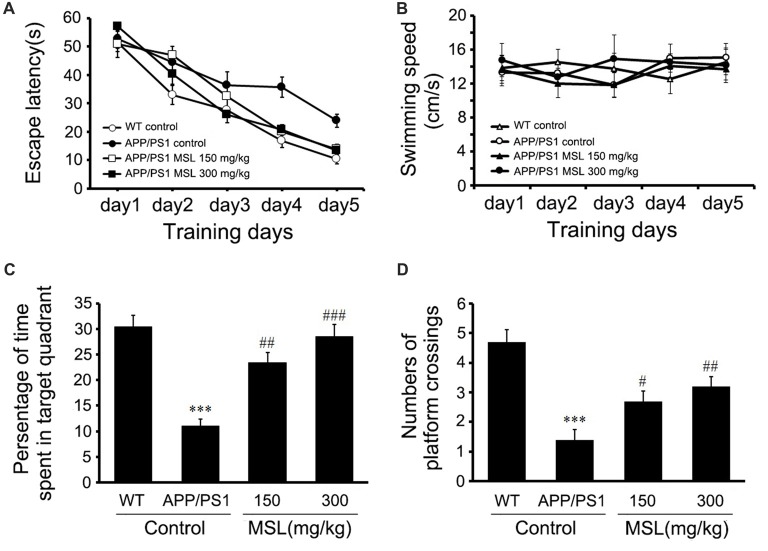
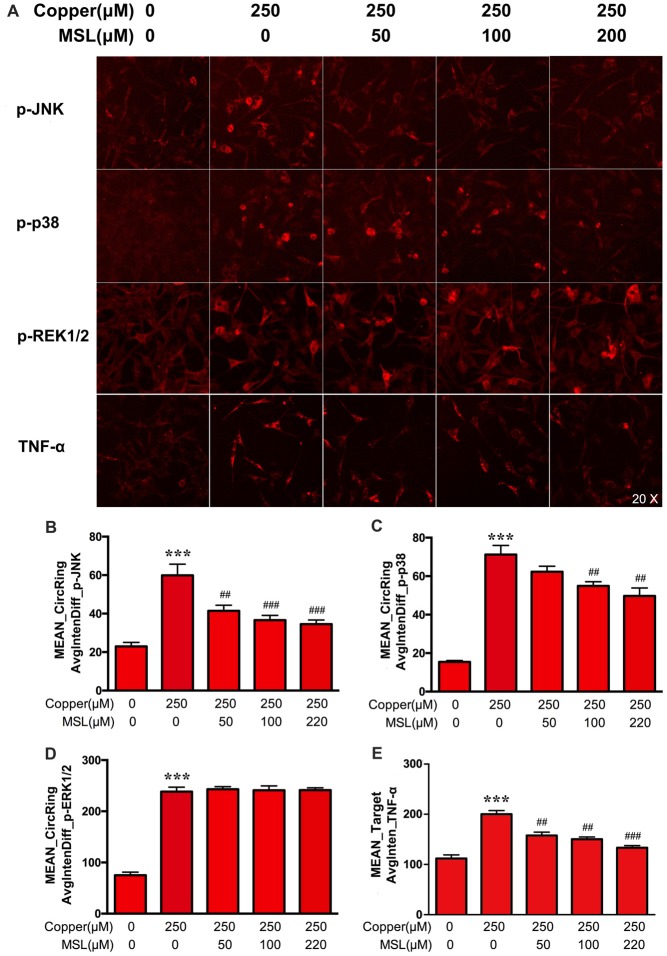
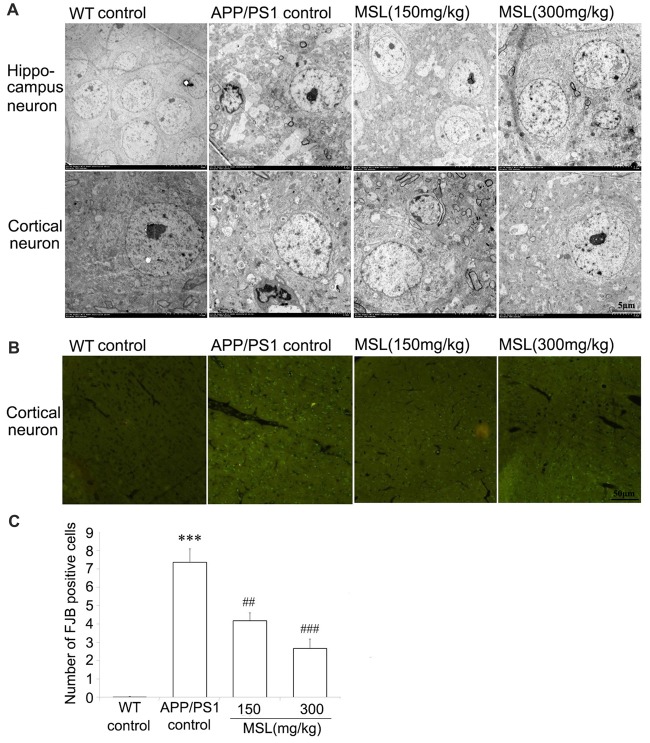
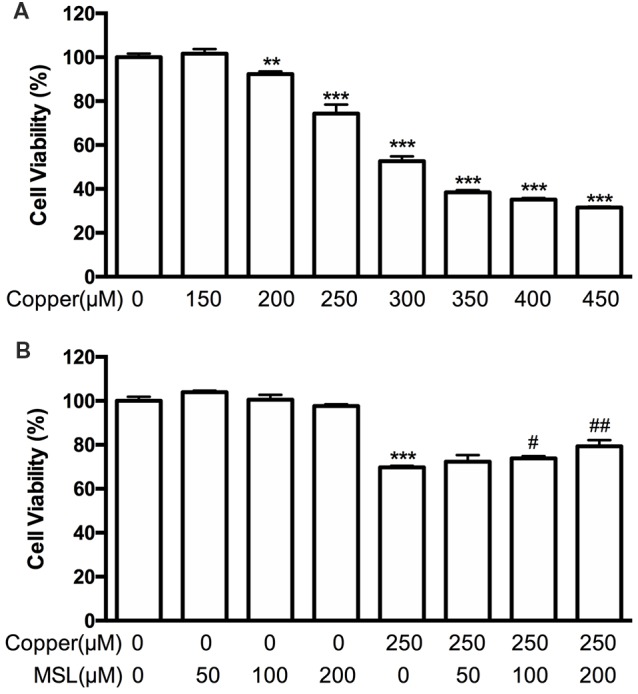
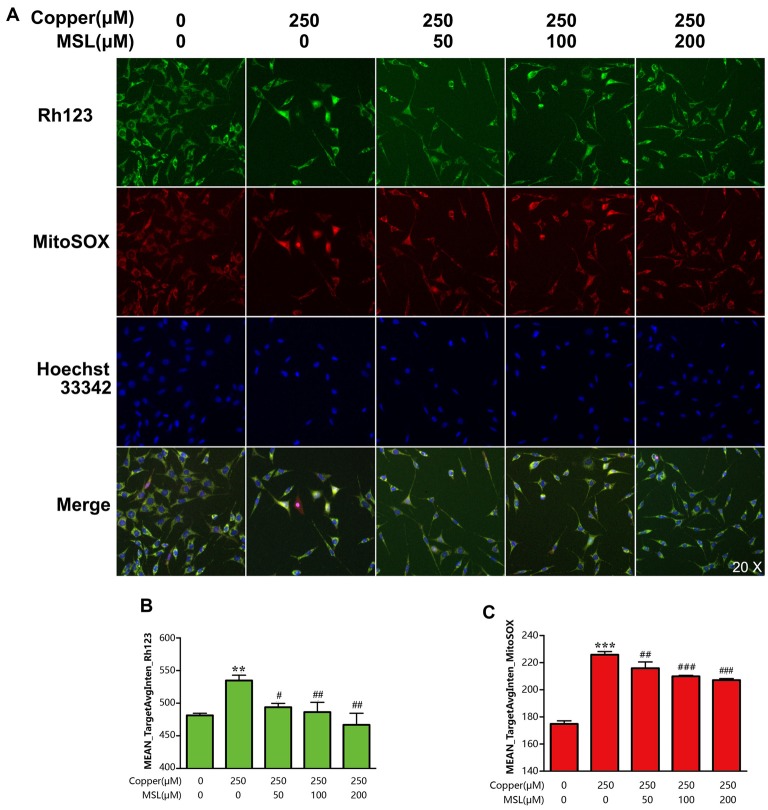
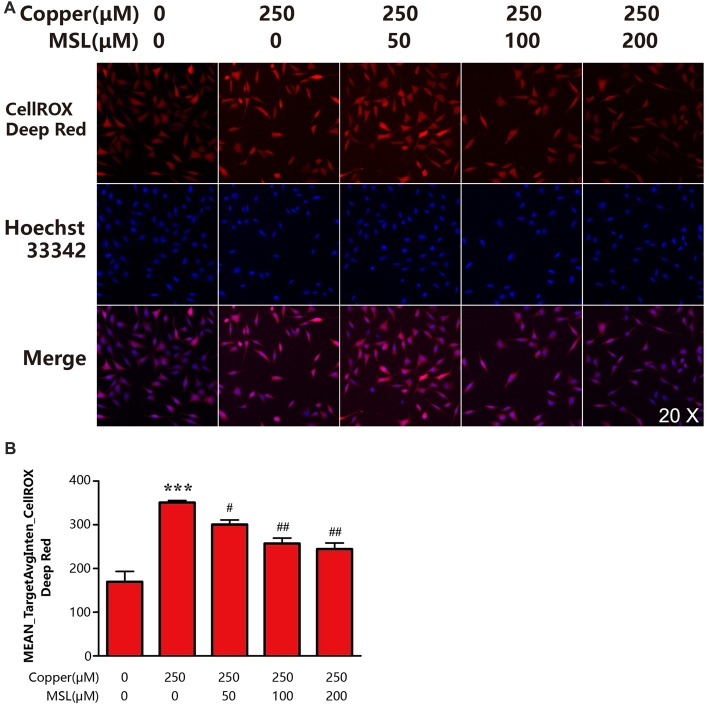
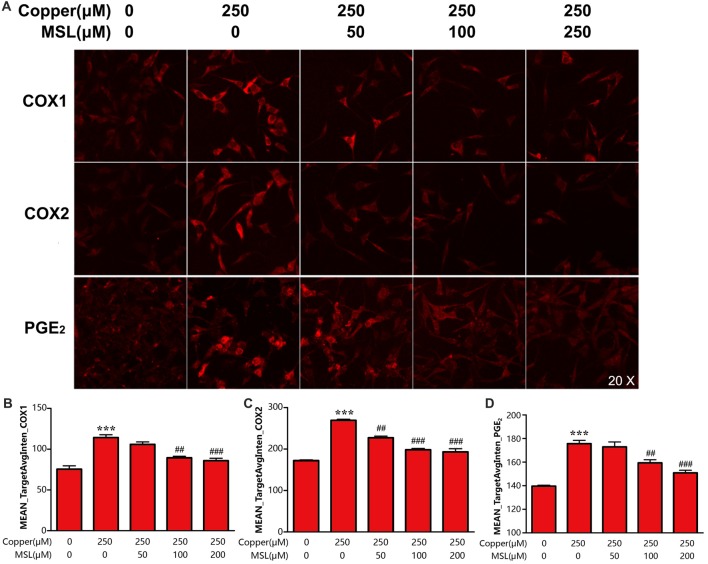
Neuroinflammatory reactions mediated by microglia and astrocytes have been shown to play a key role in early progression of Alzheimer's disease (AD). Increased evidences have demonstrated that neurons exacerbate local inflammatory reactions by producing inflammatory mediators and act as an important participant in the pathogenesis of AD. Methyl salicylate lactoside (MSL) is an isolated natural product that is part of a class of novel non-steroidal anti-inflammatory drugs (NSAID). In our previous studies, we demonstrated that MSL exhibited therapeutic effects on arthritis-induced mice and suppressed the activation of glial cells. In the current study, we investigated the effects of MSL on cognitive function and neuronal protection induced by amyloid-beta peptides (Aβ) and explored potential underlying mechanisms involved. Amyloid precursor protein (APP) and presenilin 1 (PS1) double transgenic mice were used to evaluate the effects of MSL through behavioral testing and neuronal degenerative changes. In addition, copper-injured APP Swedish mutation overexpressing SH-SY5Y cells were used to determine the transduction of cyclooxygenase (COX) and mitogen-activated protein kinase (MAPK) pathways. Our results indicated that at an early stage, MSL treatment ameliorated cognitive impairment and neurodegeneration in APP/PS1 mice. Moreover, in an AD model, MSL treatment protected injured cells by increasing cell viability, improving mitochondrial dysfunction, and decreasing oxidative damage. In addition, MSL inhibited the phosphorylated level of c-Jun N-terminal kinase (JNK) and p38 MAPK, and suppressed the expression of COX-1/2. As a novel NSAIDs and used for the treatment in early stage of AD, MSL clearly demonstrated cognitive preservation by protecting neurons via a pleiotropic anti-inflammatory effect in the context of AD-associated deficits. Therefore, early treatment of anti-inflammatory therapy may be an effective strategy for treating AD.
小胶质细胞和星形胶质细胞介导的神经炎症反应已被证明在阿尔茨海默病(AD)的早期进展中起关键作用。越来越多的证据表明,神经元通过产生炎症介质加剧局部炎症反应,并在AD的发病机制中作为重要参与者。水杨酸甲酯乳糖苷(MSL)是一种分离出的天然产物,属于一类新型非甾体抗炎药(NSAID)。在我们之前的研究中,我们证明MSL对关节炎诱导的小鼠具有治疗作用,并抑制胶质细胞的激活。在本研究中,我们研究了MSL对淀粉样β肽(Aβ)诱导的认知功能和神经元保护的影响,并探讨了潜在的相关机制。淀粉样前体蛋白(APP)和早老素1(PS1)双转基因小鼠用于通过行为测试和神经元退行性变化评估MSL的作用。此外,用铜损伤的过表达APP瑞典突变体的SH-SY5Y细胞来确定环氧化酶(COX)和丝裂原活化蛋白激酶(MAPK)途径的转导。我们的结果表明,在早期,MSL治疗改善了APP/PS1小鼠的认知障碍和神经退行性变。此外,在AD模型中,MSL治疗通过提高细胞活力、改善线粒体功能障碍和减少氧化损伤来保护受损细胞。此外,MSL抑制c-Jun氨基末端激酶(JNK)和p38 MAPK的磷酸化水平,并抑制COX-1/2的表达。作为一种新型NSAID并用于AD的早期治疗,MSL通过在AD相关缺陷的背景下通过多效抗炎作用保护神经元,清楚地证明了其对认知的保护作用。因此,早期抗炎治疗可能是治疗AD的有效策略。