Department of Pediatrics, Samsung Medical Center, Sungkyunkwan University School of Medicine, Seoul, South Korea.
Stem Cell and Regenerative Medicine Institute, Samsung Medical Center, Seoul, South Korea.
Exp Mol Med. 2018 Apr 13;50(4):1-12. doi: 10.1038/s12276-018-0055-8.
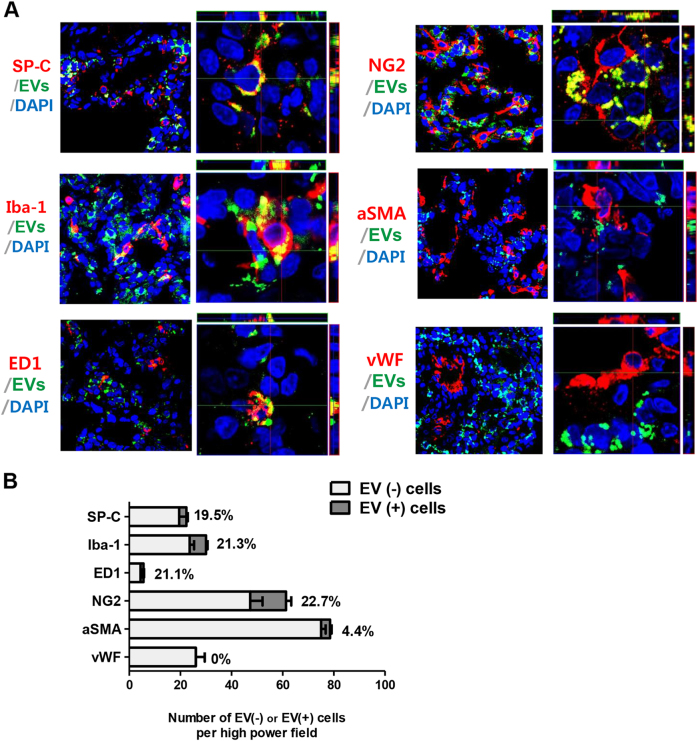
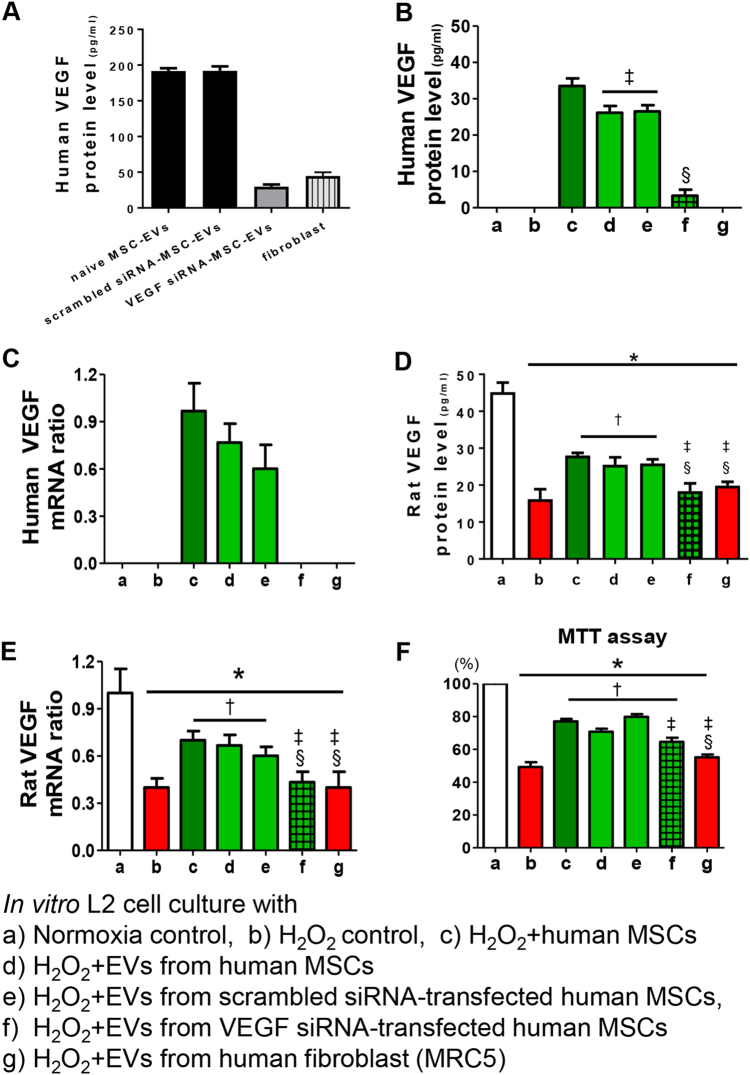
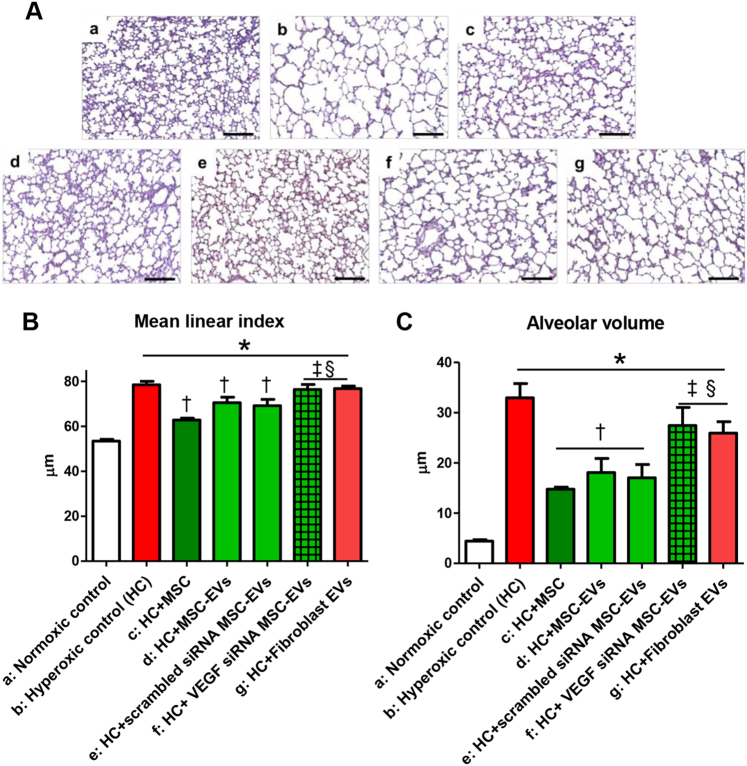
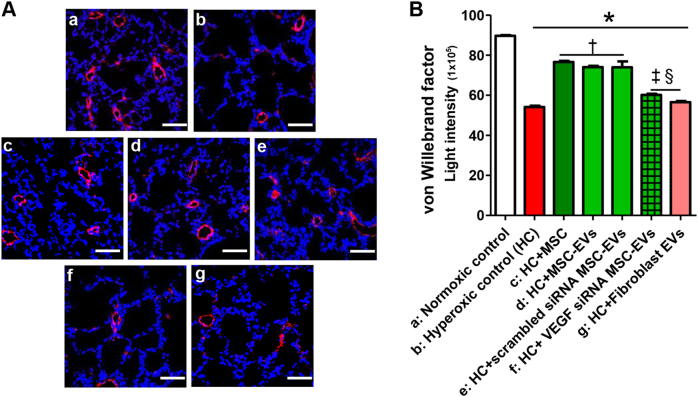
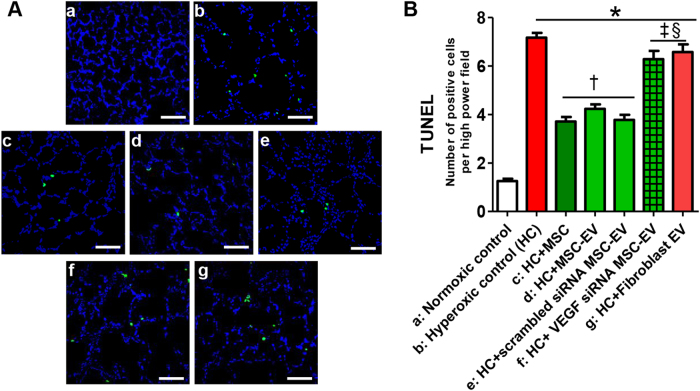
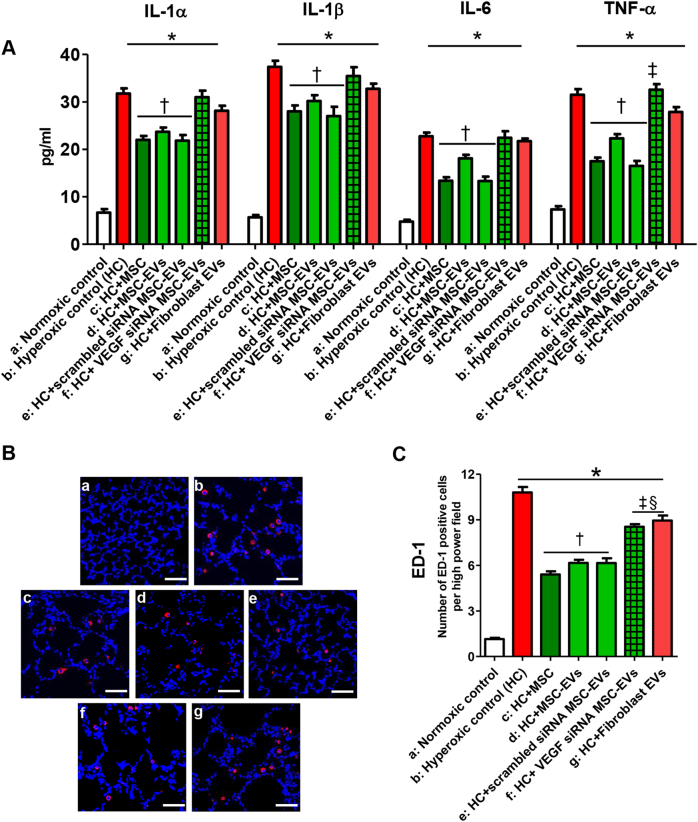
We previously reported the role of vascular endothelial growth factor (VEGF) secreted by mesenchymal stem cells (MSCs) in protecting against neonatal hyperoxic lung injuries. Recently, the paracrine protective effect of MSCs was reported to be primarily mediated by extracellular vesicle (EV) secretion. However, the therapeutic efficacy of MSC-derived EVs and the role of the VEGF contained within EVs in neonatal hyperoxic lung injury have not been elucidated. The aim of the study was to determine whether MSC-derived EVs attenuate neonatal hyperoxic lung injury and, if so, whether this protection is mediated via the transfer of VEGF. We compared the therapeutic efficacy of MSCs, MSC-derived EVs with or without VEGF knockdown, and fibroblast-derived EVs in vitro with a rat lung epithelial cell line challenged with HO and in vivo with newborn Sprague-Dawley rats exposed to hyperoxia (90%) for 14 days. MSCs (1 × 10 cells) or EVs (20 µg) were administered intratracheally on postnatal day 5. The MSCs and MSC-derived EVs, but not the EVs derived from VEGF-knockdown MSCs or fibroblasts, attenuated the in vitro HO-induced L2 cell death and the in vivo hyperoxic lung injuries, such as impaired alveolarization and angiogenesis, increased cell death, and activated macrophages and proinflammatory cytokines. PKH67-stained EVs were internalized into vascular pericytes (22.7%), macrophages (21.3%), type 2 epithelial cells (19.5%), and fibroblasts (4.4%) but not into vascular endothelial cells. MSC-derived EVs are as effective as parental MSCs for attenuating neonatal hyperoxic lung injuries, and this protection was mediated primarily by the transfer of VEGF.
我们之前报道了间充质干细胞(MSCs)分泌的血管内皮生长因子(VEGF)在防治新生鼠高氧肺损伤中的作用。最近,有研究报道 MSCs 的旁分泌保护作用主要是通过细胞外囊泡(EV)的分泌来介导的。然而,MSC 来源的 EV 的治疗效果以及 EV 中包含的 VEGF 在新生鼠高氧肺损伤中的作用尚未阐明。本研究旨在确定 MSC 来源的 EV 是否能减轻新生鼠高氧肺损伤,如果能,这种保护作用是否是通过 VEGF 的转移来介导的。我们比较了 MSCs、MSC 来源的 EV(有无 VEGF 敲低)以及成纤维细胞来源的 EV 在体外与高氧(90%)处理的大鼠肺上皮细胞系共培养和体内与新生 Sprague-Dawley 大鼠共培养 14 天的治疗效果。在生后第 5 天经气管内给予 MSCs(1×10 个细胞)或 EVs(20μg)。MSCs 和 MSC 来源的 EV,但不是 VEGF 敲低 MSC 或成纤维细胞来源的 EV,能减轻体外高氧诱导的 L2 细胞死亡和体内高氧肺损伤,如肺泡化和血管生成受损、细胞死亡增加以及激活的巨噬细胞和促炎细胞因子增加。PKH67 标记的 EV 被内化到血管周细胞(22.7%)、巨噬细胞(21.3%)、Ⅱ型上皮细胞(19.5%)和成纤维细胞(4.4%),但不进入血管内皮细胞。MSC 来源的 EV 与亲本 MSCs 一样能有效减轻新生鼠高氧肺损伤,这种保护作用主要是通过 VEGF 的转移来介导的。