Division of Nephrology, Medizinische Klinik und Poliklinik IV, Klinikum der Universität München, Munich, Germany.
Preclinical Imaging Platform Erlangen, Institute of Radiology, Friedrich-Alexander-Universität Erlangen-Nürnberg, Erlangen, Germany.
Front Immunol. 2018 Mar 29;9:619. doi: 10.3389/fimmu.2018.00619. eCollection 2018.
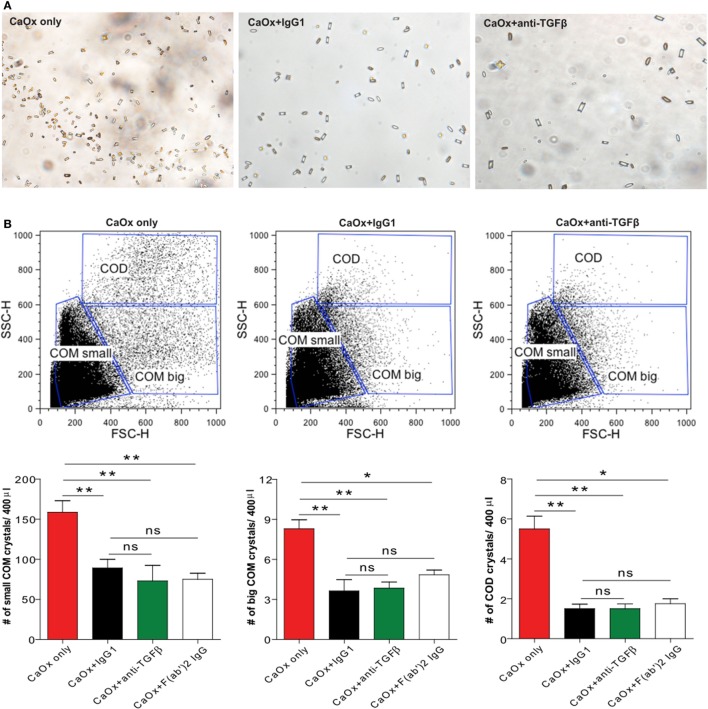
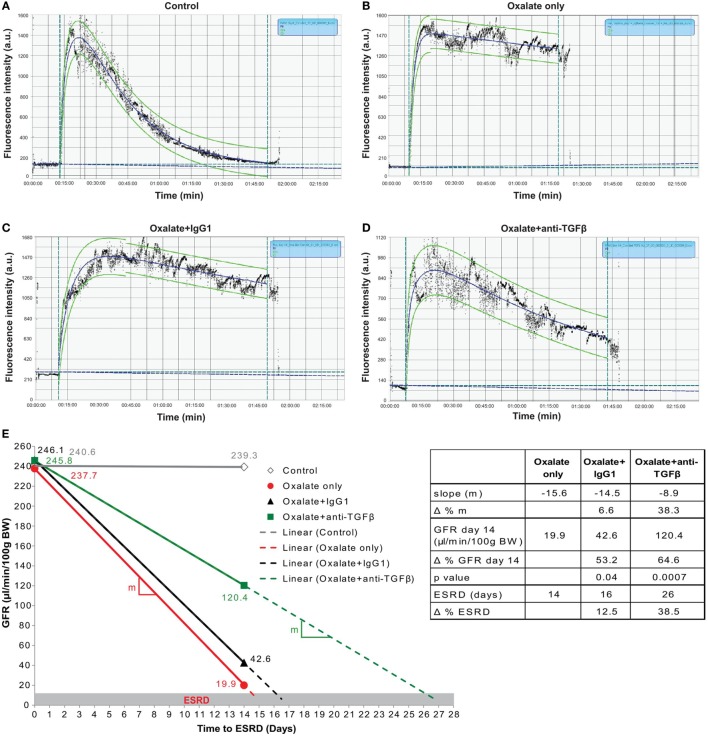
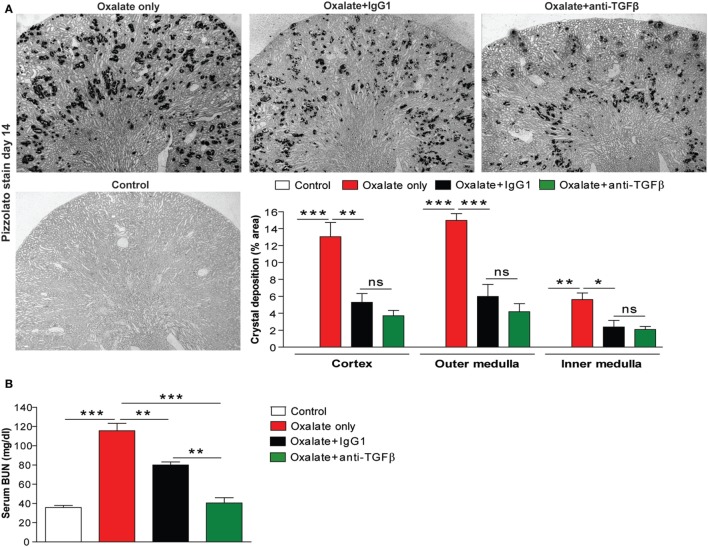
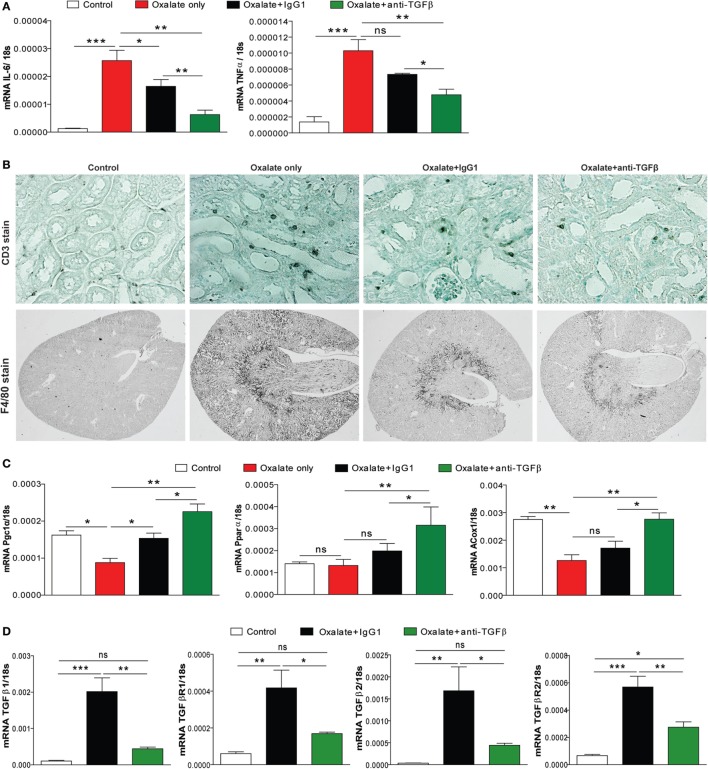
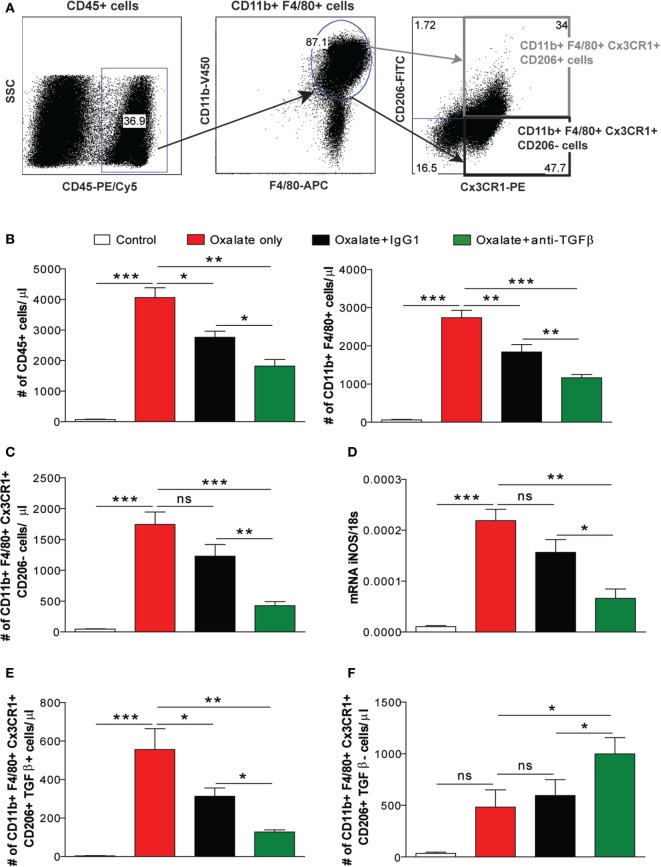
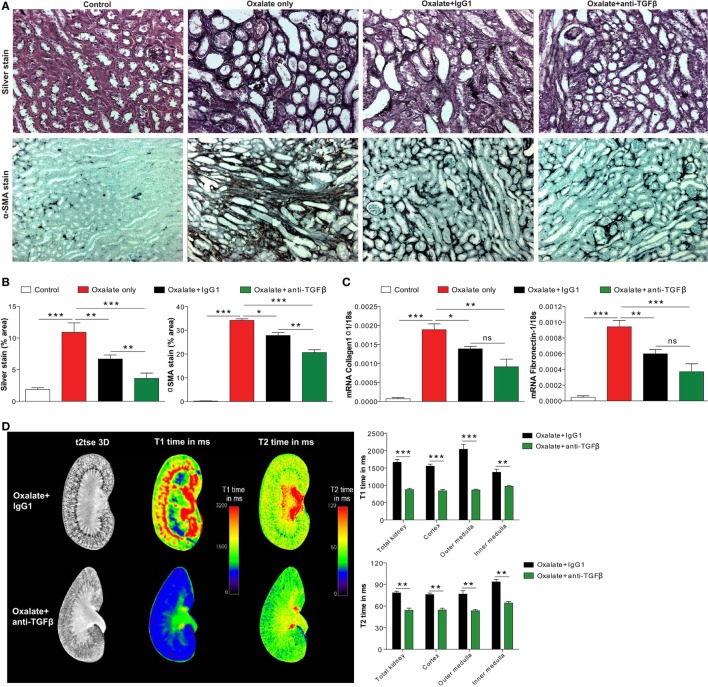
Crystallopathies are a heterogeneous group of diseases caused by intrinsic or environmental microparticles or crystals, promoting tissue inflammation and scarring. Certain proteins interfere with crystal formation and growth, e.g., with intrarenal calcium oxalate (CaOx) crystal formation, a common cause of kidney stone disease or nephrocalcinosis-related chronic kidney disease (CKD). We hypothesized that immunoglobulins can modulate CaOx microcrystal formation and crystal growth and that therefore, biological IgG-based drugs designed to specifically target disease modifying proteins would elicit a dual effect on the outcome of CaOx-related crystallopathies. Indeed, both the anti-transforming growth factor (TGF)β IgG and control IgG1 antibody impaired CaOx crystallization , and decreased intrarenal CaOx crystal deposition and subsequent CKD in mice on an oxalate-rich diet compared to oxalate-fed control mice. However, the TGFβ-specific IgG antibody showed nephroprotective effects beyond those of control IgG1 and substantially reduced interstitial fibrosis as indicated by magnetic resonance imaging, silver and α-smooth muscle actin staining, RT-qPCR, and flow cytometry for pro-fibrotic macrophages. Suppressing interstitial fibrosis slowed the decline of glomerular filtration rate (GFR) compared to treatment with control IgG1 [slope of = -8.9 vs. = -14.5 μl/min/100 g body weight (BW)/day, Δ = 38.3%], an increased GFR at the end of the study (120.4 vs. 42.6 μl/min/100 g BW, Δ = 64.6%), and prolonged end stage renal disease (ESRD)-free renal survival by 10 days (Δ = 38.5%). Delayed onset of anti-TGFβ IgG from day 7 was no longer effective. Our results suggest that biological drugs can elicit dual therapeutic effects on intrinsic crystallopathies, such as anti-TGFβ IgG antibody treatment inhibits CaOx crystallization as well as interstitial fibrosis in nephrocalcinosis-related CKD.
晶体病变是一组由内在或环境中的微粒或晶体引起的异质疾病,促进组织炎症和瘢痕形成。某些蛋白质会干扰晶体的形成和生长,例如,肾内草酸钙(CaOx)晶体的形成,这是肾结石病或与肾钙化为相关的慢性肾脏病(CKD)的常见原因。我们假设免疫球蛋白可以调节 CaOx 微晶的形成和晶体生长,因此,专门针对疾病修饰蛋白设计的基于生物 IgG 的药物会对 CaOx 相关晶体病变的结果产生双重影响。事实上,抗转化生长因子(TGF)β IgG 和对照 IgG1 抗体都能抑制 CaOx 结晶,并减少草酸饮食喂养的小鼠肾内 CaOx 晶体沉积和随后的 CKD。然而,TGFβ 特异性 IgG 抗体除了对照 IgG1 以外还具有肾脏保护作用,并且如磁共振成像、银和α-平滑肌肌动蛋白染色、RT-qPCR 和促纤维化巨噬细胞的流式细胞术所示,明显减少了间质纤维化。与用对照 IgG1 治疗相比,抑制间质纤维化可减缓肾小球滤过率(GFR)的下降(斜率为-8.9 与-14.5 μl/min/100 g 体重(BW)/天,Δ=38.3%),研究结束时 GFR 增加(120.4 与 42.6 μl/min/100 g BW,Δ=64.6%),并使终末期肾病(ESRD)无肾脏生存时间延长 10 天(Δ=38.5%)。从第 7 天开始延迟使用抗-TGFβ IgG 不再有效。我们的结果表明,生物药物可以对内在晶体病变产生双重治疗作用,例如抗-TGFβ IgG 抗体治疗不仅可以抑制 CaOx 结晶,还可以抑制与肾钙化为相关的 CKD 中的间质纤维化。