Devi L Babita, Bora Durlav Prasad, Das S K, Sharma R K, Mukherjee S, Hazarika R A
KVK Churachandpur, ICAR Manipur Centre, Imphal, Manipur, India.
Department of Microbiology, College of Veterinary Science, AAU, Khanapara, Guwahati - 781 022, Assam, India.
Vet World. 2018 Mar;11(3):348-354. doi: 10.14202/vetworld.2018.348-354. Epub 2018 Mar 21.
The present study was conducted to detect and identify the virulence genes in isolates of porcine origin from Assam.
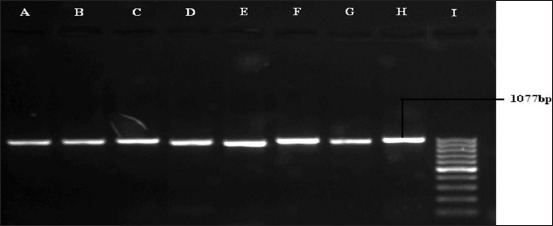
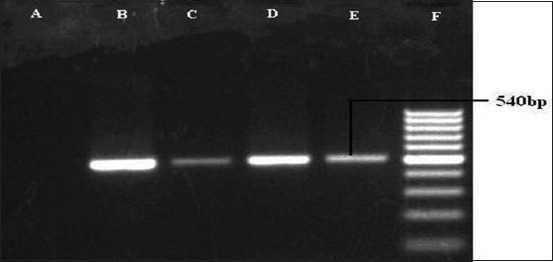
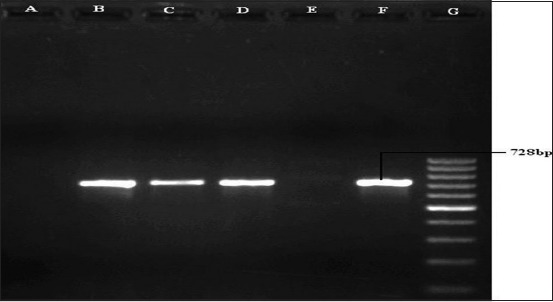
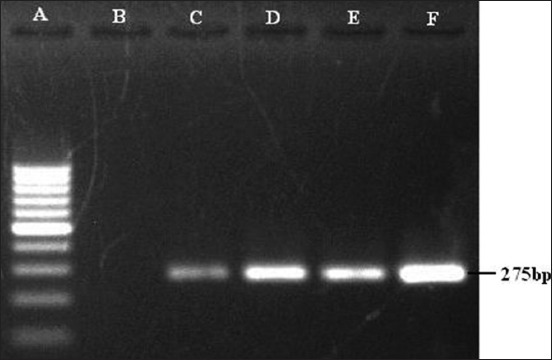
A total of 21 porcine isolates were subjected to capsular typing and detection of virulence-associated genes (, and ) using various polymerase chain reaction (PCR) methods reported elsewhere. Further, pathogenicity of the porcine isolates of was studied in mice. For each strain of selected for pathogenicity trial, the group of mice was injected intraperitoneally (i/p) with 0.1 ml of the inoculum prepared from respective field isolates, containing 10 organisms per ml.
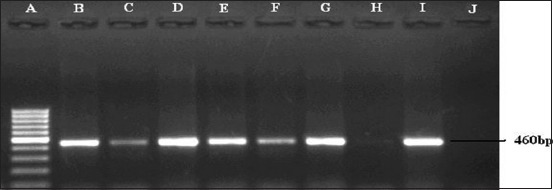
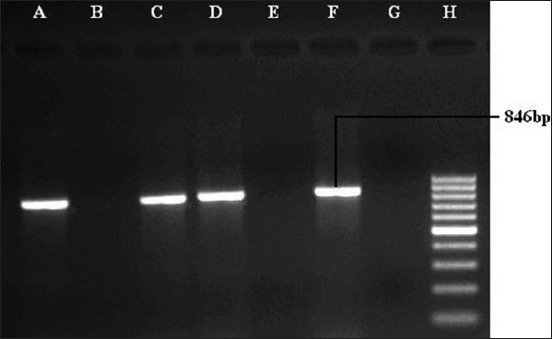
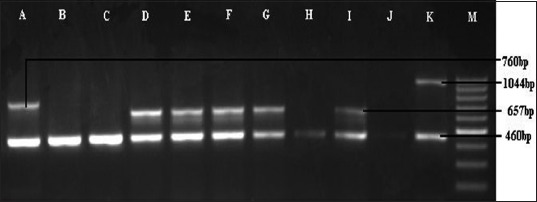
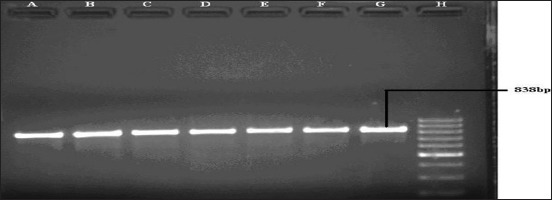
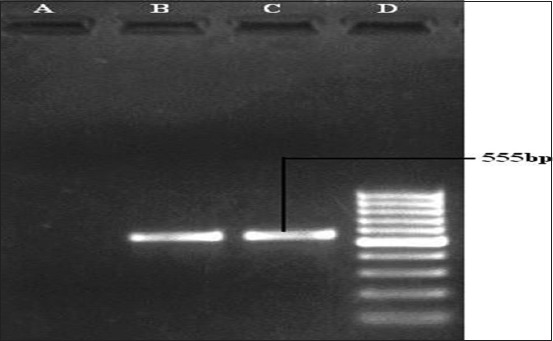
Capsular typing of the isolates by multiplex PCR showed two capsular types, type A (66.66%) and type D (33.33%). All the isolates were positive for outer membrane protein genes, and genes. Iron acquisition genes, and , were detected in 14.28% and 19.04% of the isolates. The dermonecrotoxin encoding gene, , was present in 23.80% of the isolates. Filamentous hemagglutinin encoding gene, , was detected in 28.57%. The virulence gene distribution pattern of the isolates indicates the important role of the genes in disease pathogenesis.
From the present study, it can be concluded that gene is an important marker gene for defining the pathogenic potential of strains in swine.
开展本研究以检测和鉴定来自阿萨姆邦的猪源分离株中的毒力基因。
共21株猪源分离株接受了荚膜分型,并使用其他地方报道的各种聚合酶链反应(PCR)方法检测毒力相关基因(、和)。此外,还在小鼠中研究了猪分离株的致病性。对于每株选择用于致病性试验的菌株,给小鼠组腹腔内(i/p)注射0.1 ml由相应现场分离株制备的接种物,每毫升含有10个生物体。
通过多重PCR对分离株进行荚膜分型显示出两种荚膜类型,A型(66.66%)和D型(33.33%)。所有分离株的外膜蛋白基因、和基因均为阳性。在14.28%和19.04%的分离株中检测到铁摄取基因和。23.80%的分离株中存在编码皮肤坏死毒素的基因。在28.57%的分离株中检测到编码丝状血凝素的基因。分离株的毒力基因分布模式表明这些基因在疾病发病机制中起重要作用。
从本研究可以得出结论,基因是定义猪中菌株致病潜力的重要标记基因。