Estrada-Urbina Juan, Cruz-Alonso Alejandro, Santander-González Martha, Méndez-Albores Abraham, Vázquez-Durán Alma
Faculty of Agricultural and Environmental Sciences, Autonomous University of Guerrero (UAGRO), Iguala de la Independencia, Guerrero 40010, Mexico.
National Autonomous University of Mexico-Superior Studies Faculty at Cuautitlan (UNAM-FESC), Campus 4, Multidisciplinary Research Unit L14-Annex 1 (Materials Science and Technology), Cuautitlan Izcalli, State of Mexico 54714, Mexico.
Nanomaterials (Basel). 2018 Apr 17;8(4):247. doi: 10.3390/nano8040247.
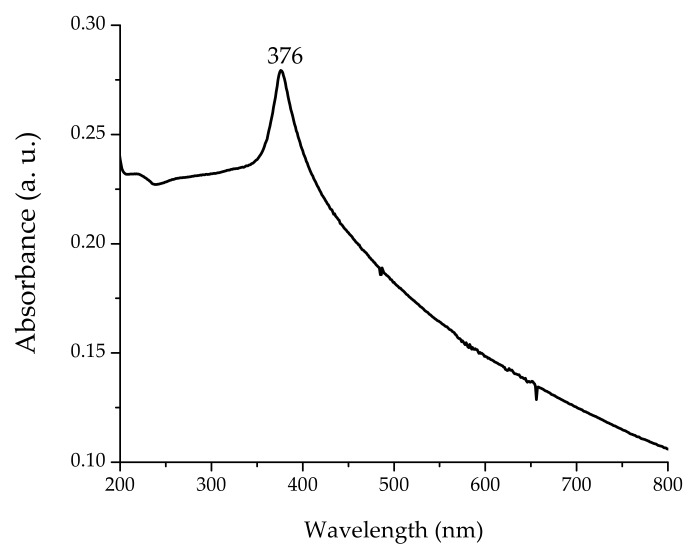
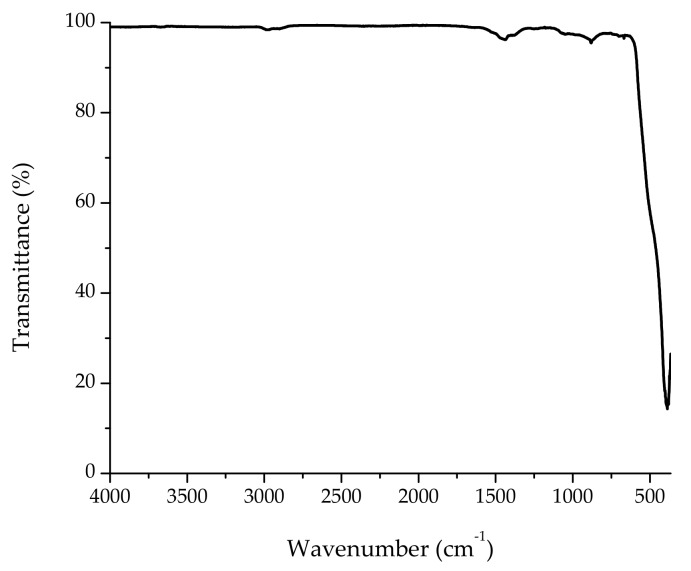
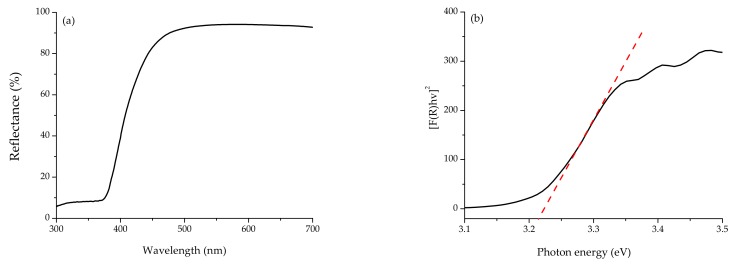
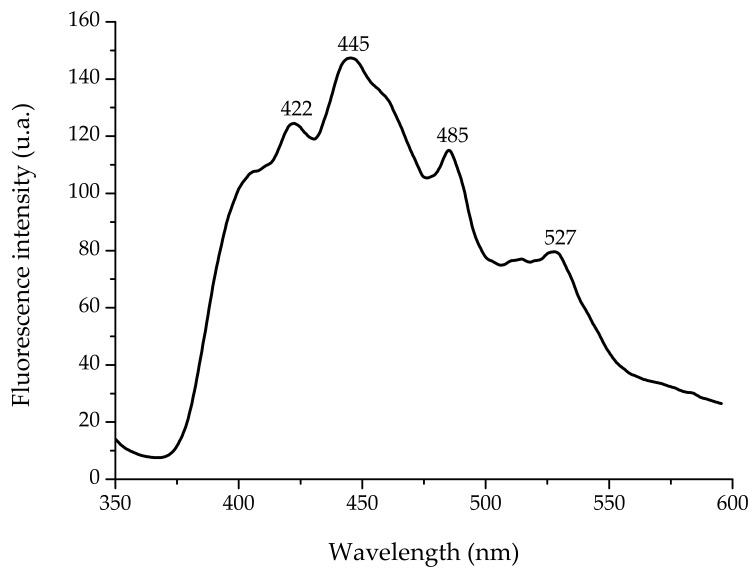
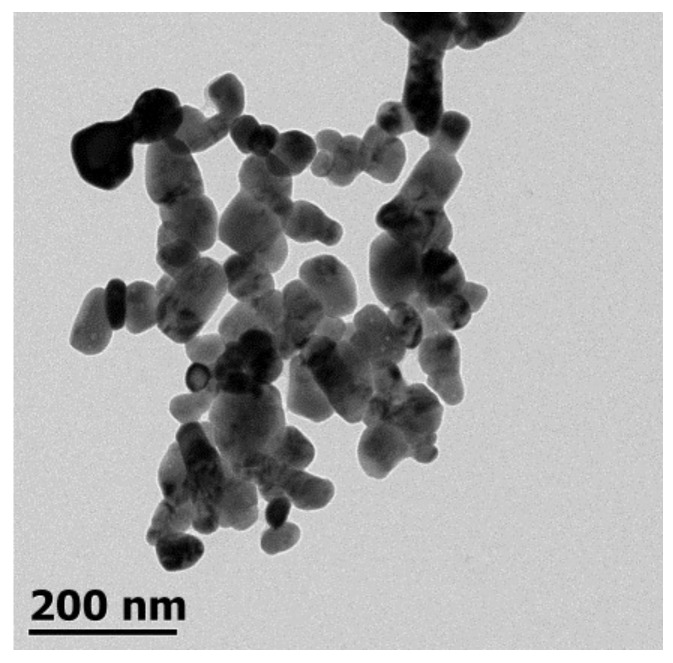
In this research, quasi-spherical-shaped zinc oxide nanoparticles (ZnO NPs) were synthesized by a simple cost-competitive aqueous precipitation method. The engineered NPs were characterized using several validation methodologies: UV–Vis spectroscopy, diffuse reflection UV–Vis, spectrofluorometry, transmission electron microscopy (TEM), nanoparticle tracking analysis (NTA), and Fourier transform infrared (FTIR) spectroscopy with attenuated total reflection (ATR). A procedure was established to coat a landrace of red maize using gelatinized maize starch. Each maize seed was treated with 0.16 mg ZnO NPs (~7.7 × 10⁸ particles). The standard germination (SG) and accelerated aging (AA) tests indicated that ZnO NP-treated maize seeds presented better physiological quality (higher percentage of normal seedlings) and sanitary quality (lower percentage of seeds contaminated by microorganisms) as compared to controls. The application of ZnO NPs also improved seedling vigor, correlated to shoot length, shoot diameter, root length, and number of secondary roots. Furthermore, shoots and roots of the ZnO NP-treated maize seeds showed a marked increment in the main active FTIR band areas, most notably for the vibrations associated with peptide-protein, lipid, lignin, polysaccharide, hemicellulose, cellulose, and carbohydrate. From these results, it is concluded that ZnO NPs have potential for applications in peasant agriculture to improve the quality of small-scale farmers’ seeds and, as a result, preserve germplasm resources.
在本研究中,通过一种简单且成本低廉的水相沉淀法合成了准球形氧化锌纳米颗粒(ZnO NPs)。使用多种验证方法对工程化纳米颗粒进行了表征:紫外可见光谱法、漫反射紫外可见光谱法、荧光光谱法、透射电子显微镜(TEM)、纳米颗粒跟踪分析(NTA)以及带有衰减全反射(ATR)的傅里叶变换红外(FTIR)光谱法。建立了一种用糊化玉米淀粉包覆地方品种红玉米的方法。每粒玉米种子用0.16毫克ZnO NPs(约7.7×10⁸个颗粒)处理。标准发芽(SG)和加速老化(AA)试验表明,与对照相比,经ZnO NPs处理的玉米种子具有更好的生理质量(正常幼苗百分比更高)和卫生质量(被微生物污染的种子百分比更低)。ZnO NPs的应用还提高了幼苗活力,这与苗长、苗径、根长和次生根数量相关。此外,经ZnO NPs处理的玉米种子的地上部分和根部在主要活性FTIR谱带区域有显著增加,最明显的是与肽 - 蛋白质、脂质、木质素、多糖、半纤维素、纤维素和碳水化合物相关的振动。从这些结果可以得出结论,ZnO NPs在农民农业中具有应用潜力,可提高小规模农民种子的质量,从而保护种质资源。