San Gabriel Valley Mosquito and Vector Control District, West Covina, California, United States of America.
Viral and Rickettsial Diseases Department, Naval Medical Research Center, Silver Spring, Maryland, United States of America.
PLoS Negl Trop Dis. 2018 Apr 20;12(4):e0006385. doi: 10.1371/journal.pntd.0006385. eCollection 2018 Apr.
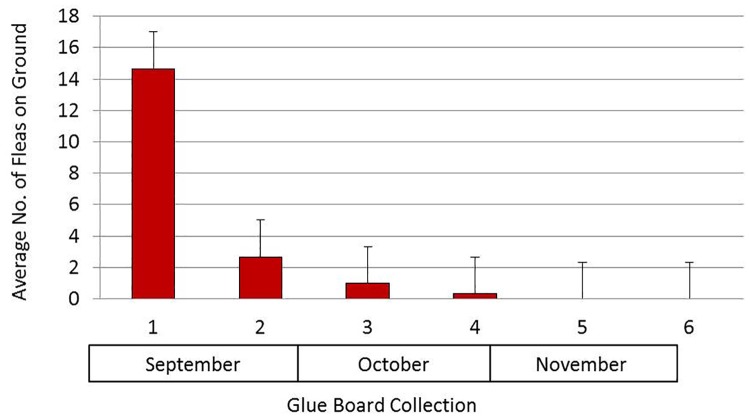
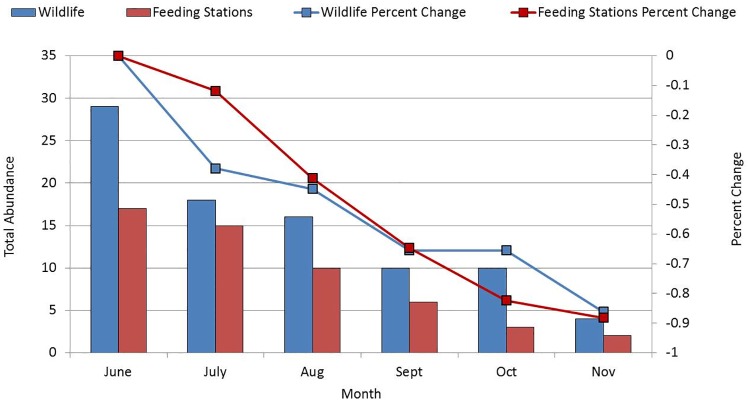
Although flea-borne rickettsiosis is endemic in Los Angeles County, outbreaks are rare. In the spring of 2015 three human cases of flea-borne rickettsiosis among residents of a mobile home community (MHC) prompted an investigation. Fleas were ubiquitous in common areas due to presence of flea-infested opossums and overabundant outdoor cats and dogs. The MHC was summarily abated in June 2015, and within five months, flea control and removal of animals significantly reduced the flea population. Two additional epidemiologically-linked human cases of flea-borne rickettsiosis detected at the MHC were suspected to have occurred before control efforts began. Molecular testing of 106 individual and 85 pooled cat fleas, blood and ear tissue samples from three opossums and thirteen feral cats using PCR amplification and DNA sequencing detected rickettsial DNA in 18.8% of the fleas. Seventeen percent of these cat fleas tested positive for R. felis-specific DNA compared to under two (<2) percent for Candidatus R. senegalensis-specific DNA. In addition, serological testing of 13 cats using a group-specific IgG-ELISA detected antibodies against typhus group rickettsiae and spotted fever group rickettsiae in six (46.2%) and one (7.7%) cat, respectively. These results indicate that cats and their fleas may have played an active role in the epidemiology of the typhus group and/or spotted fever group rickettsial disease(s) in this outbreak.
尽管跳蚤传播的斑疹伤寒在洛杉矶县流行,但疫情很少爆发。2015 年春天,在一个移动家庭社区(MHC)的居民中发现了三例跳蚤传播的斑疹伤寒病例,促使进行了调查。由于有跳蚤滋生的负鼠、过多的户外猫和狗,跳蚤在公共区域无处不在。2015 年 6 月,MHC 被迅速清除,在五个月内,跳蚤控制和清除动物显著降低了跳蚤数量。在 MHC 检测到的另外两例与流行病学相关的跳蚤传播的斑疹伤寒病例,疑似在控制工作开始前发生。使用 PCR 扩增和 DNA 测序对来自三只负鼠和十三只野猫的 106 只个体和 85 只混合猫跳蚤、血液和耳组织样本进行分子检测,发现 18.8%的跳蚤携带立克次体 DNA。与不到 2%的候选 Senegalenis 立克次体特异性 DNA 相比,这些猫跳蚤中有 17%检测出对 Felis 特异性 DNA 呈阳性。此外,使用群特异性 IgG-ELISA 对 13 只猫进行血清学检测,在六只(46.2%)和一只(7.7%)猫中分别检测到针对斑疹伤寒组和斑点热组立克次体的抗体。这些结果表明,猫及其跳蚤可能在此次疫情的斑疹伤寒组和/或斑点热组立克次体疾病的流行病学中发挥了积极作用。