Pediatric Surgery, The First Affiliated Hospital, Sun Yat-sen University, Guangzhou, 510080, People's Republic of China.
Organ Transplant Center, The First Affiliated Hospital, Sun Yat-sen University, Guangzhou, 510080, People's Republic of China.
BMC Cancer. 2018 Apr 24;18(1):460. doi: 10.1186/s12885-018-4379-5.
Embryonic Liver Fodrin (ELF) is an adaptor protein of transforming growth factor (TGF-β) signaling cascade. Disruption of ELF results in mislocalization of Smad3 and Smad4, leading to compromised TGF-β signaling. c-Myc is an important oncogenic transcription factor, and the disruption of TGF-β signaling promotes c-Myc-induced hepatocellular carcinoma (HCC) carcinogenesis. However, the prognostic significance of c-Myc in HCC is less understood METHODS: The expression of c-Myc protein and mRNA were measured by immunohistochemistry (IHC) and qRT- PCR, respectively. IHC was performed to detect TGF-β1 and ELF expression in HCC tissues. Their relationship with clinicopathological factors and overall survival (OS) and disease free survival (DFS) were examined.
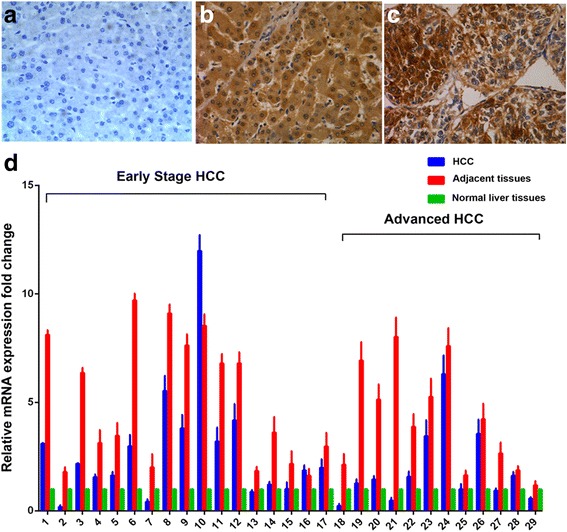
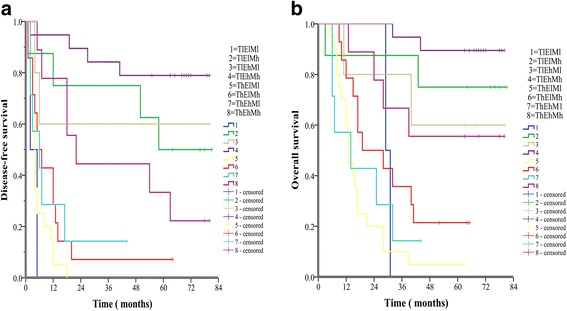
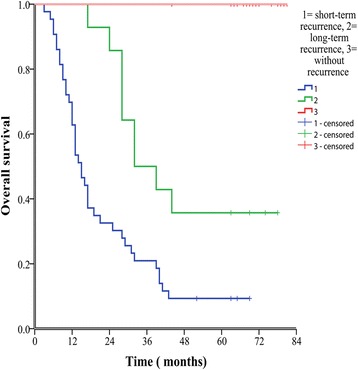
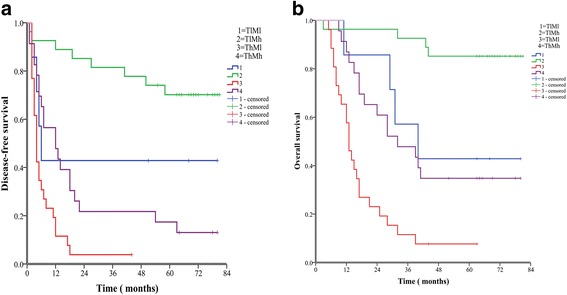
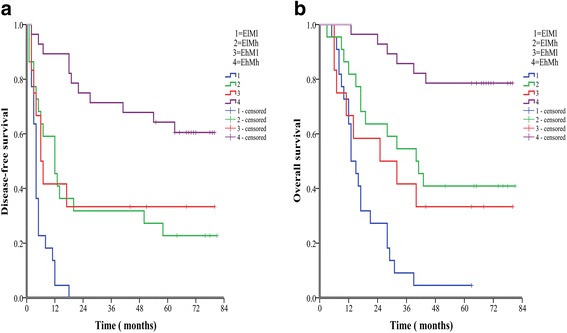
The expression of c-Myc protein and mRNA in HCC tissues were significantly higher in HCC area than those in normal liver tissues. However, the expression were low compared with those adjacent to HCC area. c-Myc protein was independently predictive of DFS and OS, and it was negatively correlated with tumor size (P = 0.031), tumor number (P = 0.038), and recurrence (P = 0.001). Low c-Myc expression was associated with short-term recurrence and poor prognosis. The predictive value of c-Myc combined with TGF-β1 or/and ELF was higher than that of any other single marker. Low c-Myc, high TGF-β1 or/and low ELF expression was associated with the worst DFS and OS.
Low expression of c-Myc protein predicts poor outcomes in patients with HCC with hepatectomy. The combination of the expression of c-Myc, TGF-β1, and ELF can be used to accurately predict outcomes of patients with HCC.
胚胎肝 fodrin(ELF)是转化生长因子(TGF-β)信号级联的衔接蛋白。ELF 的破坏导致 Smad3 和 Smad4 的定位错误,从而导致 TGF-β 信号受损。c-Myc 是一种重要的致癌转录因子,而 TGF-β 信号的破坏促进了 c-Myc 诱导的肝细胞癌(HCC)的发生。然而,c-Myc 在 HCC 中的预后意义尚不清楚。
通过免疫组织化学(IHC)和 qRT-PCR 分别测量 c-Myc 蛋白和 mRNA 的表达。IHC 用于检测 HCC 组织中 TGF-β1 和 ELF 的表达。检查它们与临床病理因素以及总生存期(OS)和无病生存期(DFS)的关系。
HCC 组织中 c-Myc 蛋白和 mRNA 的表达在 HCC 区域明显高于正常肝组织,但与 HCC 区域相邻的组织相比表达较低。c-Myc 蛋白独立预测 DFS 和 OS,并且与肿瘤大小(P=0.031)、肿瘤数量(P=0.038)和复发(P=0.001)呈负相关。低 c-Myc 表达与短期复发和不良预后相关。c-Myc 与 TGF-β1 或/和 ELF 的联合预测价值高于任何其他单一标志物。低 c-Myc、高 TGF-β1 或/和低 ELF 表达与最差的 DFS 和 OS 相关。
c-Myc 蛋白表达水平低预示着接受肝切除术的 HCC 患者预后不良。c-Myc、TGF-β1 和 ELF 的表达联合可用于准确预测 HCC 患者的预后。