Department of Neurology, Ruhr University Bochum, St. Josef- Hospital, Gudrunstrasse 56, 44791, Bochum, Germany.
J Neuroinflammation. 2018 Apr 24;15(1):122. doi: 10.1186/s12974-018-1165-x.
Autoimmune neuropathies are common PNS disorders and effective treatment is challenging. Environmental influence and dietary components are known to affect the course of autoimmune diseases. Capsaicin as pungent component of chili-peppers is common in human nutrition. An influence of capsaicin on autoimmune diseases has been postulated.
We tested capsaicin in the animal model of experimental autoimmune neuritis (EAN) in Lewis rat. Rats were immunized with P2-peptide and were treated with capsaicin in different preventive settings. Electrophysiological, histological, and molecular biological analyses of the sciatic nerve were performed to analyze T-cell and macrophage cell count, TRPV1, and cytokine expression. Moreover, FACS analyses including the intestinal immune system were executed.
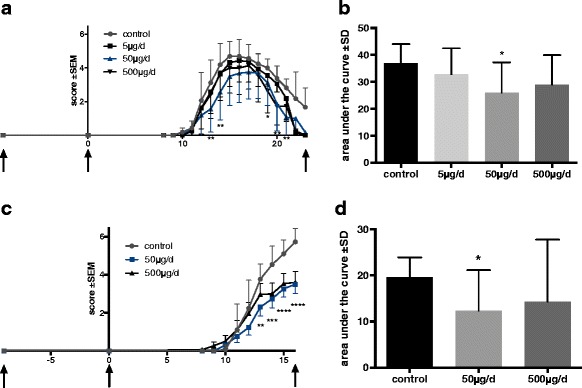
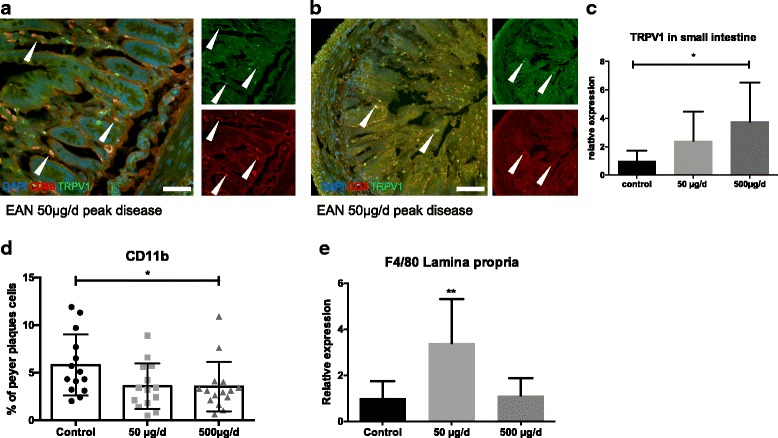
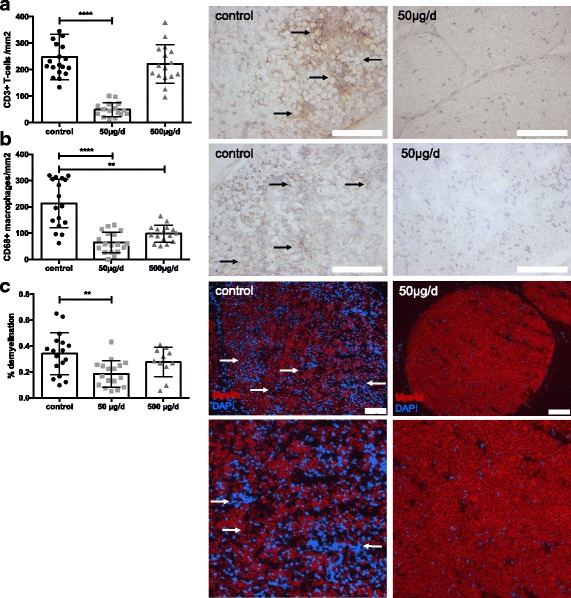
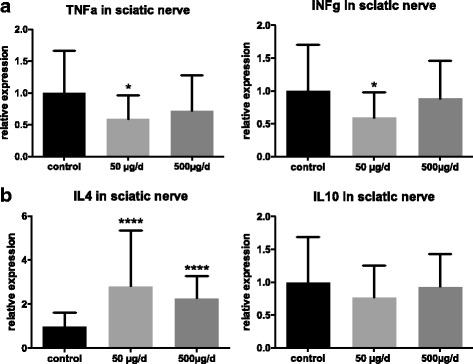
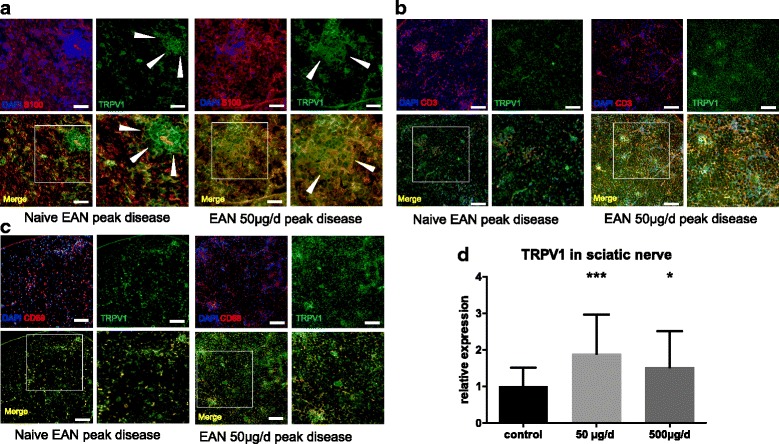
We observed an immunomodulatory effect of an early preventive diet-concept, where a physiological dosage of oral capsaicin was given 10 days before immunization in EAN. A reduced inflammation of the sciatic nerve was significant detectable clinically, electrophysiologically (CMAPs reduced in control group p < 0.01; increase of nerve conduction blocks in control group p < 0.05), histologically (significant reduction of T-cells, macrophages and demyelination), and at cytokine level. In contrast, this therapeutic effect was missing with capsaicin given from the day of immunization onwards. As possible underlying mechanism, we were able to show changes in the expression of the capsaicin receptor in the sciatic nerve and the small intestine, as well as altered immune cell populations in the small intestine.
This is the first report about the immunomodulatory effect of the common nutrient, capsaicin, in an experimental model for autoimmune neuropathies.
自身免疫性神经病是常见的周围神经系统疾病,治疗效果具有挑战性。环境影响和饮食成分已知会影响自身免疫性疾病的病程。辣椒素作为辣椒的刺激性成分,在人类营养中很常见。有人推测辣椒素对自身免疫性疾病有影响。
我们在 Lewis 大鼠的实验性自身免疫性神经炎(EAN)动物模型中测试了辣椒素。大鼠用 P2 肽免疫,并在不同的预防设置中用辣椒素治疗。对坐骨神经进行电生理学、组织学和分子生物学分析,以分析 T 细胞和巨噬细胞计数、TRPV1 和细胞因子表达。此外,还进行了包括肠道免疫系统的 FACS 分析。
我们观察到早期预防饮食概念的免疫调节作用,即在 EAN 免疫前 10 天给予生理剂量的口服辣椒素。临床上、电生理学上(对照组 CMAPs 降低 p<0.01;对照组神经传导阻滞增加 p<0.05)、组织学上(T 细胞、巨噬细胞和脱髓鞘显著减少)和细胞因子水平都明显检测到坐骨神经炎症减轻。相比之下,从免疫之日起给予辣椒素则没有这种治疗效果。作为可能的潜在机制,我们能够显示出辣椒素受体在坐骨神经和小肠中的表达以及小肠中免疫细胞群体的变化。
这是关于常见营养素辣椒素在自身免疫性神经病实验模型中具有免疫调节作用的首次报道。