Ito Hiromu, Moritoshi Furu, Hashimoto Motomu, Tanaka Masao, Matsuda Shuichi
1The Department of Orthopaedic Surgery, Kyoto University Graduate School of Medicine, 54 Kawahara-cho, Shogoin, Sakyo, Kyoto, 606-8507 Japan.
2The Department of Advanced Medicine for Rheumatic Diseases, Kyoto University Graduate School of Medicine, Kyoto, Japan.
Inflamm Regen. 2018 Apr 16;38:7. doi: 10.1186/s41232-018-0064-y. eCollection 2018.
Rheumatoid arthritis is an autoimmune inflammatory disease, the specific feature of which is progressive joint destruction induced by synovitis. The universal consensus is that alleviation of the synovitis is essential to prevent joint destruction and achieve clinical remission.
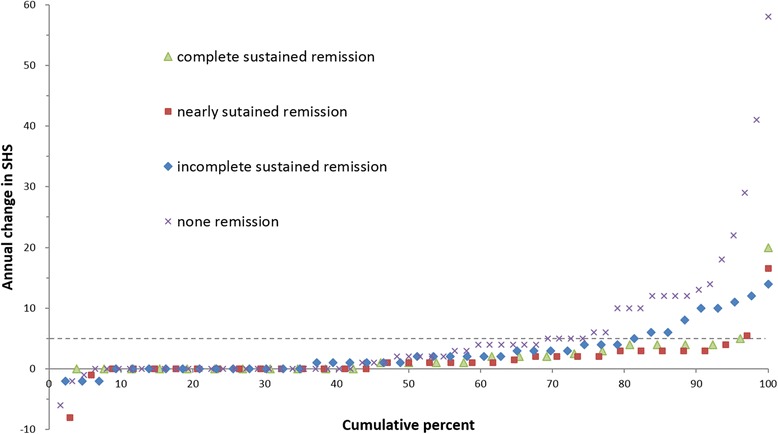
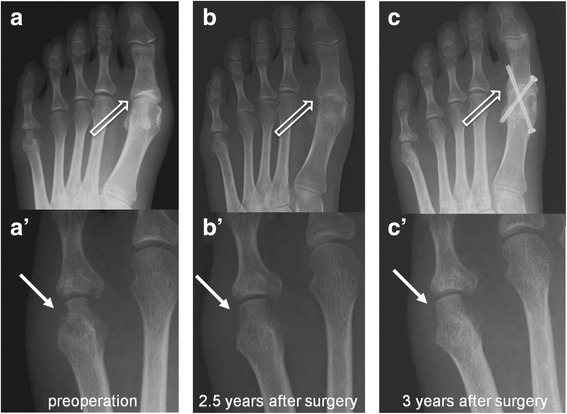
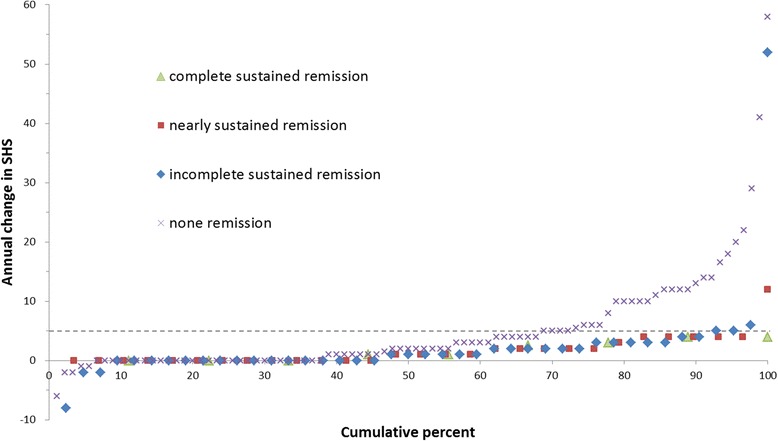
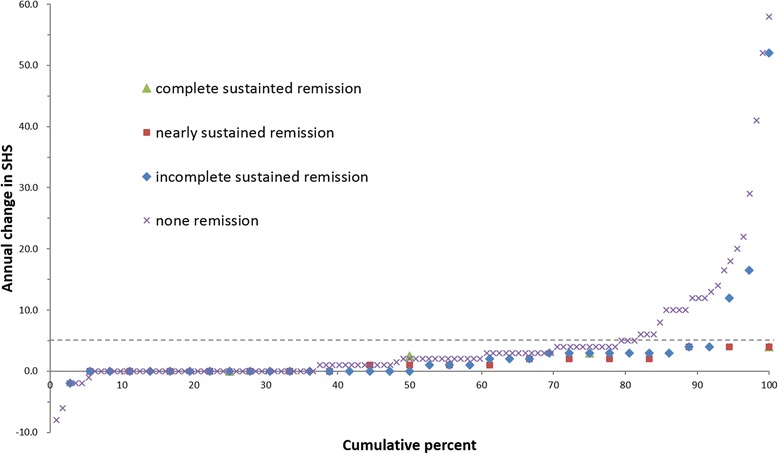
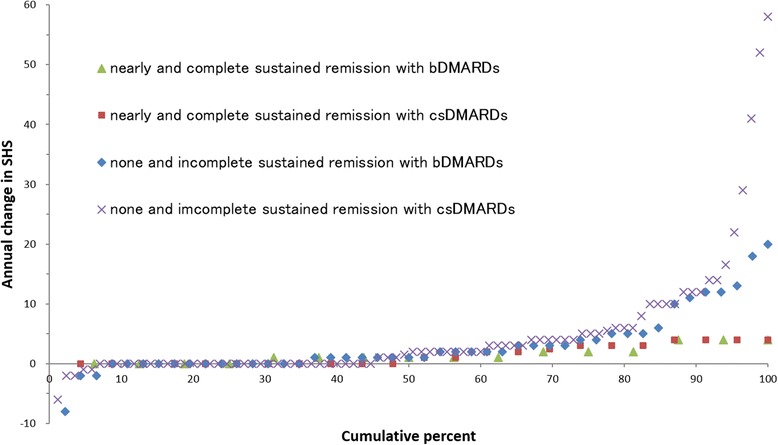
We have shown that not only achieving but also maintaining remission is crucial to prevent the progression of joint destruction. Although regeneration of the damaged joints is considered very rare, accumulating evidence shows that it actually occurs in routine clinical practice as a result of strong inhibition of synovitis using highly potent medications. Oral and intravenous medications affect the whole body, but to promote joint regeneration in a particular joint, two potent options are intra-articular steroid injection and synovectomy.
In situations where strong inhibition of synovitis combined with self-regeneration cannot repair severe joint destruction, regenerative medicine may in the future play a crucial role in the regeneration of damaged joints.
类风湿性关节炎是一种自身免疫性炎症性疾病,其具体特征是滑膜炎导致的进行性关节破坏。普遍的共识是,减轻滑膜炎对于预防关节破坏和实现临床缓解至关重要。
我们已经表明,不仅实现缓解而且维持缓解对于防止关节破坏的进展至关重要。尽管受损关节的再生被认为非常罕见,但越来越多的证据表明,在常规临床实践中,由于使用高效药物强烈抑制滑膜炎,关节再生实际上确实会发生。口服和静脉用药会影响全身,但为了促进特定关节的再生,两种有效的选择是关节内注射类固醇和滑膜切除术。
在滑膜炎受到强烈抑制但自我再生仍无法修复严重关节破坏的情况下,再生医学未来可能在受损关节的再生中发挥关键作用。