Institute of Botany, Hohenheim University, Stuttgart, Germany.
Department of Animal Biology, Plant Biology and Ecology, Universitat Autònoma de Barcelona, Barcelona, Spain.
PLoS One. 2018 Apr 25;13(4):e0195846. doi: 10.1371/journal.pone.0195846. eCollection 2018.
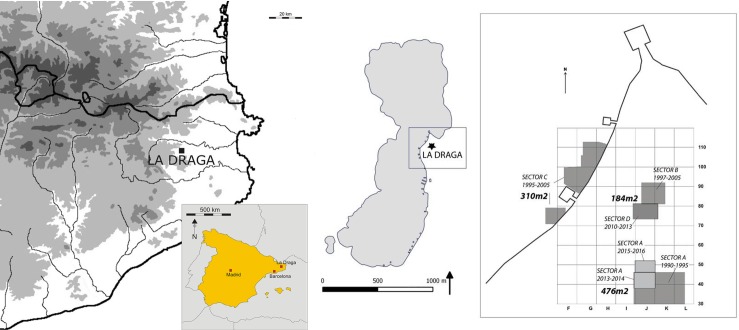
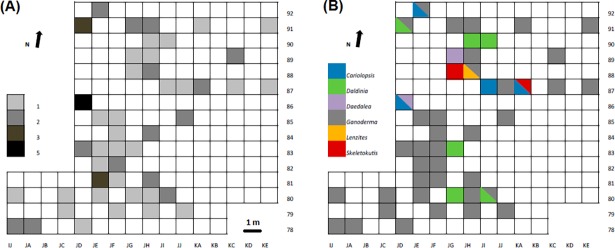
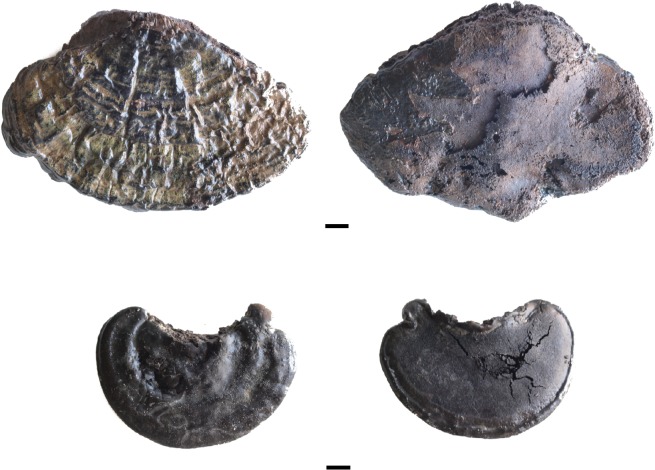
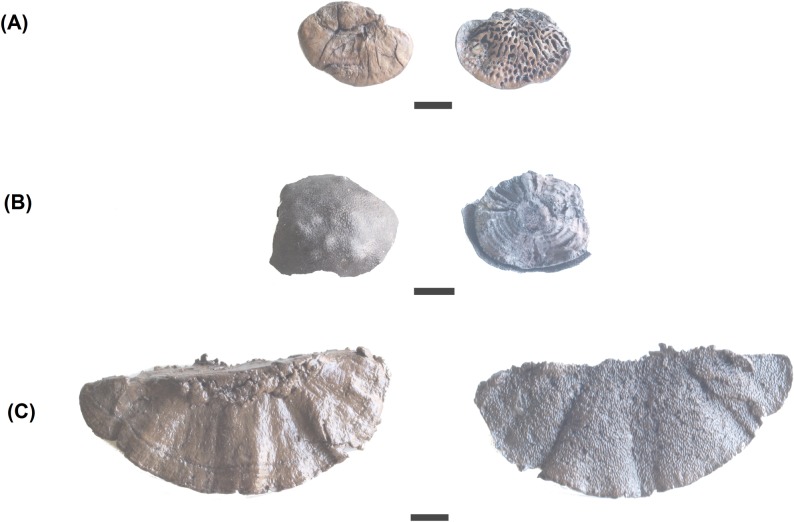
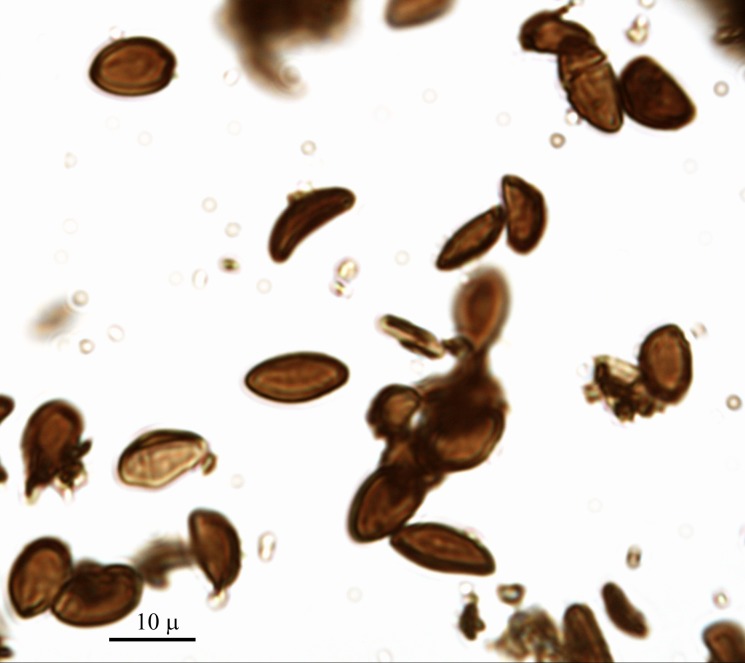
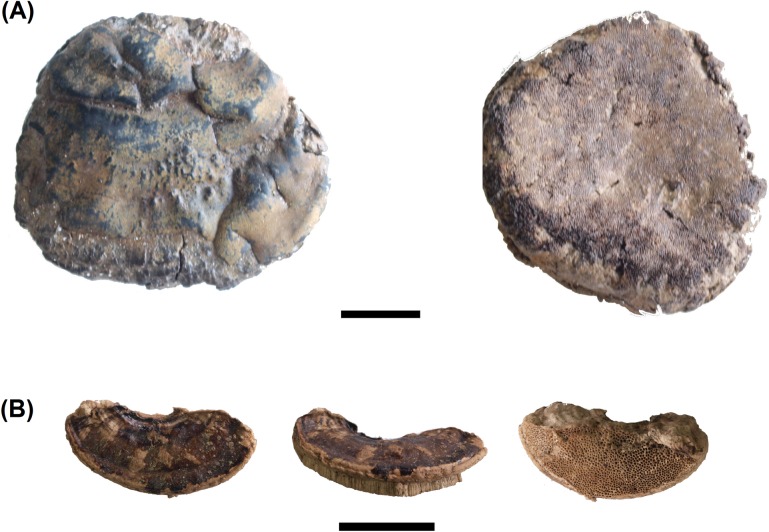
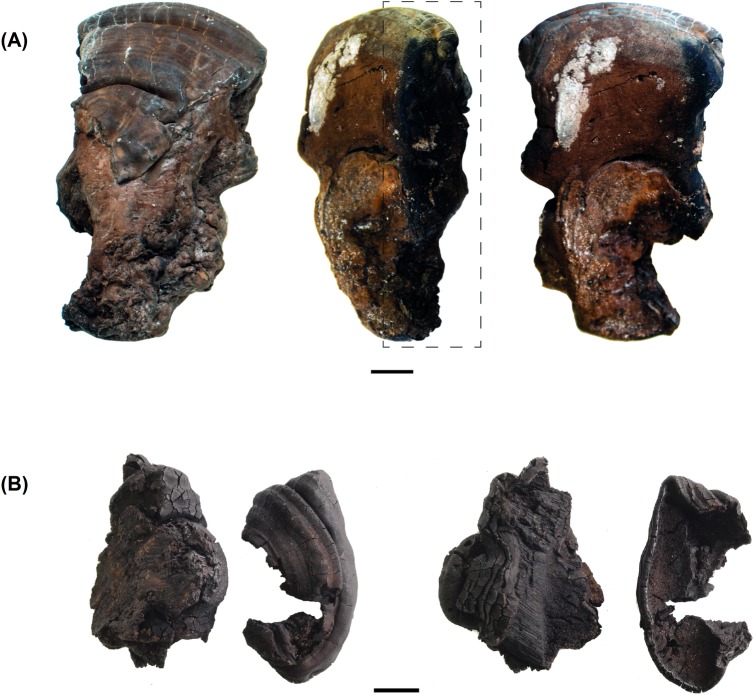
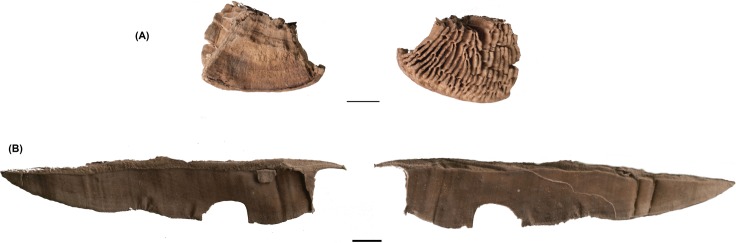
This paper presents the study of the fungi remains preserved in the waterlogged deposits of the Neolithic site of La Draga. These resources had the potential of being used as food and medicine, but also as tinder. Fire was without a doubt one of the most important resources for past people. It was used for lighting, heating, processing food and other materials, cooking and protection, and also possessed social and ritual significance. Hearths are one of the most common features at archaeological sites, but very often little attention is paid to the question of how these fires were lit, and they are seldom reflected in the archaeological record. In order to produce fire by percussion, an intermediate material is required between the sparks and the fuel. Fruiting bodies of fungi are a potential form of tinder, but are less inclined to be well-preserved than other materials. This paper presents the fungal fruiting bodies found at the Neolithic site of La Draga and discusses the meaning of their presence within the archaeological context of the site and European Prehistory.
本文介绍了对拉德拉加新石器时代遗址积水沉积物中保存的真菌遗骸的研究。这些资源有被用作食物和药物的潜力,也可用作引火物。火无疑是过去人们最重要的资源之一。它被用于照明、取暖、加工食物和其他材料、烹饪和保护,并且具有社会和仪式意义。火塘是考古遗址中最常见的特征之一,但人们往往很少关注如何点燃这些火,而且它们在考古记录中很少得到反映。为了通过撞击产生火,需要在火花和燃料之间有一种中间材料。真菌的子实体是一种潜在的引火物,但比其他材料更不容易保存完好。本文介绍了在拉德拉加新石器时代遗址中发现的真菌子实体,并讨论了它们在遗址的考古背景和欧洲史前史中的存在意义。