Department of Oral and Maxillofacial Surgery, Head and Neck Institute, University Hospital of Nice, Nice, France.
Biostatistic Department, Centre Antoine Lacassagne, Nice, France.
PLoS One. 2018 Apr 25;13(4):e0196136. doi: 10.1371/journal.pone.0196136. eCollection 2018.
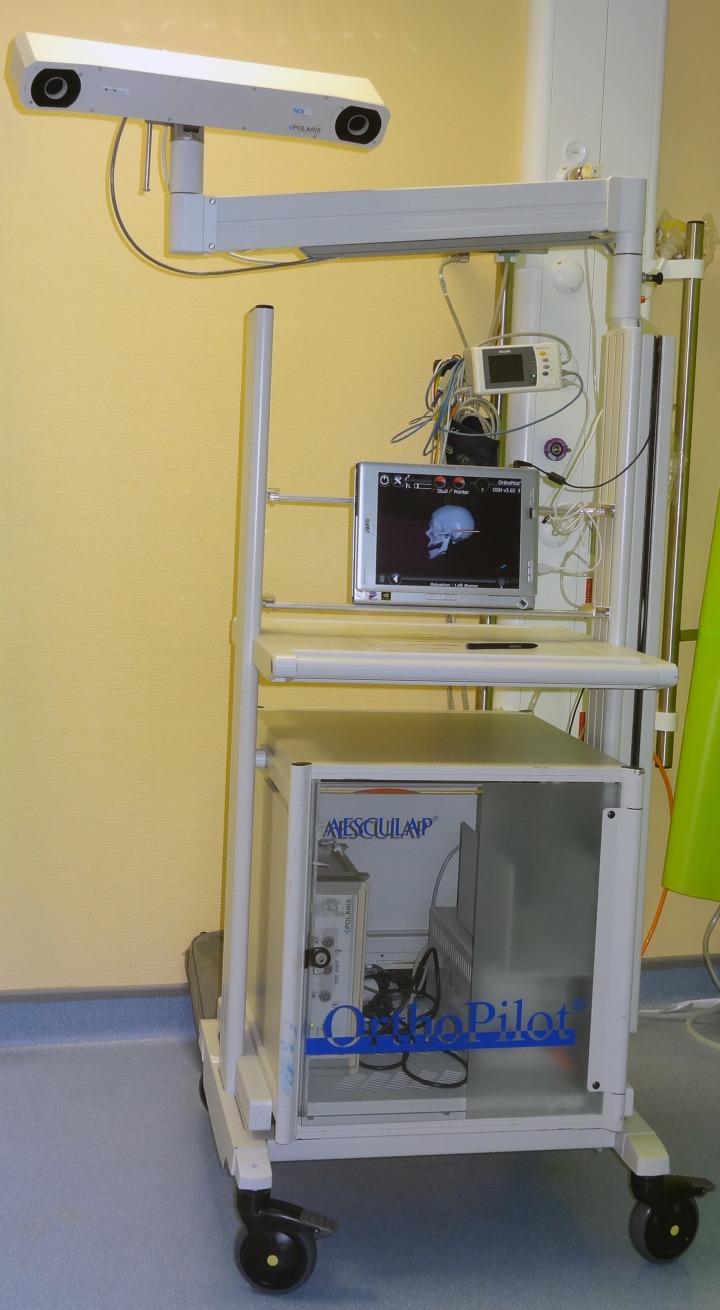
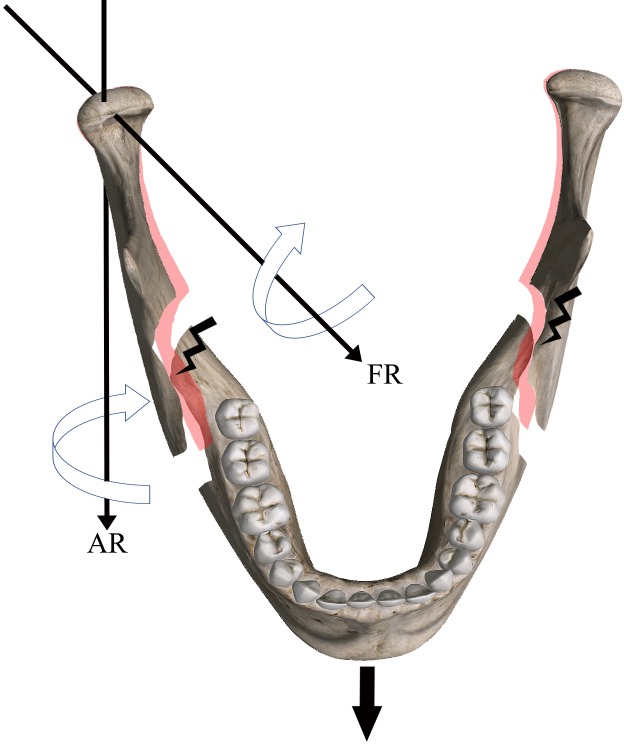
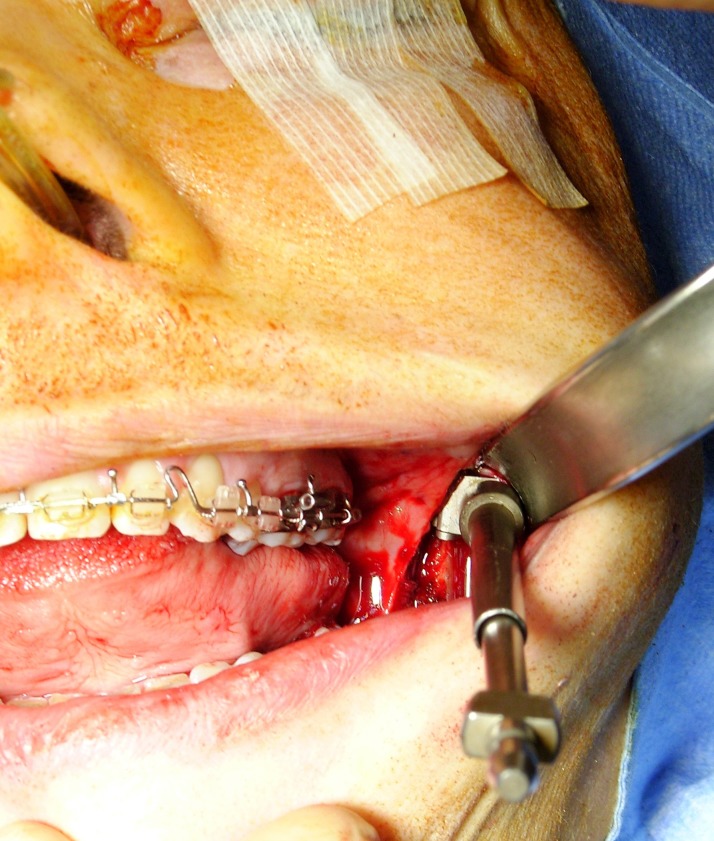
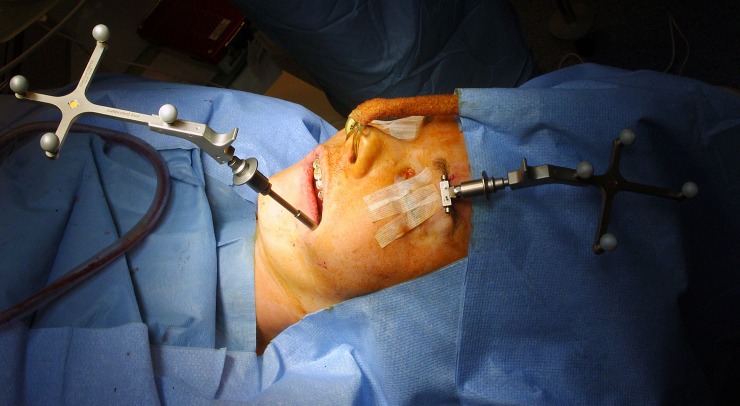
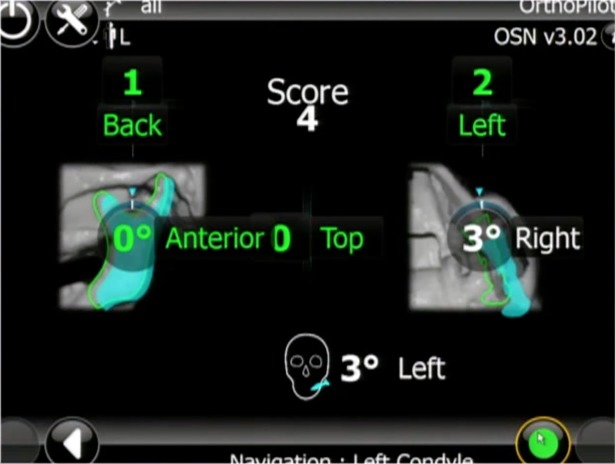
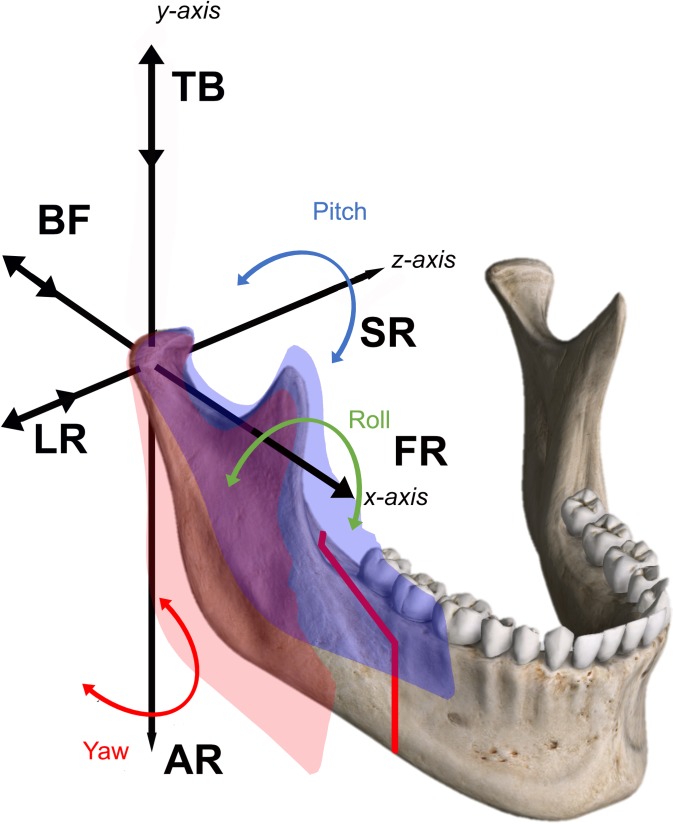
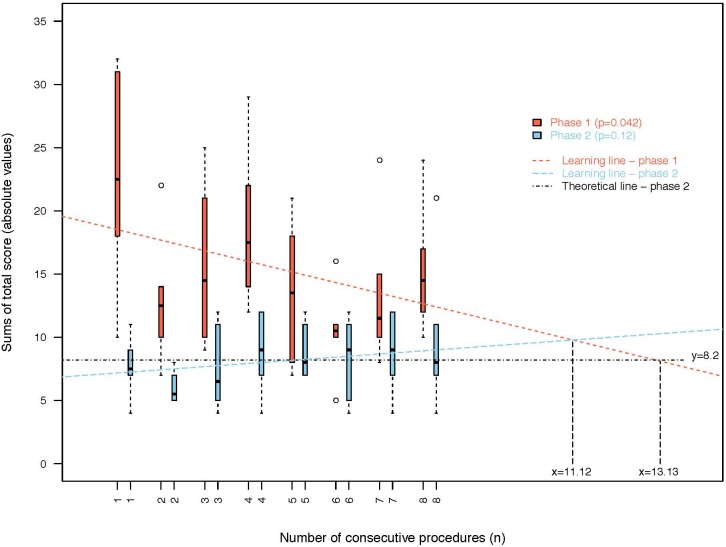
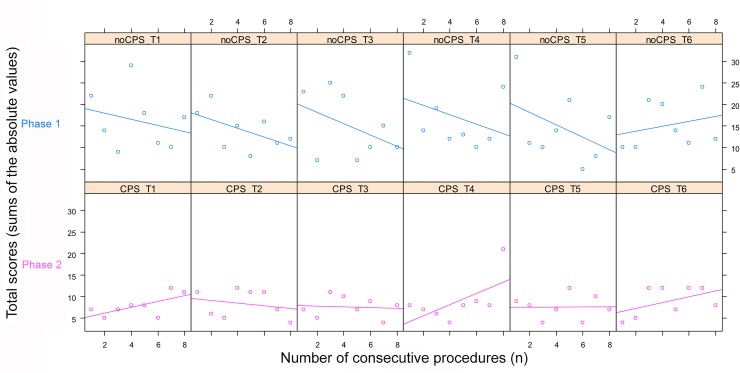
Bilateral sagittal split osteotomy (BSSO) is a widely-performed procedure in orthognathic surgery for the correction of dentofacial deformity. Condylar positioning is a critical step during BSSO to maximize functional and morphological results. The unsuitable positioning of condyles represents one of the causative mechanisms that may induce temporomandibular joint noxious effects after BSSO. Repositioning devices can assist surgeons in maintaining the preoperative condylar position; however, empirical repositioning methods based on experience gained are still commonly used. Trainee learning curves are difficult to assess. The aim of this study was to evaluate the relevance of computer-assisted surgery in the acquisition of condylar positioning skills. Forty-eight patients underwent BSSO performed by six maxillofacial trainees (four junior residents and two senior experienced residents). A condyle positioning system (CPS) was used by a senior surgeon to record a condylar position score during the procedure. Firstly, scores were recorded when the trainee manually positioned the condyle without access to the CPS score (phase 1) and then when the trainee positioned the condyle and performed osteosynthesis with visual access to the CPS score (phase 2). Six parameters describing condylar three-dimensional motions were assessed: translational motion from top to bottom (TB), back to front (BF), and left to right (LR), axial rotation (AR), sagittal rotation (SR), frontal rotation (FR), and a total score (TS). There were no significant differences between junior and senior residents in condyle positioning without access to the CPS. Condyles were significantly better positioned during phase 2 with access to the CPS (p<0.001). Over time, use of the CPS (phase 2) produced significantly quicker improvements in scores (p = 0.042). For those teaching surgeries to trainees, computer-assisted devices can potentially result in more rapid learning curves than traditional "observations-imitation" models. Use of a CPS by trainees facilitated condylar repositioning that resulted in an accurate occlusal result and avoidance of adverse effects on the temporomandibular joint.
双侧矢状劈开截骨术(Bilateral Sagittal Split Osteotomy,BSSO)是正颌外科中用于矫正牙颌面畸形的广泛应用的手术方法。髁突定位是 BSSO 中至关重要的一步,旨在实现最佳的功能和形态效果。髁突位置不当是 BSSO 后可能引起颞下颌关节不良影响的一个致病机制。复位设备可以帮助外科医生维持术前髁突位置;然而,仍广泛采用基于经验的经验性复位方法。学员学习曲线难以评估。本研究旨在评估计算机辅助手术在获得髁突定位技能中的相关性。48 例患者接受了由六名颌面外科住院医师(四名初级住院医师和两名高级经验丰富的住院医师)进行的 BSSO。一名资深外科医生使用髁突定位系统(CPS)在手术过程中记录髁突位置评分。首先,在学员无法访问 CPS 评分的情况下手动定位髁突时记录评分(第 1 阶段),然后在学员定位髁突并在可视访问 CPS 评分的情况下进行骨合成时记录评分(第 2 阶段)。评估了描述髁突三维运动的六个参数:从上到下的平移运动(TB)、从后到前的平移运动(BF)和从左到右的平移运动(LR)、轴向旋转(AR)、矢状旋转(SR)、额状旋转(FR)和总得分(TS)。在无法访问 CPS 的情况下,初级和高级住院医师的髁突定位没有显著差异。在可视访问 CPS 时(第 2 阶段),髁突定位明显更好(p<0.001)。随着时间的推移,使用 CPS(第 2 阶段)可显著提高评分(p = 0.042)。对于那些向学员教授手术的人来说,计算机辅助设备可能会导致比传统的“观察-模仿”模型更快的学习曲线。学员使用 CPS 有助于髁突重新定位,从而获得准确的咬合结果,并避免对颞下颌关节产生不良影响。