Veteran Affairs Nebraska-Western Iowa Health Care System , Omaha, Nebraska.
Department of Internal Medicine , Division of Rheumatology, University of Nebraska Medical Center, Omaha, Nebraska.
Alcohol Clin Exp Res. 2018 Jul;42(7):1206-1216. doi: 10.1111/acer.13765. Epub 2018 May 27.
Fracture healing in alcoholics is delayed and often associated with infections resulting in prolonged rehabilitation. It has been reported that binge drinking of alcohol increases oxidative stress and delays fracture healing in rats, which is prevented by treatment with the antioxidant n-acetyl cysteine (NAC). Oxidative stress is a significant factor in pathologies of various organs resulting from chronic alcoholism. Therefore, we hypothesize that treatment with NAC reduces oxidative stress and restores fracture healing in chronic alcoholics.
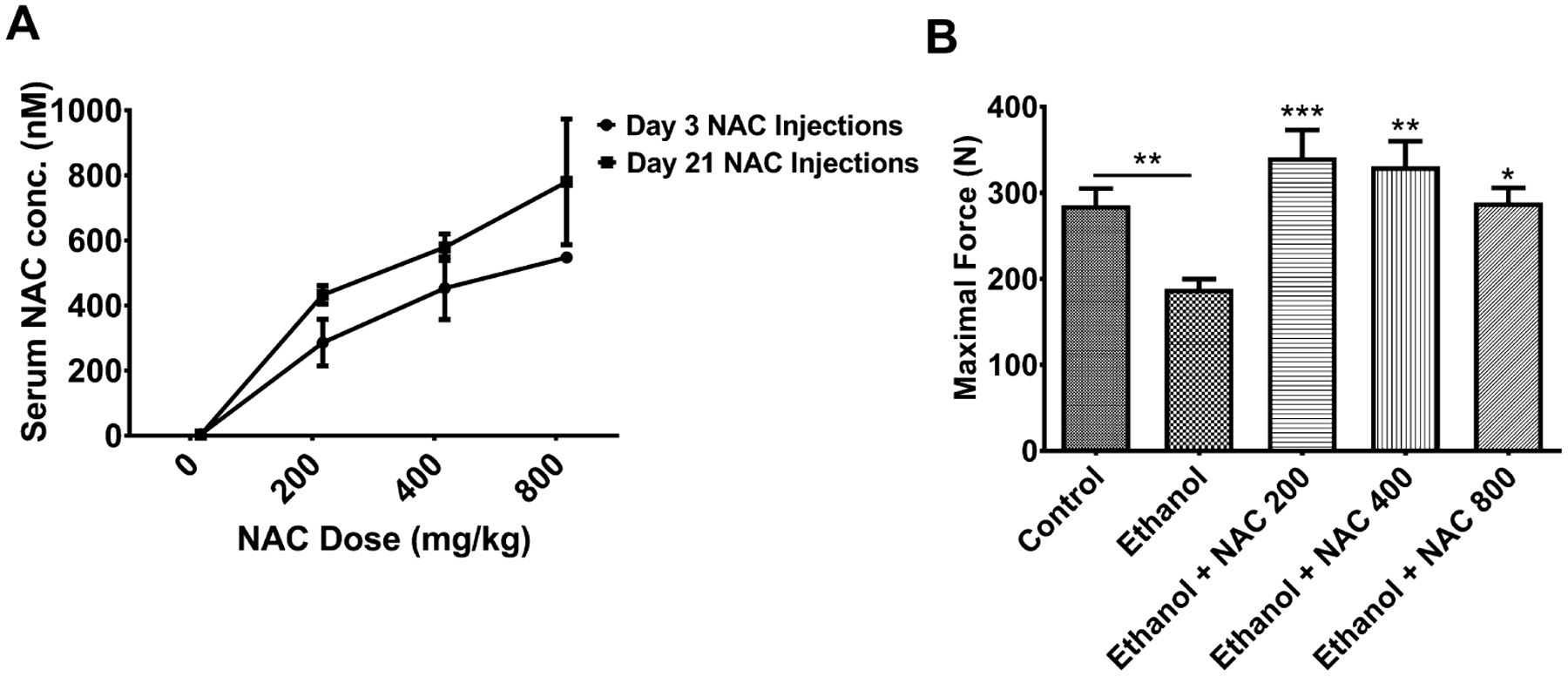
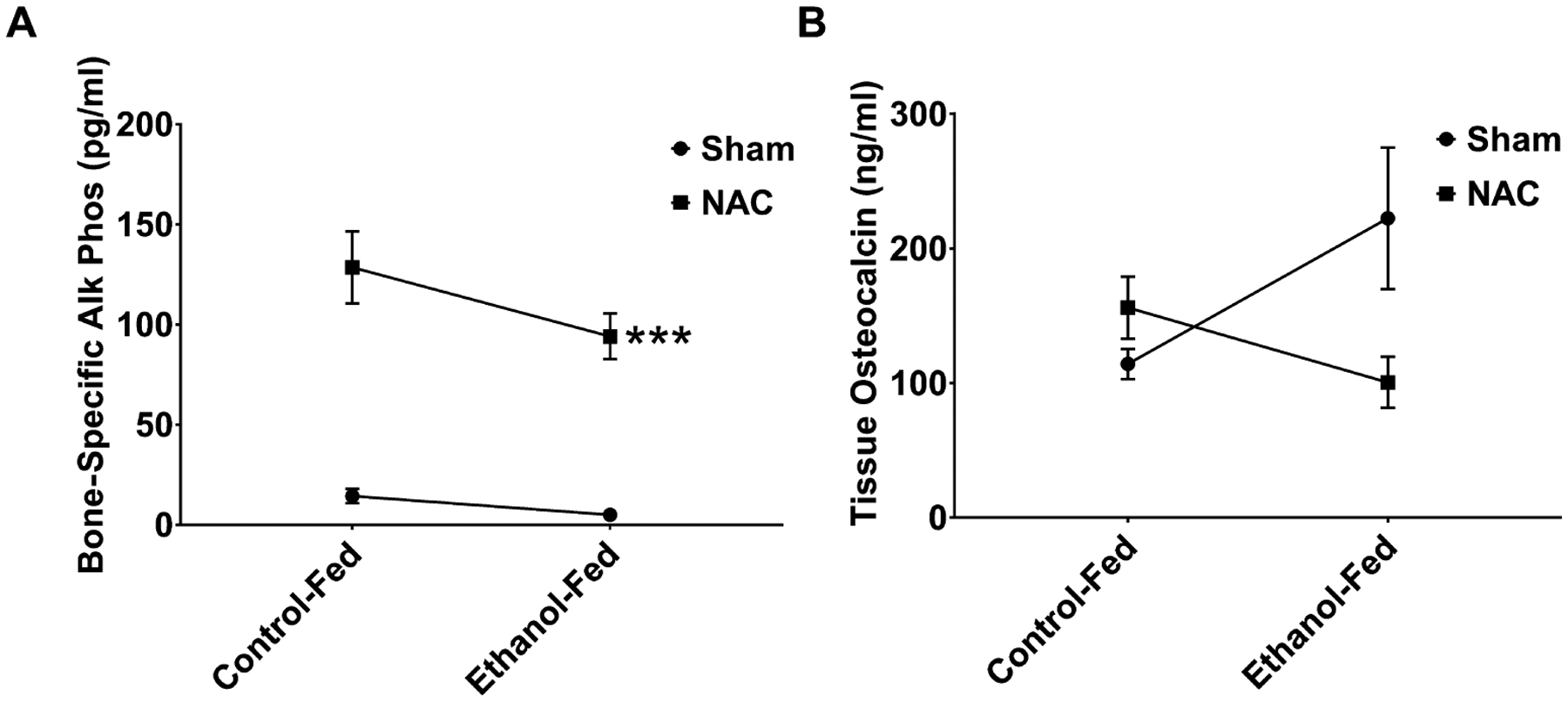
Rats (10 months old) were pair-fed the Lieber-DeCarli ethanol (EtOH) diet or control diet for 16 weeks. A closed fracture was performed and rats allowed to recover for 72 hours. Rats were divided into 4 groups-control, control + NAC, EtOH, and EtOH + NAC-and injected intraperitoneally with 200 mg/kg of NAC daily for 3 days. Serum and bone fracture callus homogenates were collected and assayed for traditional markers of inflammation, oxidative stress, and bone regeneration.
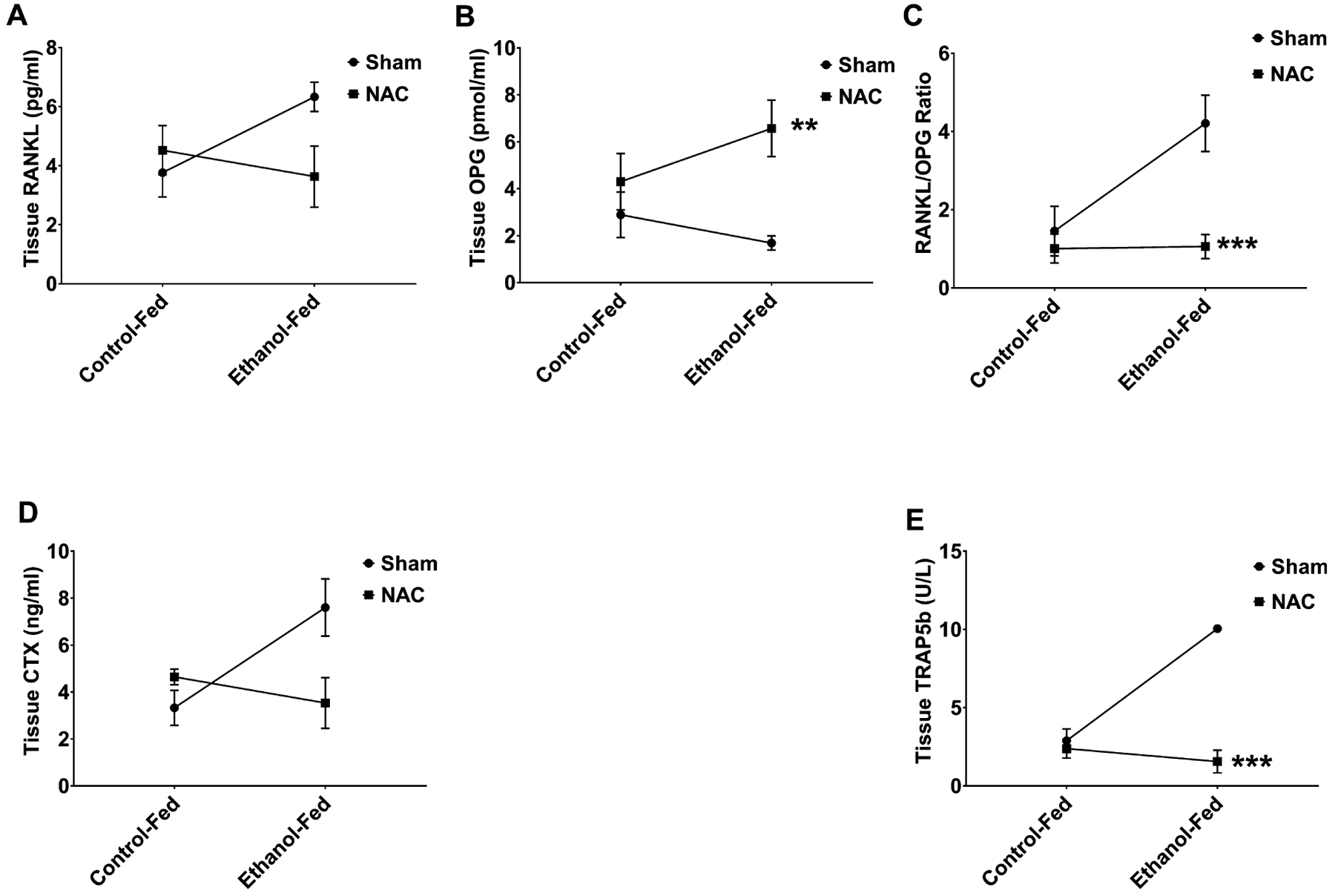
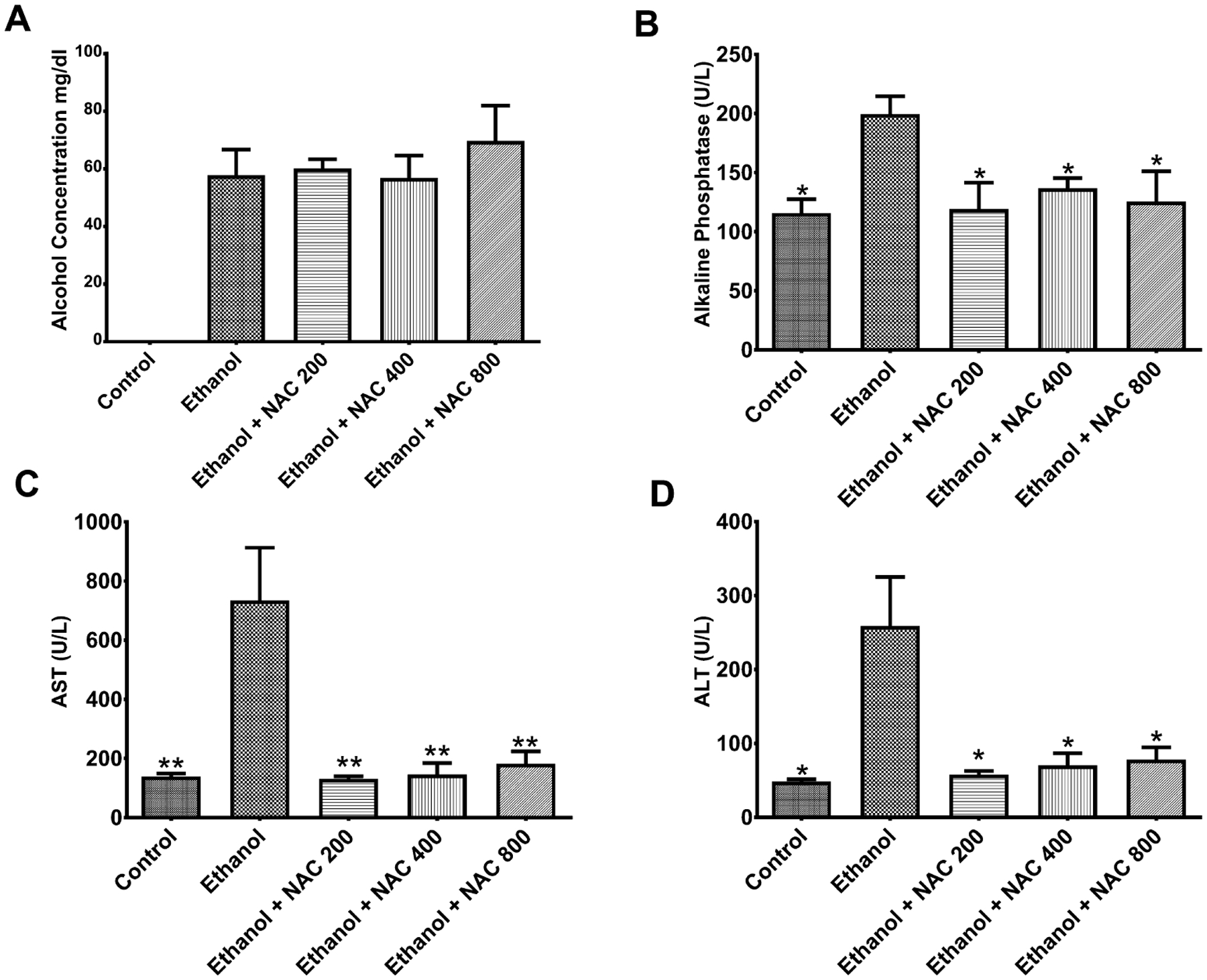
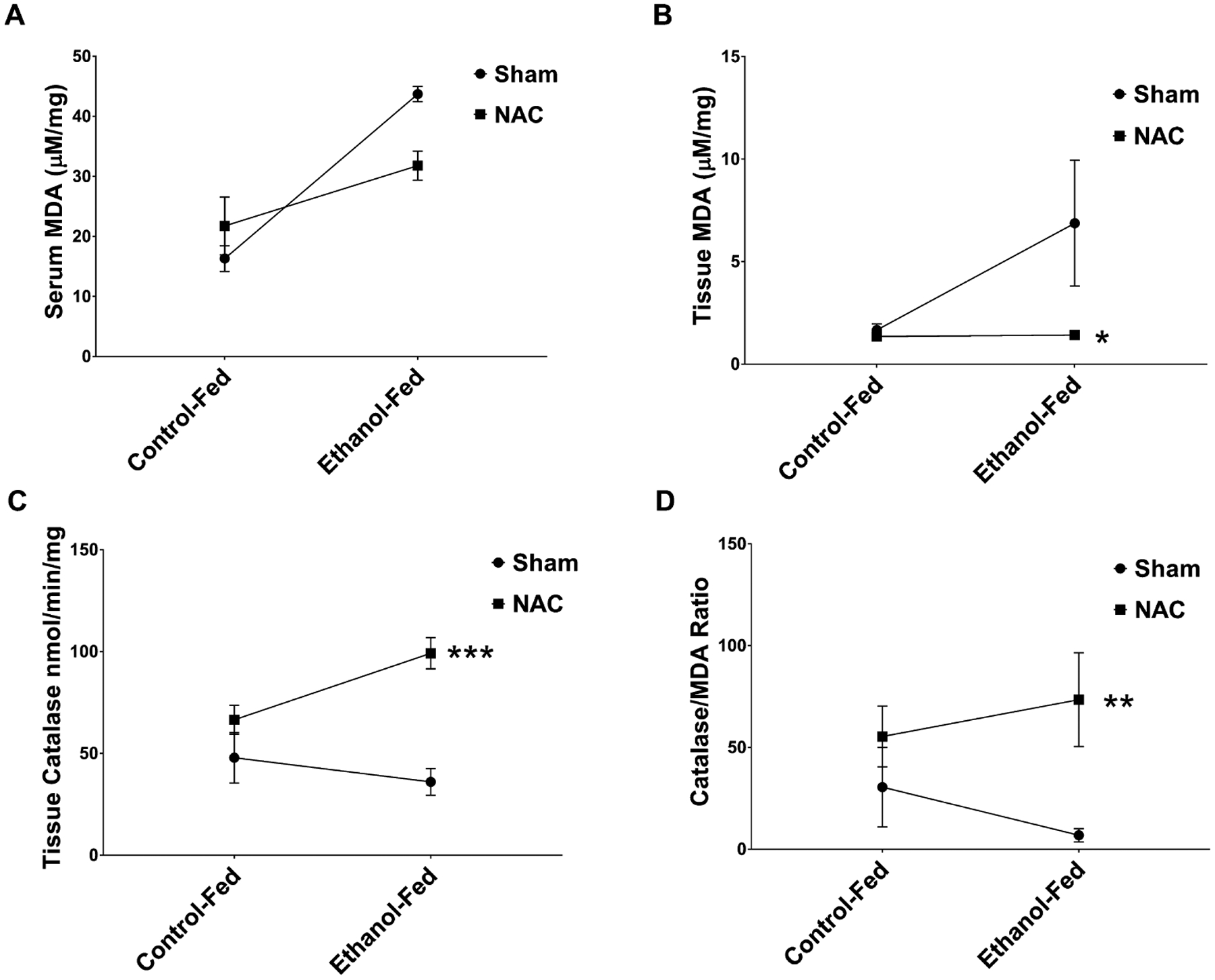
The oxidative stress marker malondialdehyde (MDA) was increased in both serum and bone tissue in EtOH-fed animals compared to controls. NAC treatment significantly (p < 0.01) reduced MDA to near normal levels and dramatically increased the index of antioxidant efficacy (catalase/MDA ratio) (p < 0.01). Inflammatory markers tumor necrosis factor-α, interferon-γ, and interleukin-6 were significantly decreased in serum and callus following NAC treatment. NAC treatment reduced EtOH-induced bone resorption as evidenced by significant decreases in C-telopeptide of type-I-collagen levels (p < 0.05) and band-5 tartrate-resistant acid phosphatase levels in the tissue (p < 0.001).
Oxidative stress and excessive inflammation are involved in the inhibition of fracture healing by EtOH. In this study, early short-term treatment of EtOH-fed animals with the antioxidant NAC reduced oxidative stress and normalized the innate immune response to fracture in the early phase of fracture healing, thereby restoring the normal onset of bone regeneration.
酗酒者的骨折愈合会延迟,并且常常与感染有关,导致康复时间延长。据报道,酗酒者的 binge drinking 会增加氧化应激,从而延迟大鼠的骨折愈合,而抗氧化剂 N-乙酰半胱氨酸 (NAC) 的治疗可以预防这种情况。氧化应激是慢性酗酒导致各种器官病变的一个重要因素。因此,我们假设 NAC 的治疗可以减轻氧化应激并恢复慢性酗酒者的骨折愈合。
将大鼠(10 个月大)用 Lieber-DeCarli 乙醇(EtOH)饮食或对照饮食进行配对喂养 16 周。进行闭合性骨折,让大鼠恢复 72 小时。将大鼠分为 4 组-对照组、对照组+NAC、EtOH 组和 EtOH+NAC 组-并每天腹膜内注射 200mg/kg 的 NAC,连续 3 天。收集血清和骨骨折痂匀浆,并检测传统的炎症、氧化应激和骨再生标志物。
与对照组相比,EtOH 喂养的动物的血清和骨组织中的氧化应激标志物丙二醛(MDA)增加。NAC 治疗显著(p<0.01)降低 MDA 至接近正常水平,并显著增加抗氧化效力指数(过氧化氢酶/MDA 比值)(p<0.01)。NAC 治疗后,血清和骨痂中的炎症标志物肿瘤坏死因子-α、干扰素-γ 和白细胞介素-6 明显下降。NAC 治疗降低了 EtOH 诱导的骨吸收,这表现在 I 型胶原 C 端肽水平(p<0.05)和组织中带 5 耐酒石酸酸性磷酸酶水平(p<0.001)的显著降低。
氧化应激和过度炎症参与了 EtOH 对骨折愈合的抑制。在这项研究中,早期对 EtOH 喂养的动物用抗氧化剂 NAC 进行短期治疗,降低了氧化应激并使骨折愈合早期的固有免疫反应正常化,从而恢复了正常的骨再生起始。