Department of Neurology, Center for Translational Neuroscience, School of Medicine, University of Missouri, M741A Medical Science Building, 1 Hospital Drive, Columbia, MO, 65211, USA.
Harry S. Truman Memorial Veteran's Hospital, US Department of Veterans Affairs, Columbia, MO, USA.
Mol Neurobiol. 2019 Jan;56(1):378-393. doi: 10.1007/s12035-018-1068-y. Epub 2018 Apr 27.
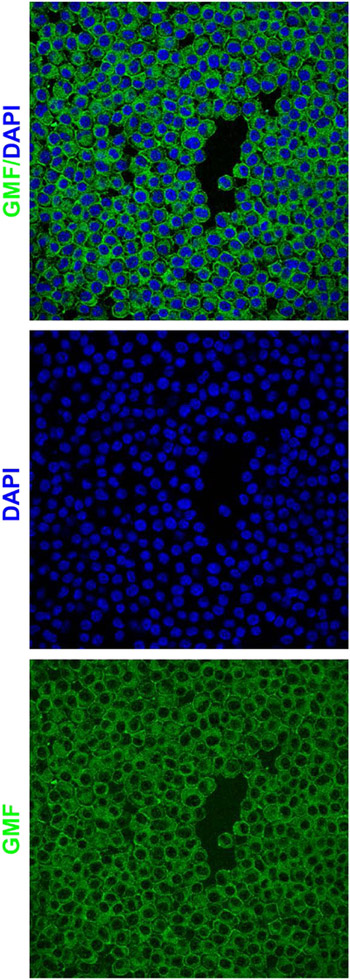
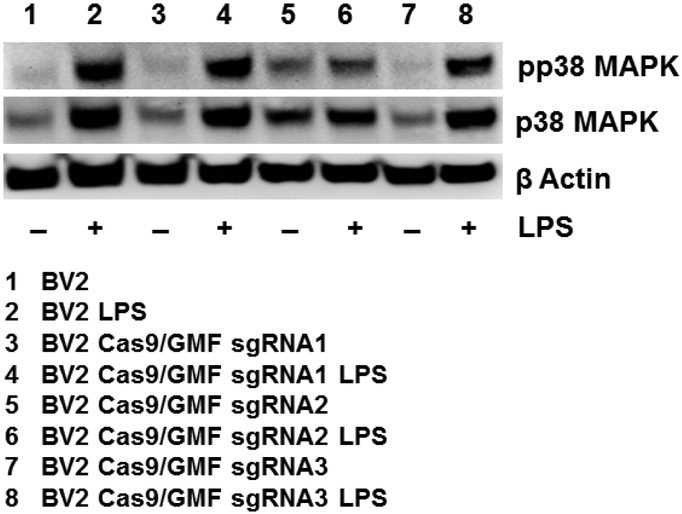
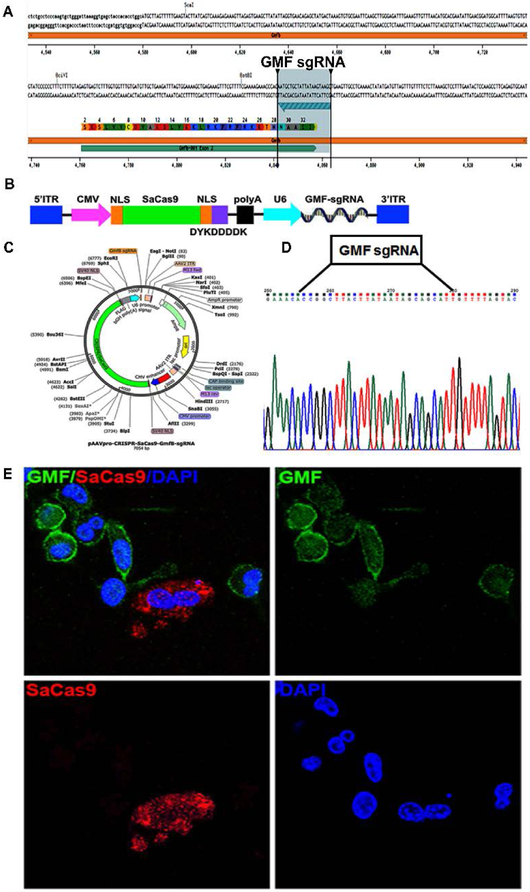
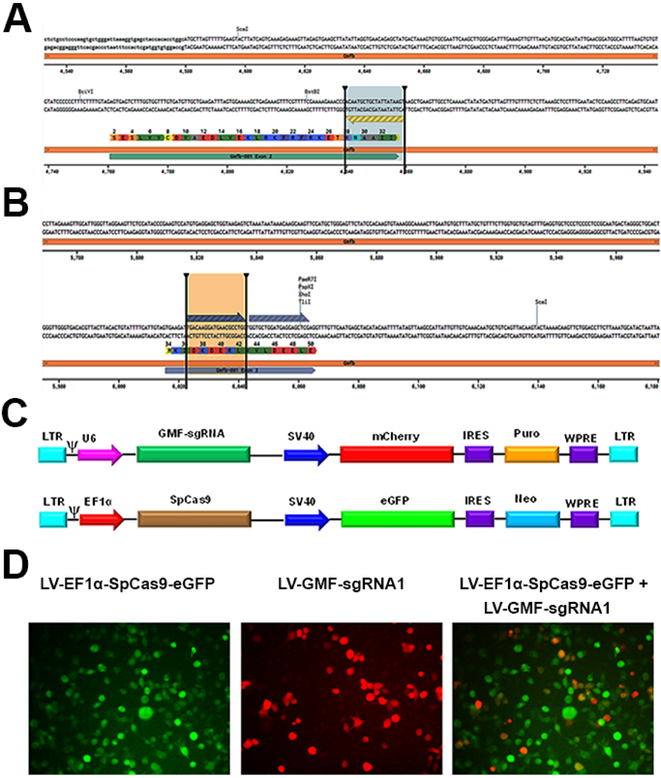
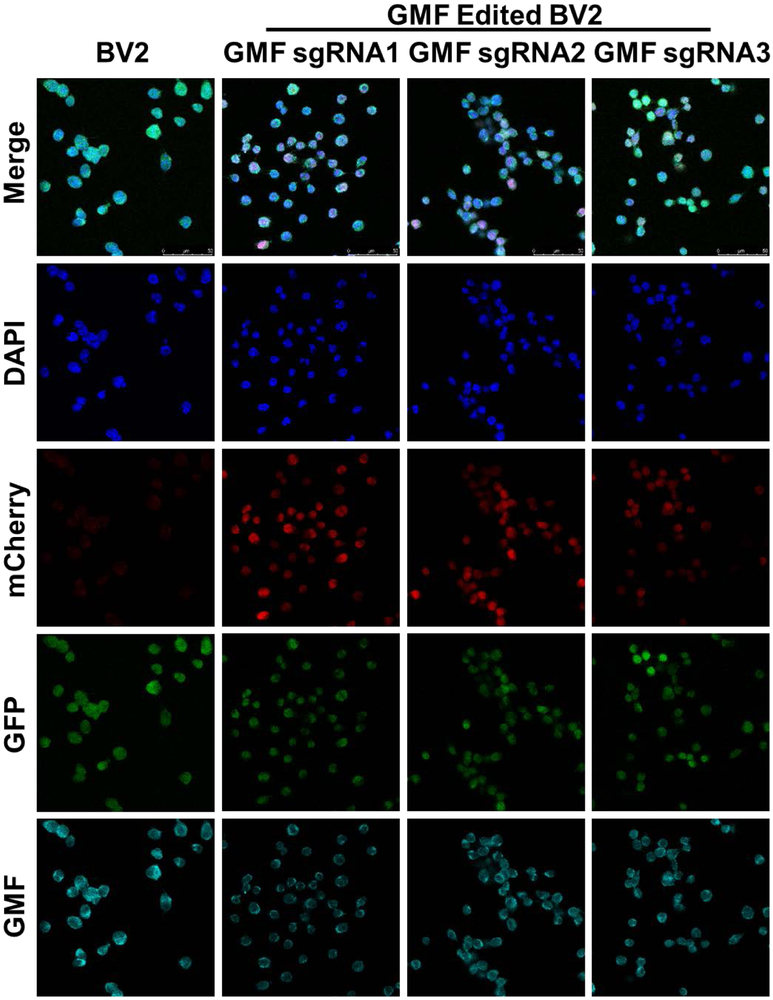
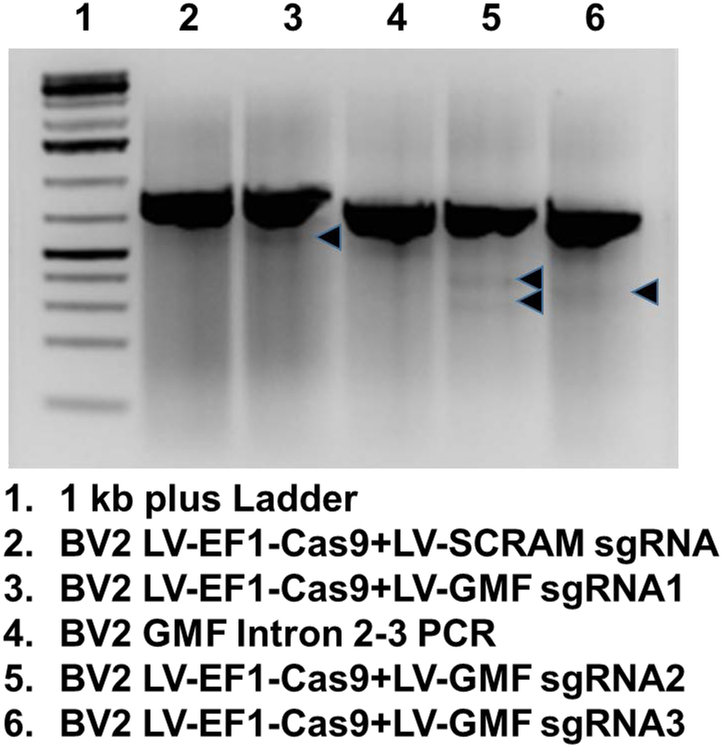
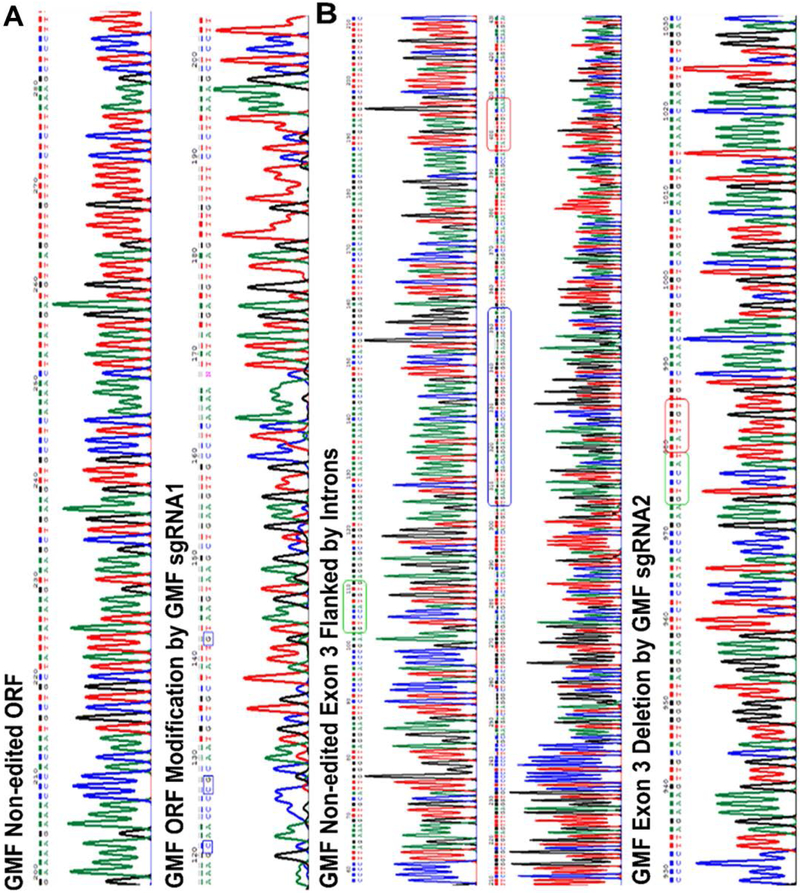
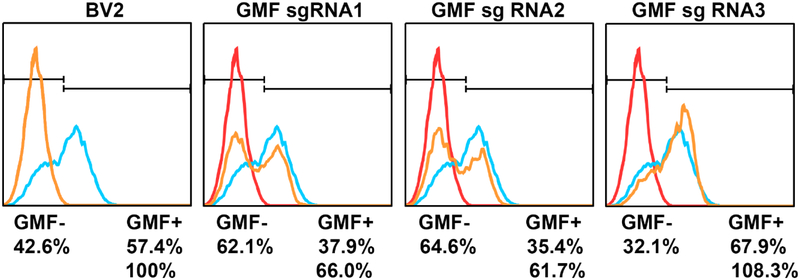
Alzheimer's disease (AD) is a devastating, progressive neurodegenerative disorder that leads to severe cognitive impairment in elderly patients. Chronic neuroinflammation plays an important role in the AD pathogenesis. Glia maturation factor (GMF), a proinflammatory molecule discovered in our laboratory, is significantly upregulated in various regions of AD brains. We have previously reported that GMF is predominantly expressed in the reactive glial cells surrounding the amyloid plaques (APs) in the mouse and human AD brain. Microglia are the major source of proinflammatory cytokines and chemokines including GMF. Recently clustered regularly interspaced short palindromic repeats (CRISPR) based genome editing has been recognized to study the functions of genes that are implicated in various diseases. Here, we investigated if CRISPR-Cas9-mediated GMF gene editing leads to inhibition of GMF expression and suppression of microglial activation. Confocal microscopy of murine BV2 microglial cell line transduced with an adeno-associated virus (AAV) coexpressing Staphylococcus aureus (Sa) Cas9 and a GMF-specific guide RNA (GMF-sgRNA) revealed few cells expressing SaCas9 while lacking GMF expression, thereby confirming successful GMF gene editing. To further improve GMF gene editing efficiency, we developed lentiviral vectors (LVs) expressing either Streptococcus pyogenes (Sp) Cas9 or GMF-sgRNAs. BV2 cells cotransduced with LVs expressing SpCas9 and GMF-sgRNAs revealed reduced GMF expression and the presence of indels in the exons 2 and 3 of the GMF coding sequence. Lipopolysaccharide (LPS) treatment of GMF-edited cells led to reduced microglial activation as shown by reduced p38 MAPK phosphorylation. We believe that targeted in vivo GMF gene editing has a significant potential for developing a unique and novel AD therapy.
阿尔茨海默病(AD)是一种破坏性的、进行性的神经退行性疾病,会导致老年患者严重的认知障碍。慢性神经炎症在 AD 的发病机制中起着重要作用。胶质细胞成熟因子(GMF)是我们实验室发现的一种促炎分子,在 AD 大脑的不同区域显著上调。我们之前的研究表明,GMF主要在小鼠和人类 AD 大脑中围绕淀粉样斑块(AP)的反应性神经胶质细胞中表达。小胶质细胞是包括 GMF 在内的促炎细胞因子和趋化因子的主要来源。最近,基于成簇规则间隔短回文重复(CRISPR)的基因组编辑已被用于研究与各种疾病相关的基因的功能。在这里,我们研究了 CRISPR-Cas9 介导的 GMF 基因编辑是否会导致 GMF 表达抑制和小胶质细胞激活抑制。共转导腺相关病毒(AAV)表达金黄色葡萄球菌(Sa)Cas9和 GMF 特异性指导 RNA(GMF-sgRNA)的小鼠 BV2 小胶质细胞系的共聚焦显微镜显示,很少有细胞表达 SaCas9 而缺乏 GMF 表达,从而证实了 GMF 基因编辑的成功。为了进一步提高 GMF 基因编辑效率,我们开发了表达链球菌(Sp)Cas9或 GMF-sgRNA 的慢病毒载体(LVs)。BV2 细胞共转导表达 SpCas9 和 GMF-sgRNA 的 LVs 显示 GMF 表达降低,GMF 编码序列的外显子 2 和 3 中存在插入缺失。GMF 编辑细胞的脂多糖(LPS)处理导致小胶质细胞激活减少,如 p38 MAPK 磷酸化减少所示。我们相信,靶向体内 GMF 基因编辑在开发独特的新型 AD 治疗方法方面具有巨大潜力。