Gao Jian, Sasse Joelle, Lewald Kyle M, Zhalnina Kateryna, Cornmesser Lloyd T, Duncombe Todd A, Yoshikuni Yasuo, Vogel John P, Firestone Mary K, Northen Trent R
Environmental Genomics and Systems Biology Division, Lawrence Berkeley National Laboratory; Joint Genome Institute, Department of Energy.
Joint BioEnergy Institute.
J Vis Exp. 2018 Apr 10(134):57170. doi: 10.3791/57170.
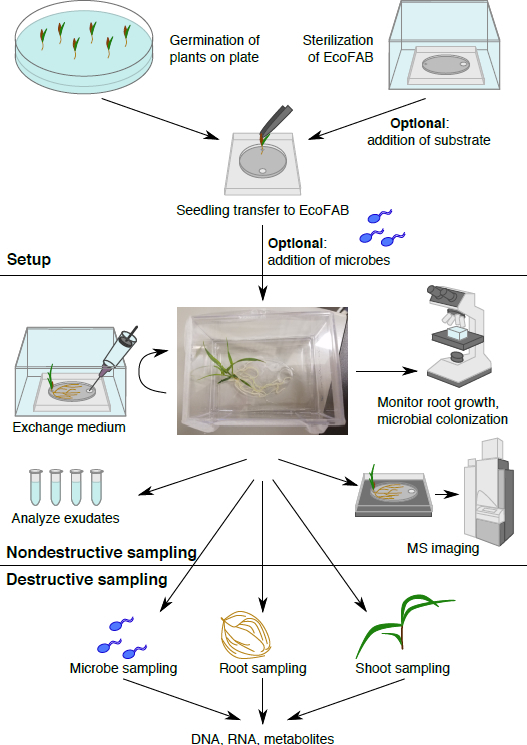
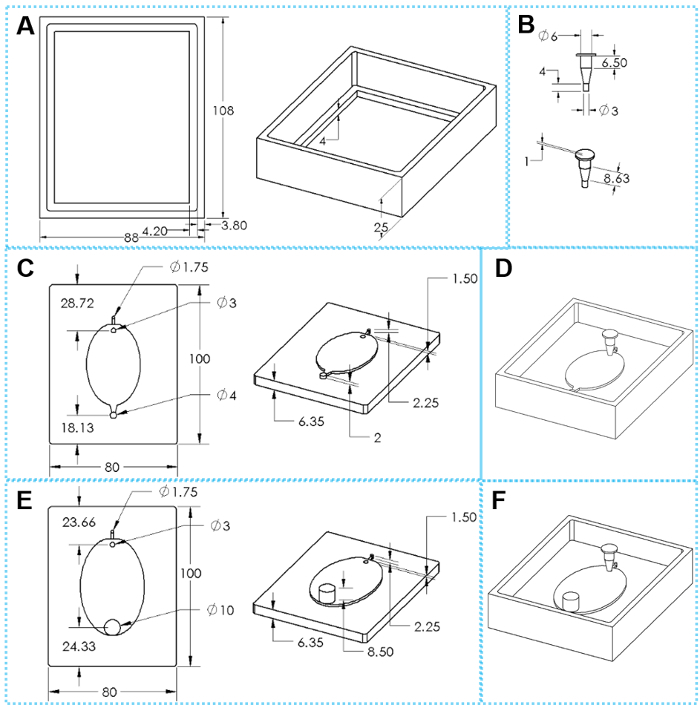
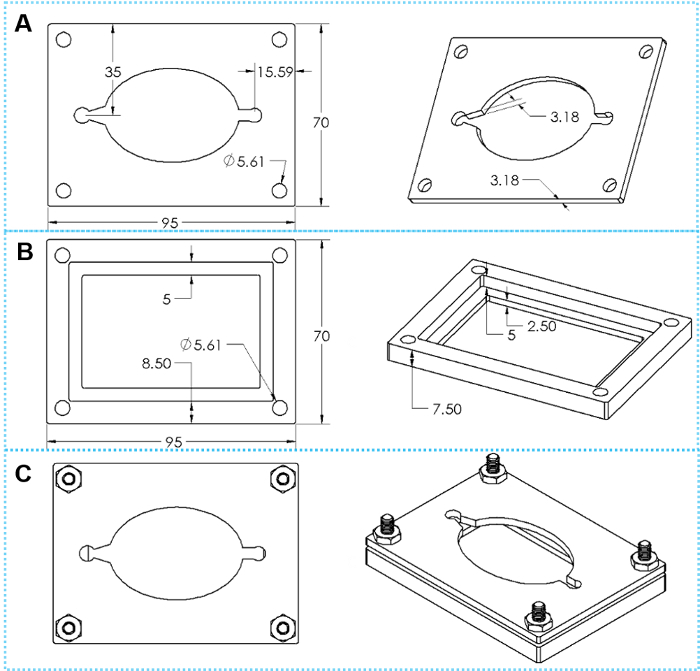
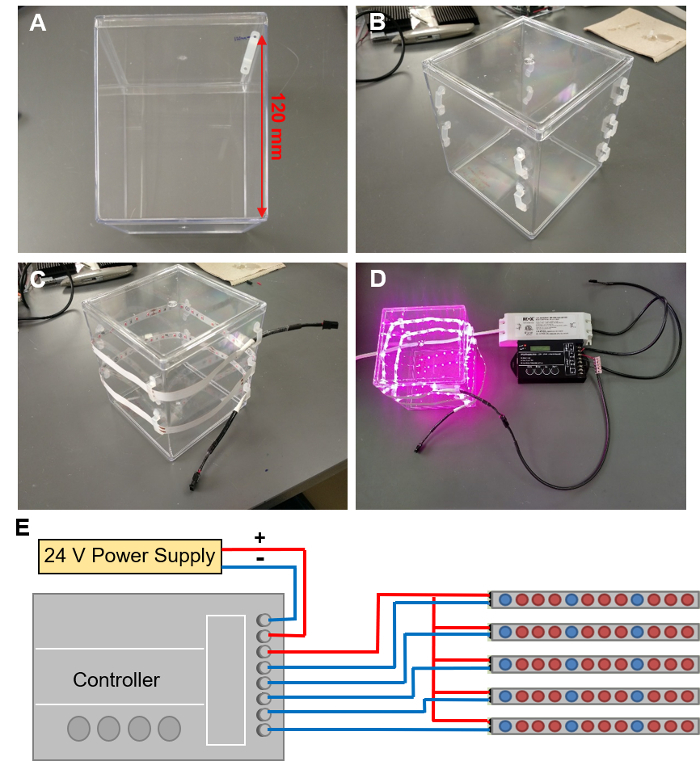
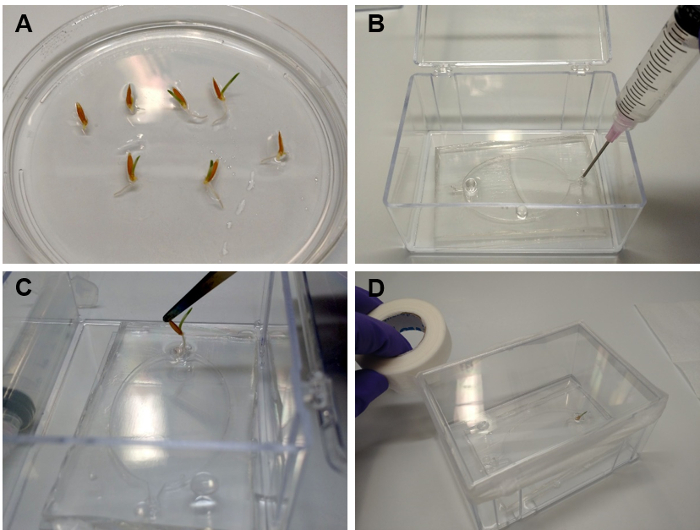
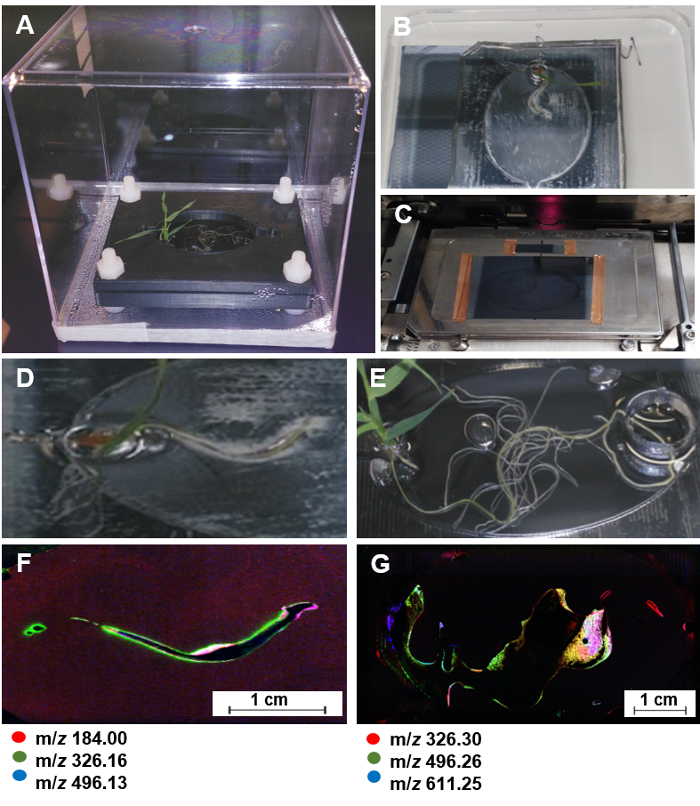
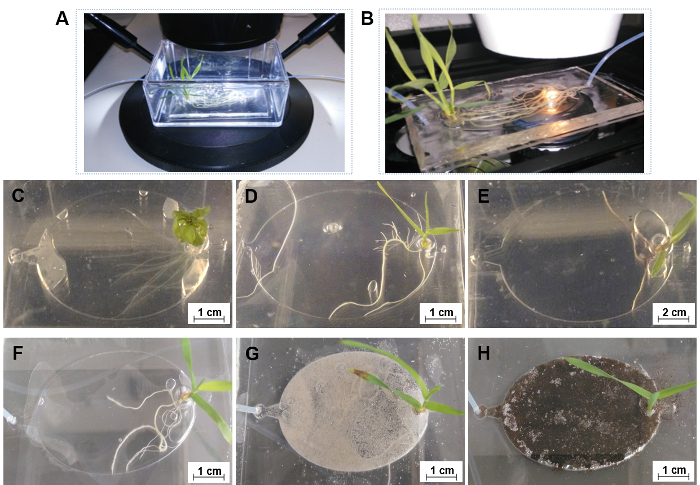
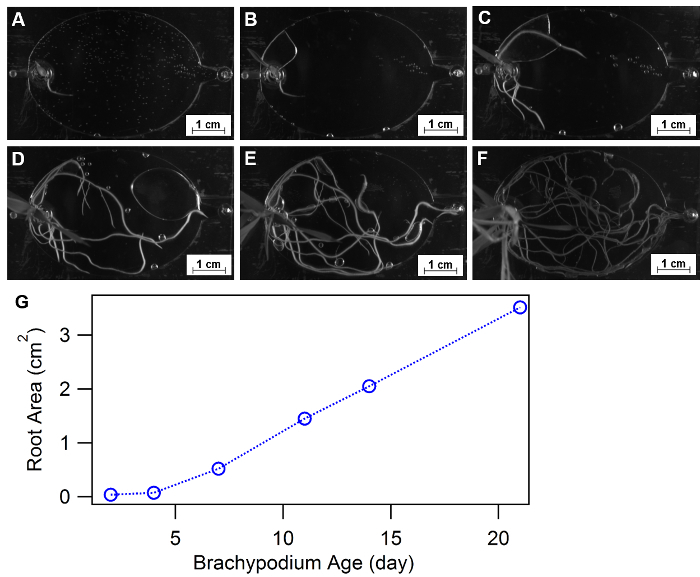
Beneficial plant-microbe interactions offer a sustainable biological solution with the potential to boost low-input food and bioenergy production. A better mechanistic understanding of these complex plant-microbe interactions will be crucial to improving plant production as well as performing basic ecological studies investigating plant-soil-microbe interactions. Here, a detailed description for ecosystem fabrication is presented, using widely available 3D printing technologies, to create controlled laboratory habitats (EcoFABs) for mechanistic studies of plant-microbe interactions within specific environmental conditions. Two sizes of EcoFABs are described that are suited for the investigation of microbial interactions with various plant species, including Arabidopsis thaliana, Brachypodium distachyon, and Panicum virgatum. These flow-through devices allow for controlled manipulation and sampling of root microbiomes, root chemistry as well as imaging of root morphology and microbial localization. This protocol includes the details for maintaining sterile conditions inside EcoFABs and mounting independent LED light systems onto EcoFABs. Detailed methods for addition of different forms of media, including soils, sand, and liquid growth media coupled to the characterization of these systems using imaging and metabolomics are described. Together, these systems enable dynamic and detailed investigation of plant and plant-microbial consortia including the manipulation of microbiome composition (including mutants), the monitoring of plant growth, root morphology, exudate composition, and microbial localization under controlled environmental conditions. We anticipate that these detailed protocols will serve as an important starting point for other researchers, ideally helping create standardized experimental systems for investigating plant-microbe interactions.
有益的植物-微生物相互作用提供了一种可持续的生物学解决方案,具有提高低投入粮食和生物能源产量的潜力。更好地从机制上理解这些复杂的植物-微生物相互作用对于提高植物产量以及开展研究植物-土壤-微生物相互作用的基础生态学研究至关重要。在此,本文介绍了一种利用广泛可用的3D打印技术进行生态系统构建的详细方法,以创建可控的实验室生境(生态微宇宙),用于在特定环境条件下对植物-微生物相互作用进行机制研究。文中描述了两种尺寸的生态微宇宙,它们适用于研究微生物与各种植物物种的相互作用,包括拟南芥、短柄草和柳枝稷。这些流通式装置允许对根际微生物群、根系化学物质进行可控操作和采样,以及对根系形态和微生物定位进行成像。本方案包括在生态微宇宙内部维持无菌条件以及将独立的LED照明系统安装到生态微宇宙上的详细方法。文中还描述了添加不同形式培养基(包括土壤、沙子和液体生长培养基)的详细方法,以及使用成像和代谢组学对这些系统进行表征的方法。总之,这些系统能够对植物和植物-微生物群落进行动态和详细的研究,包括对微生物群落组成(包括突变体)的操控、对植物生长、根系形态、分泌物组成和微生物定位在可控环境条件下的监测。我们预计这些详细的方案将成为其他研究人员的重要起点,理想情况下有助于创建用于研究植物-微生物相互作用的标准化实验系统。